Piano Works
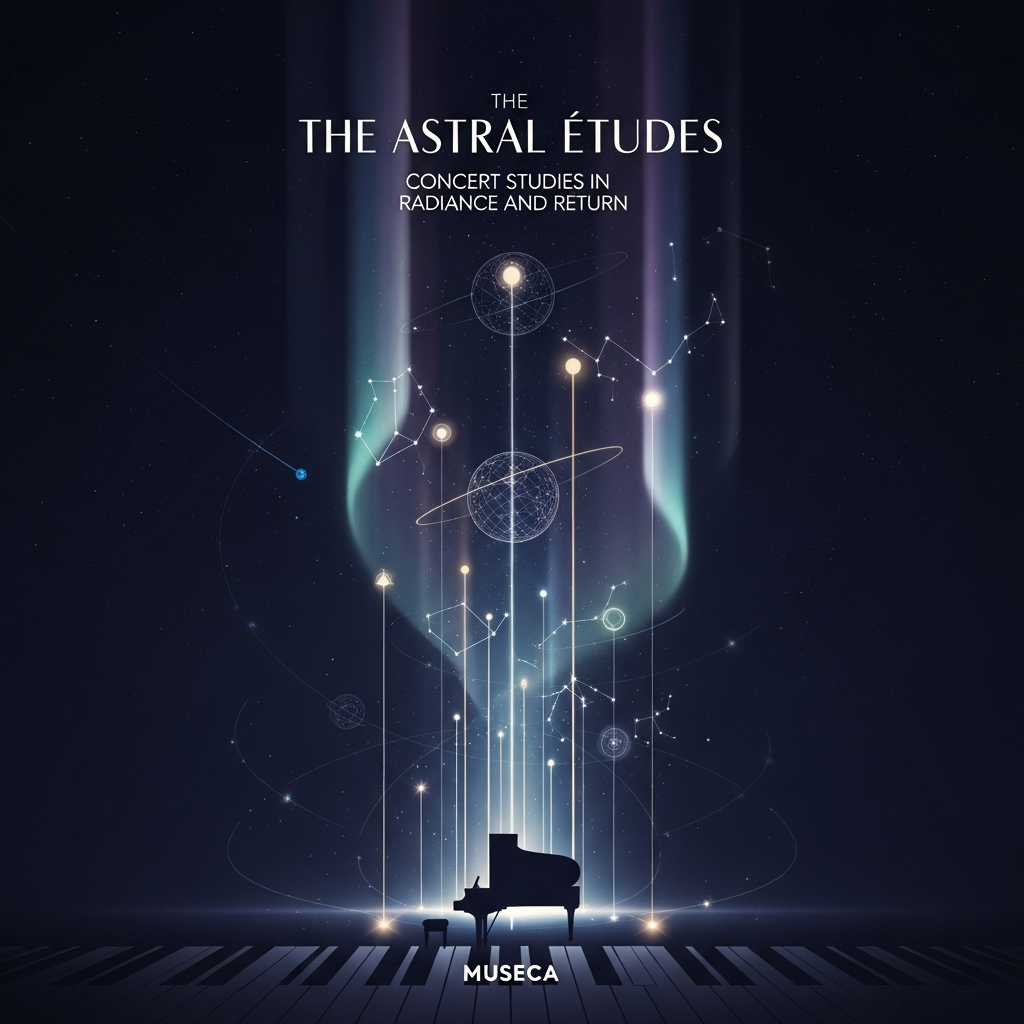
The Astral Etudes
Sixteen piano études conceived less as technical showpieces than as guided crossings — miniature rituals where technique becomes a vehicle for inner perception.
Form, color, and expression
Modern Classical Studies presents contemporary works shaped by traditional European craft—melodic architecture, harmony, counterpoint, and orchestral sensibility. These albums are focused, compositional, and rooted in the classical lineage while speaking in a modern voice.
78 titles Nine sections Freely shared

Browse by section
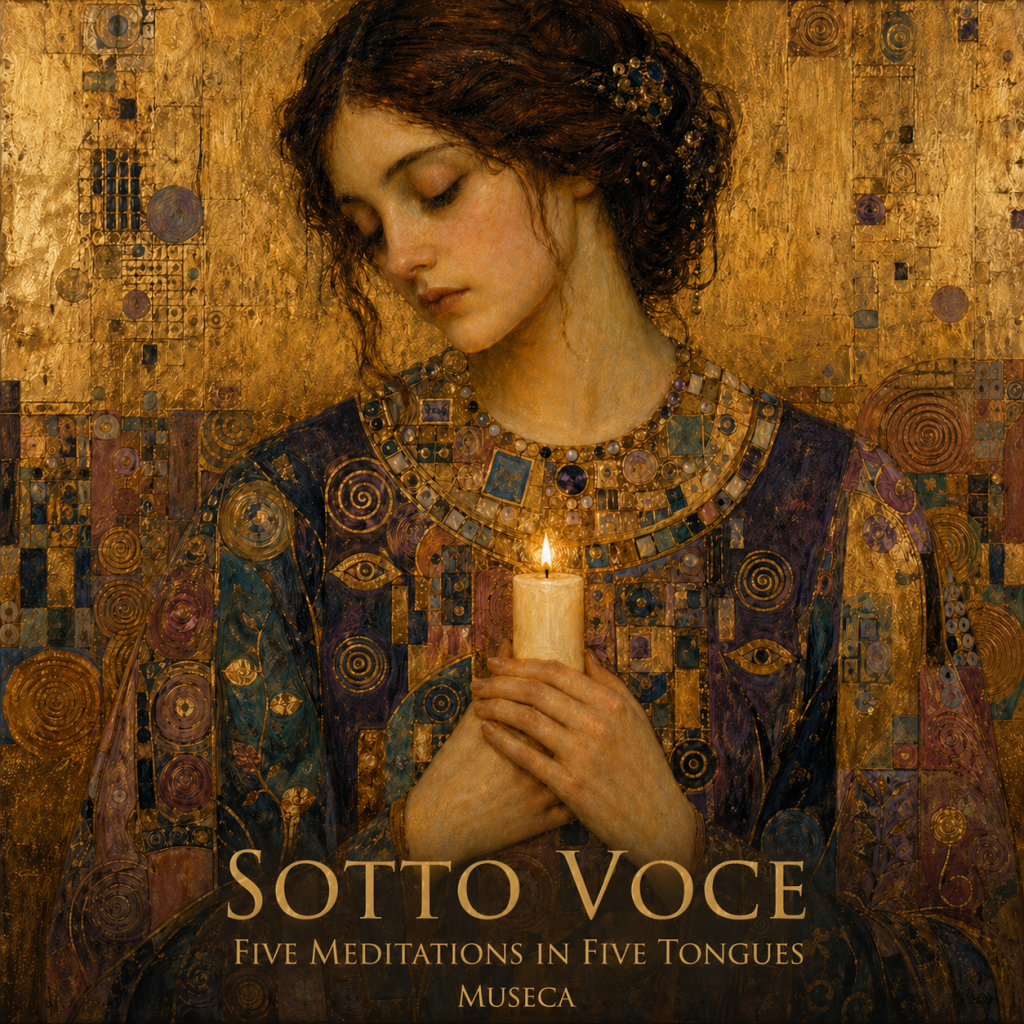
Sotto voce is an instruction written on classical scores: under the voice. The Sotto Voce Series treats it as a compositional discipline rather than a dynamic marking — every phrase shaped by the constraint that nothing may rise above an intimate murmur. Each volume gives the paradox to a single language, treated as a temperament rather than a translation, following it to the room where that tongue already keeps its quiet. Nine albums, one held breath: presence without volume.
A composer’s signature is the set of musical behaviors that belong to them alone — distinct from the genre they wrote in and the style of their period. The Signature Series extracts a single composer’s signature and builds an entire album from it in a modern genre far from their own. Each volume is a proof: the engine, without the costume.

Piano Works
Sixteen piano études conceived less as technical showpieces than as guided crossings — miniature rituals where technique becomes a vehicle for inner perception.

Piano Works
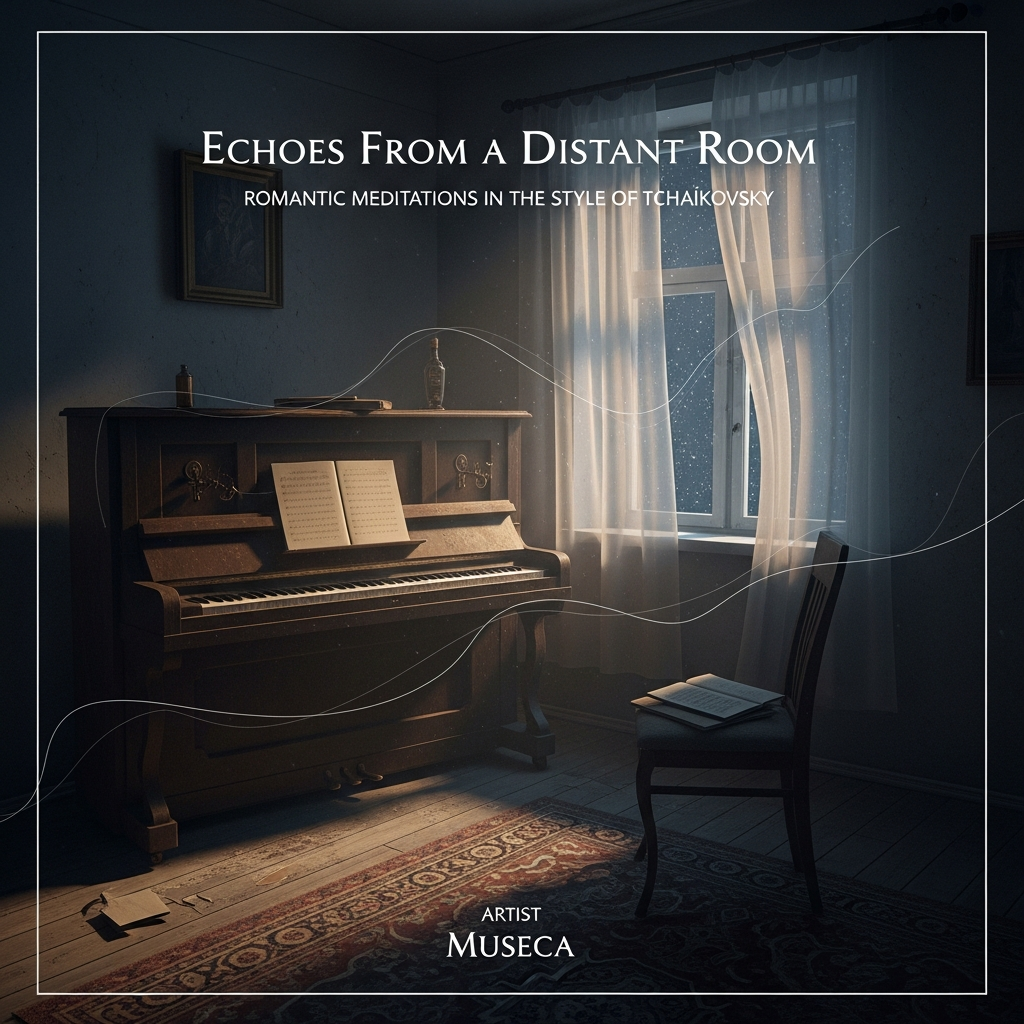
Thirteen piano pieces unified by the longing, lyricism, and quiet intensity of the Russian Romantic tradition.

Piano Works
A suite of original solo-piano works written in respectful conversation with the expressive world of Frédéric Chopin.

Piano Works
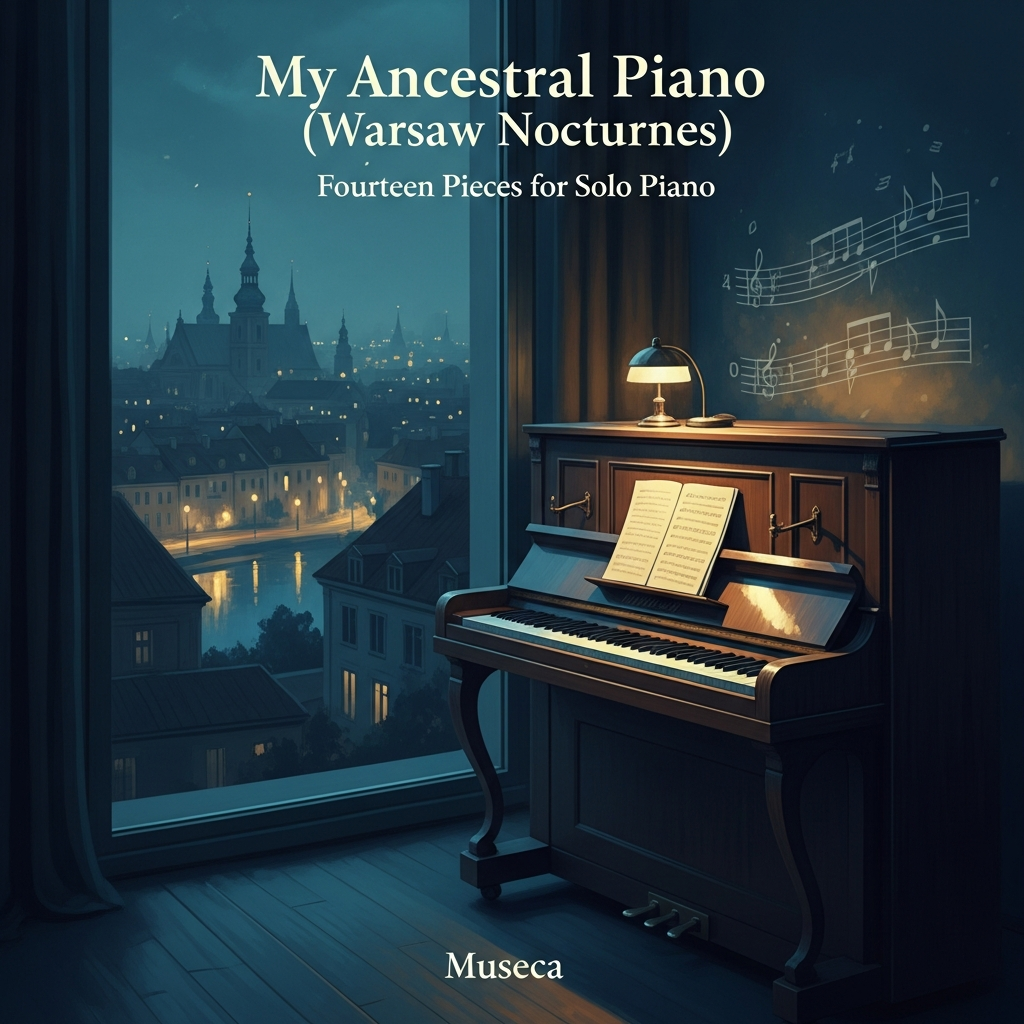
Fourteen piano nocturnes shaped as an intimate pilgrimage through memory, heritage, and the emotional landscape of Poland.

Piano Works
Seven piano preludes, each written in one of the seven diatonic modes — Ionian (clear, balanced), Dorian (reflective, noble), Phrygian (intimate tension, gravity), Lydian (luminous, lifted), Mixolydian (wistful brightness), Aeolian (deep melancholy), Locrian (suspended, unresolved).

Piano Works
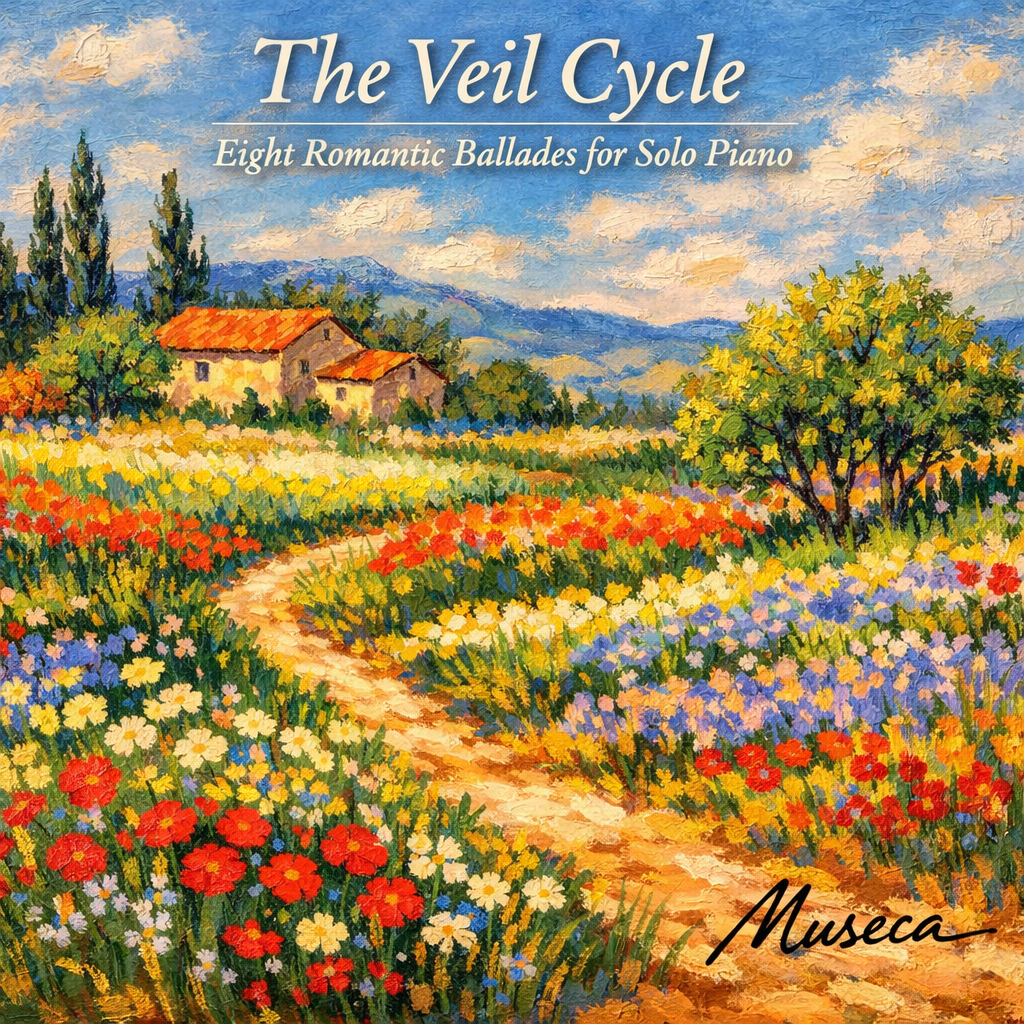
An eight-part homage to the Romantic piano ballade — music that tells a story without ever needing words.
Piano Works
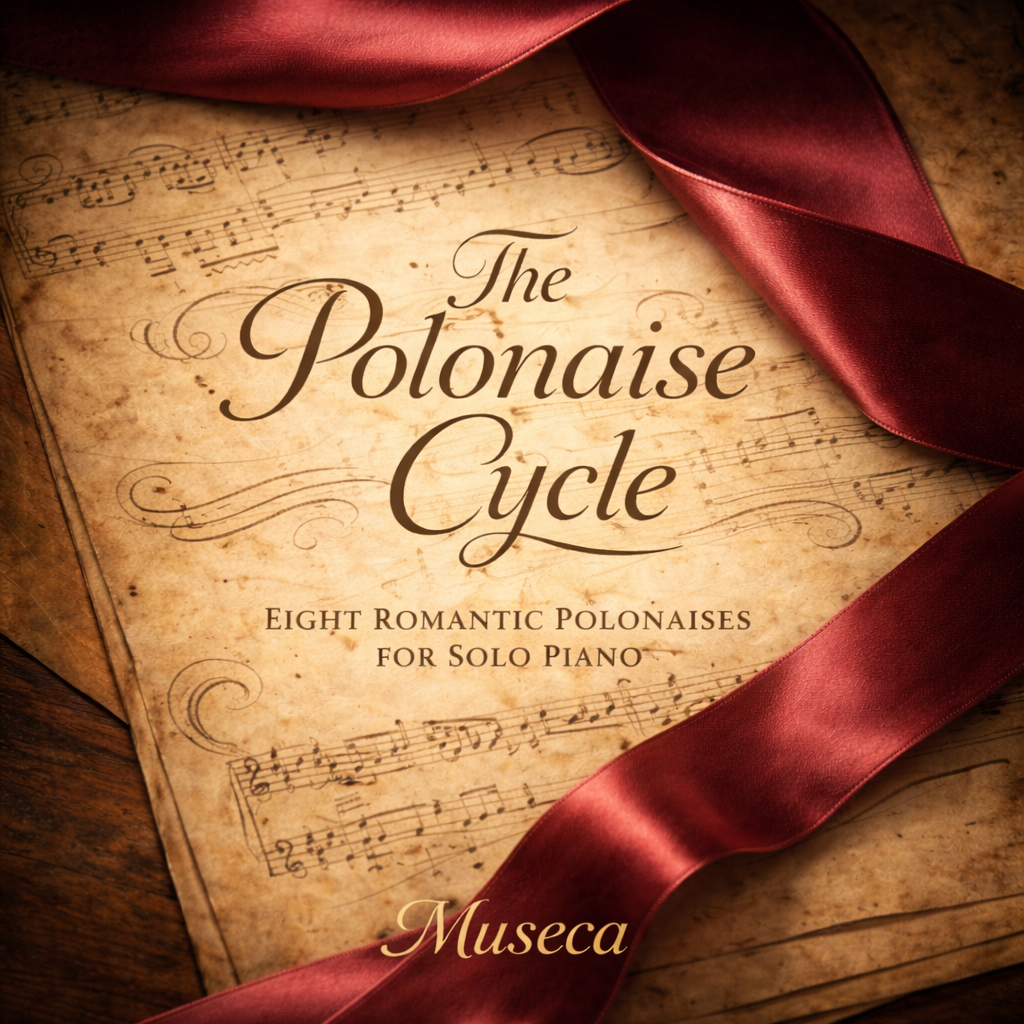
A unified journey through one of the piano’s most emblematic dance forms — reimagined not as detached miniatures but as a continuous narrative of character and transformation.
Piano Works
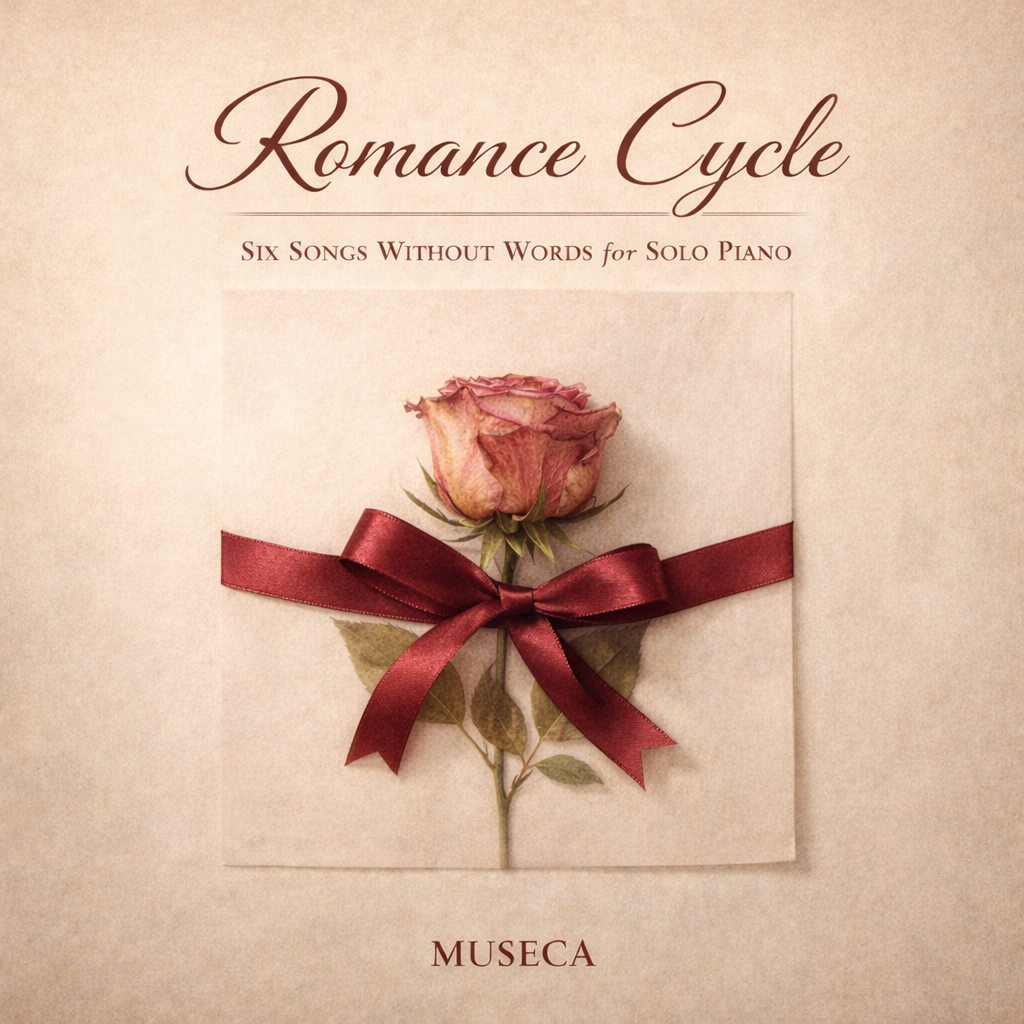
Lyrical miniatures written for the piano as a singing instrument — music that speaks plainly, intimately, without theatrical display.

Piano Works
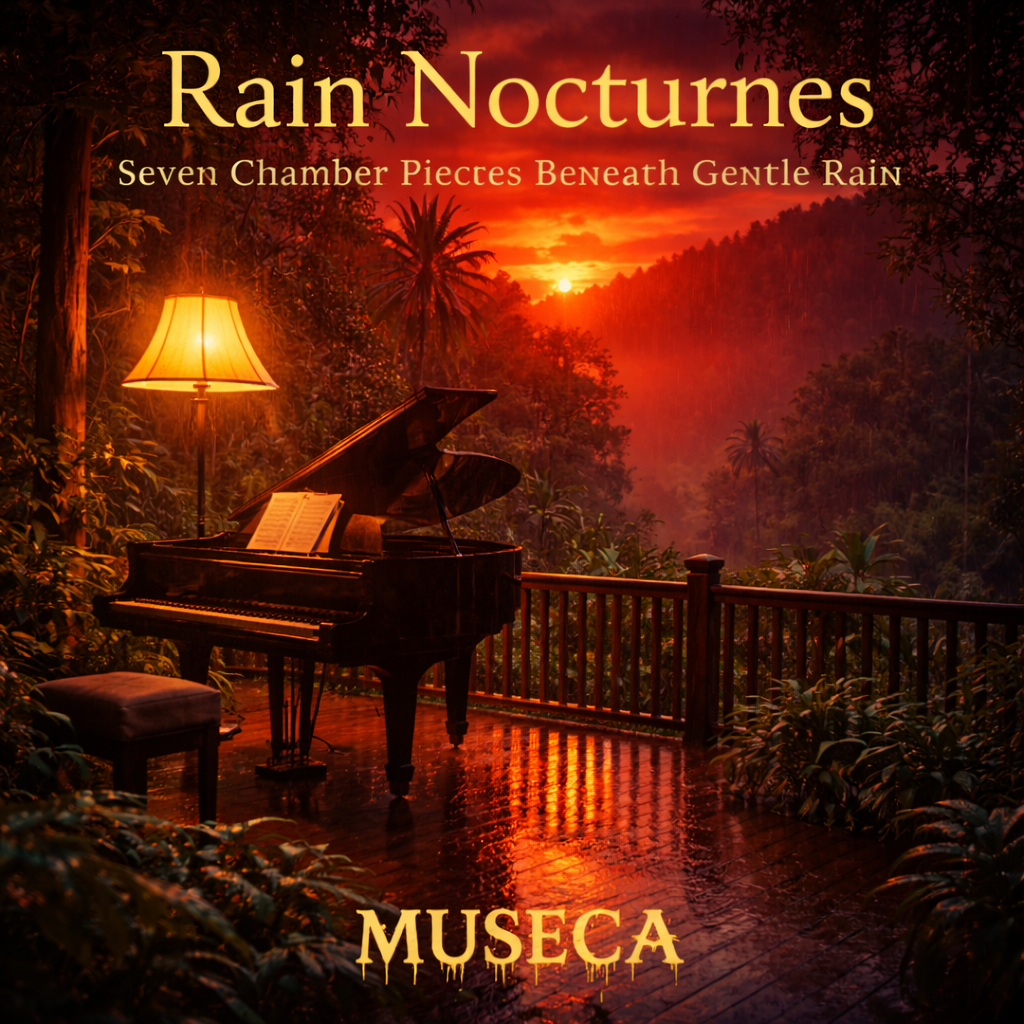
Eight nocturnes built around a single idea: gentle rain becomes part of the music itself — atmosphere, texture, pulse, and emotional space.

Strings, Chamber and Plucked Music
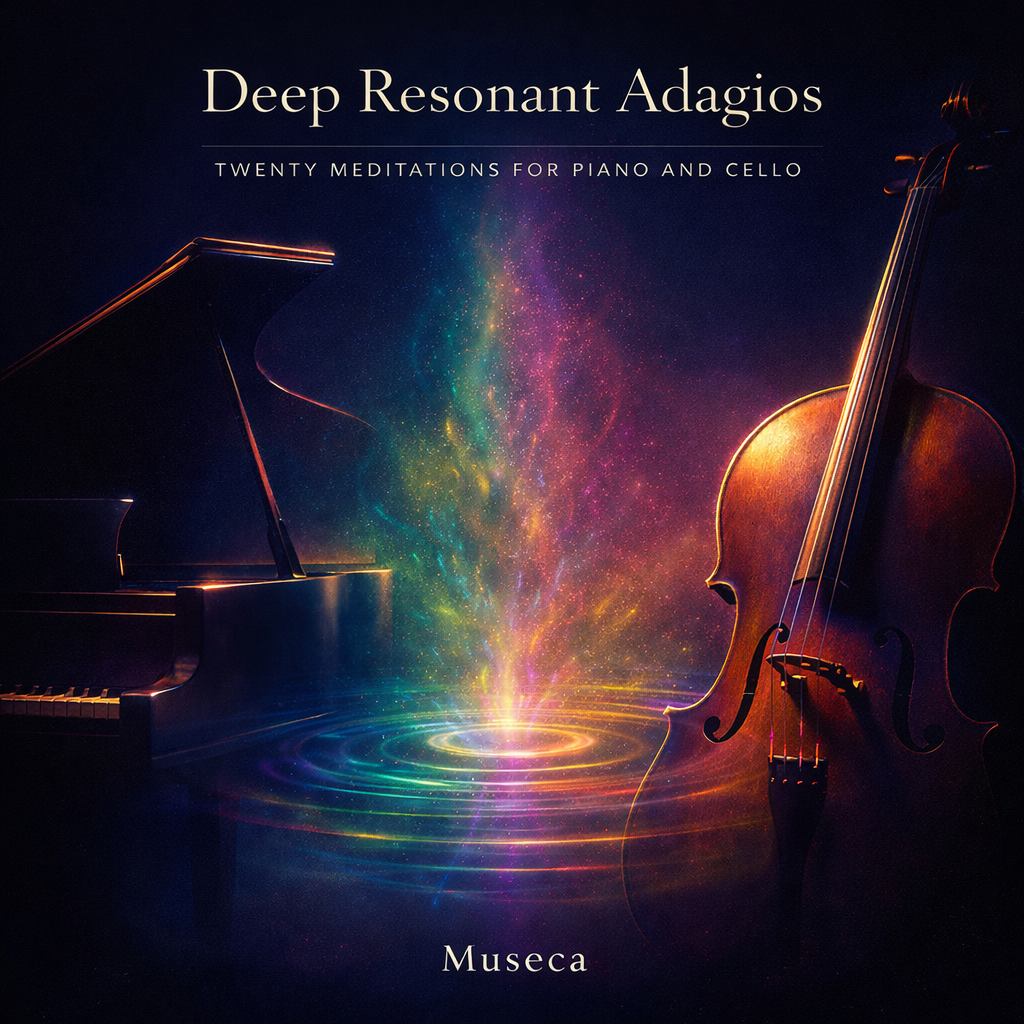
Built on one of classical music’s most intimate pairings. The piano offers architecture — harmony, space, gentle gravity.

Strings, Chamber and Plucked Music
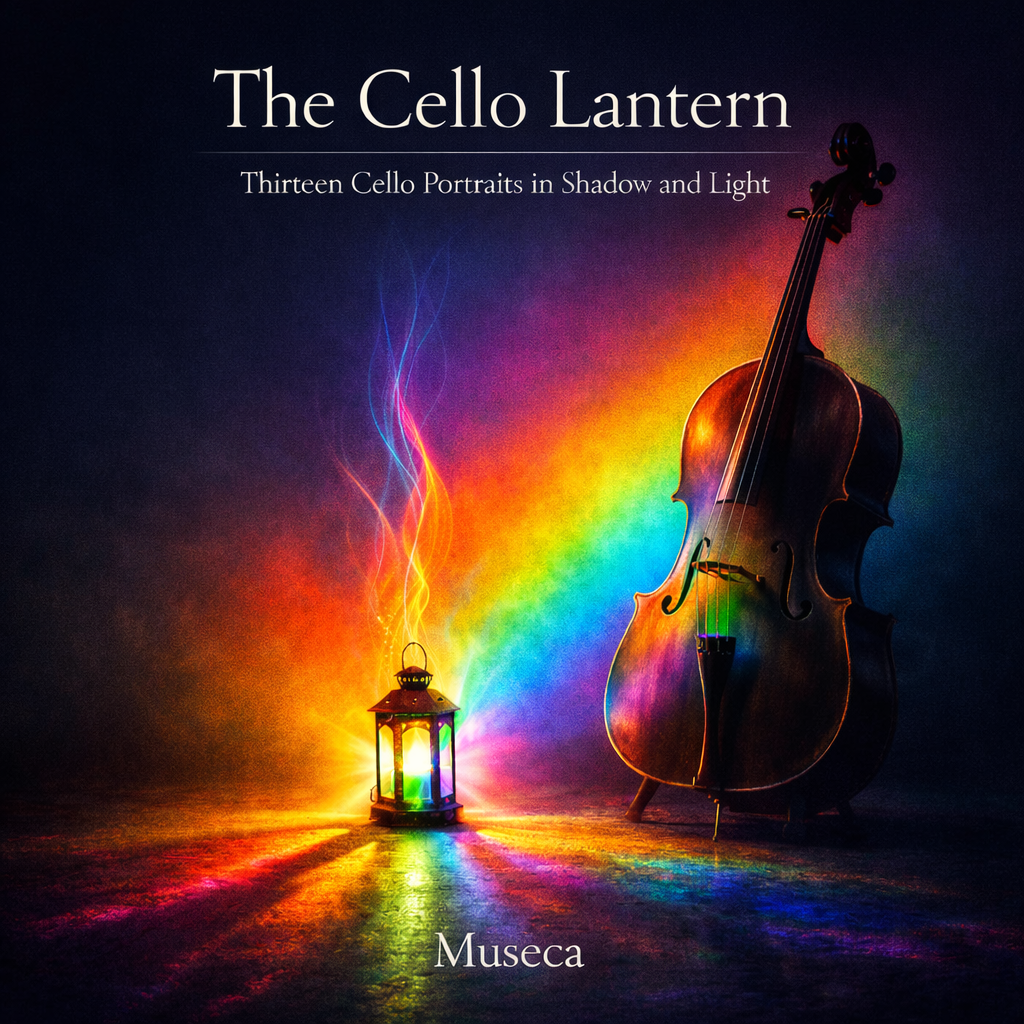
A single instrument explored as a whole world — warmth and shadow, breath and grain, intimacy and sweep.

Strings, Chamber and Plucked Music
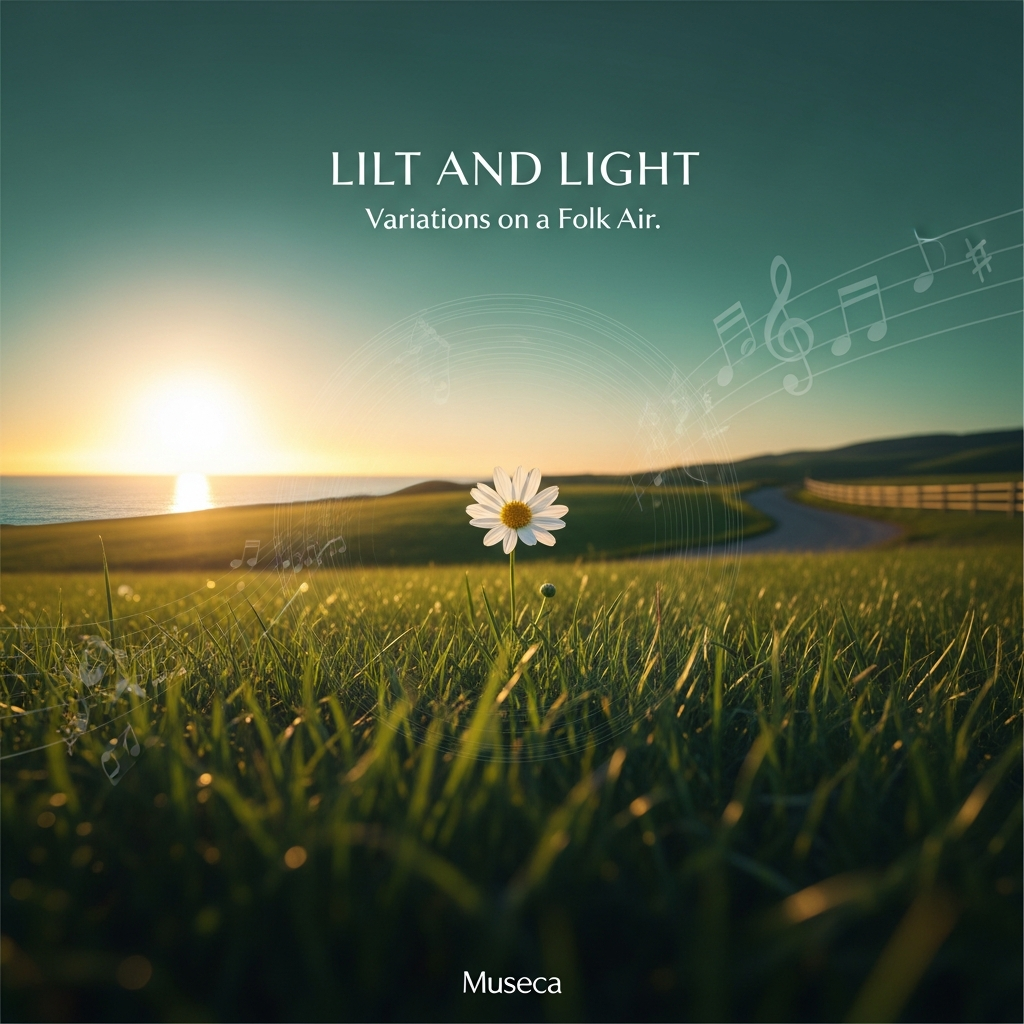
A variation suite built around an original folk air that evokes the Greensleeves lineage without quoting it — sixteen-bar A–A′ contour with light Dorian tint and a 6/8 lilt.

Strings, Chamber and Plucked Music
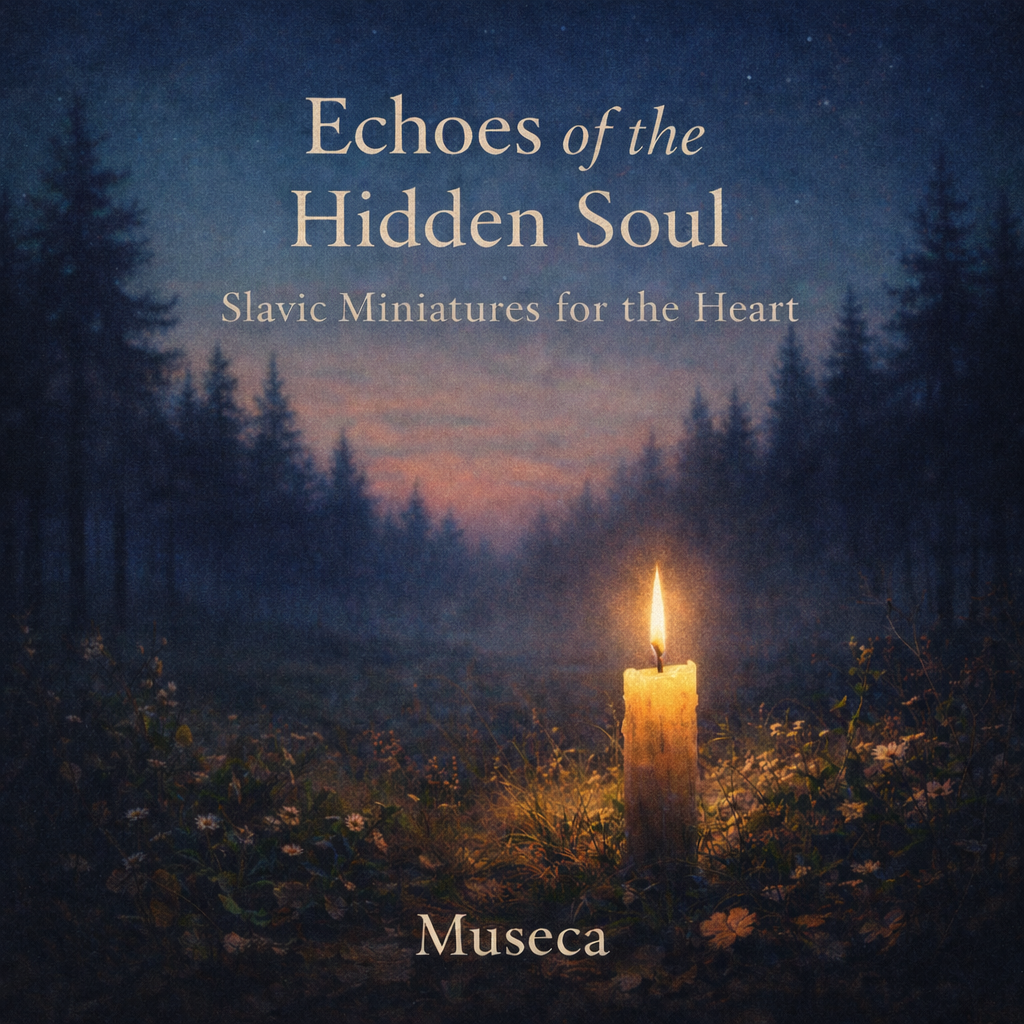
Music that speaks not from the stage, but from the soil — the spirit of Slavic lyricism, a language that transcends borders and centuries.

Strings, Chamber and Plucked Music
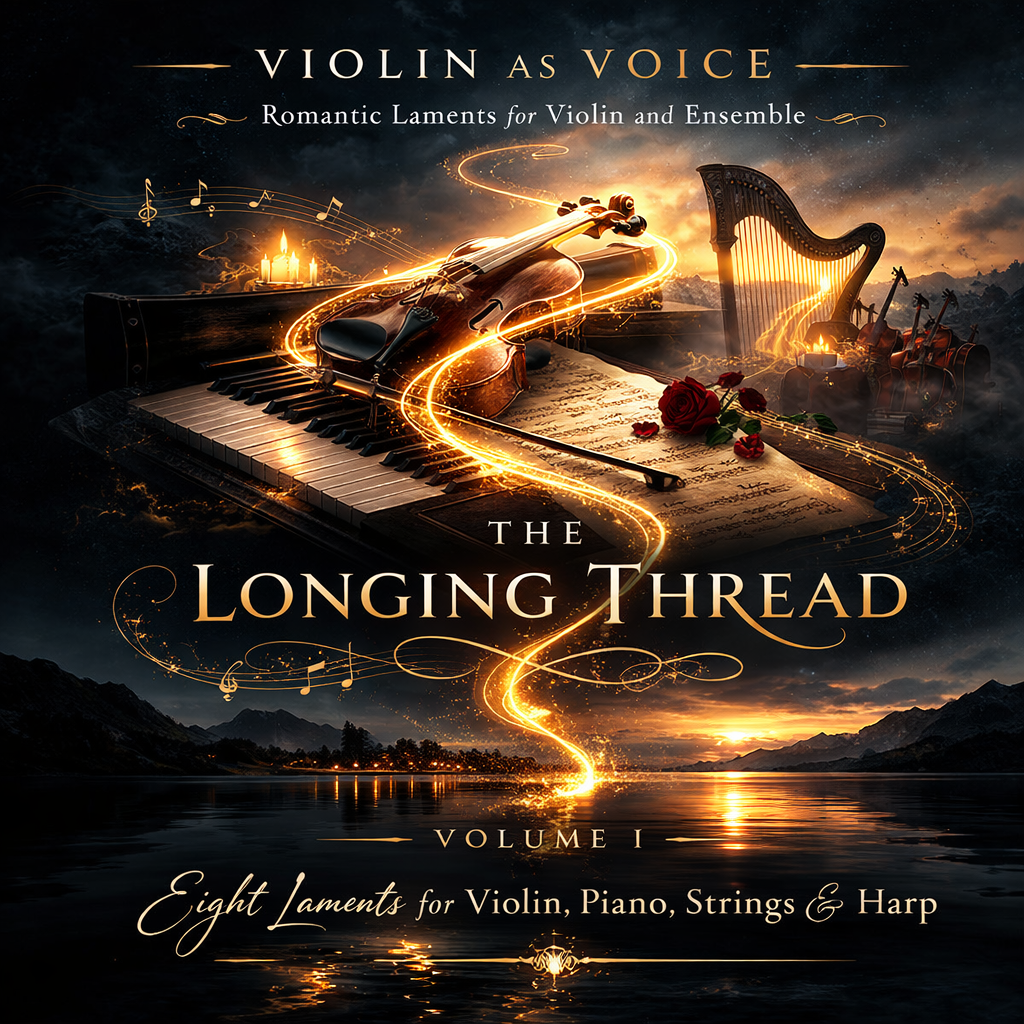
The opening volume of an explicit two-album study treating the violin as a singing voice rather than a virtuoso instrument.

Strings, Chamber and Plucked Music
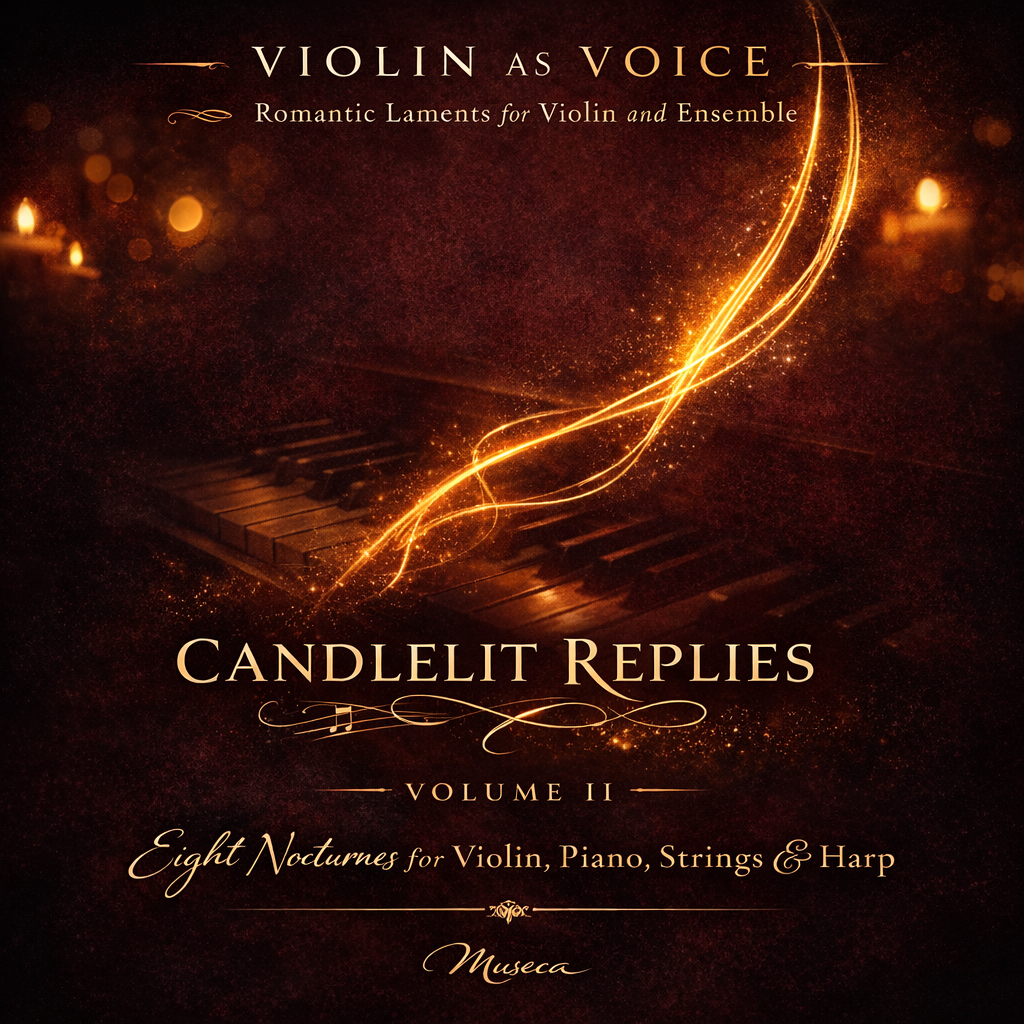
The companion volume to The Longing Thread — same compositional premise, opposite conversational position. Where Volume I sustained a single longing line, Volume II answers.

Strings, Chamber and Plucked Music
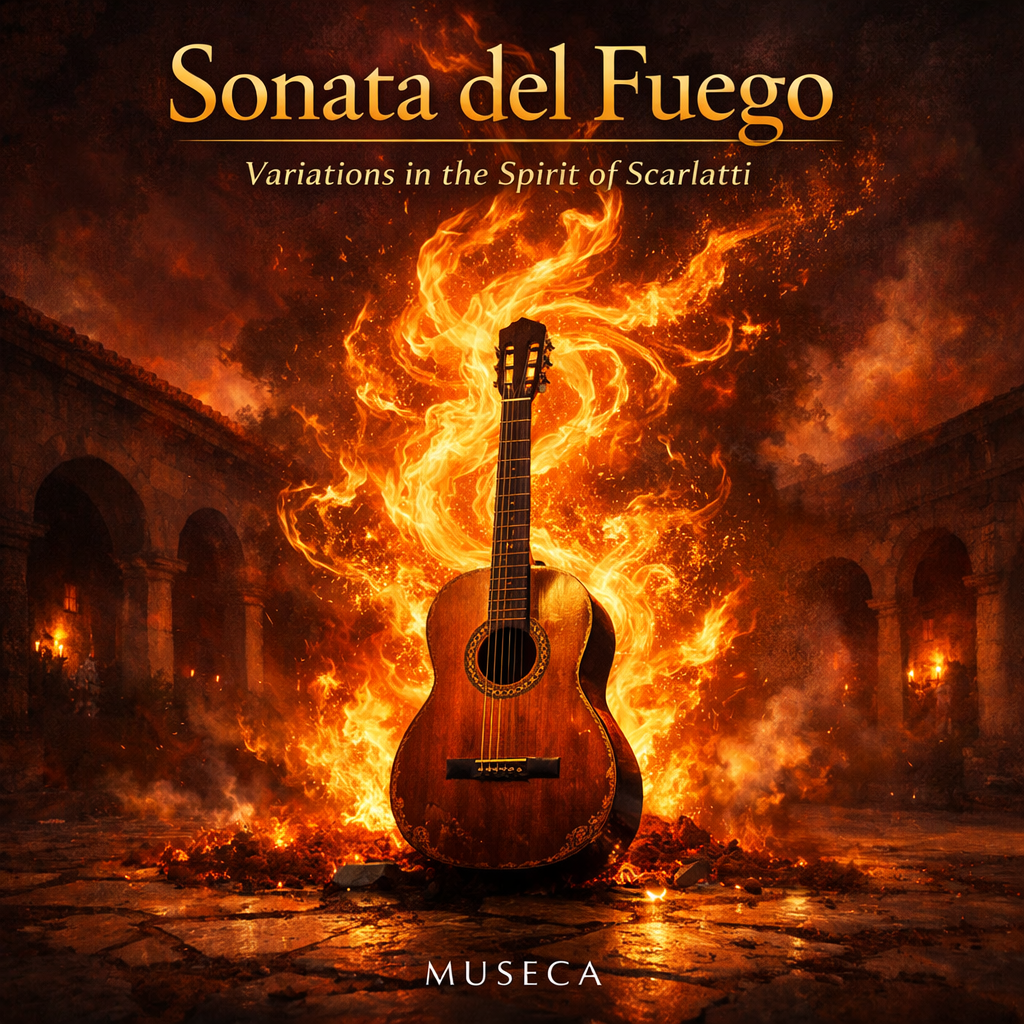
A suite of eleven variations forged in fire, inspired by the blazing keyboard sonatas of Domenico Scarlatti and reborn through the voice of modern classical guitar.

Strings, Chamber and Plucked Music
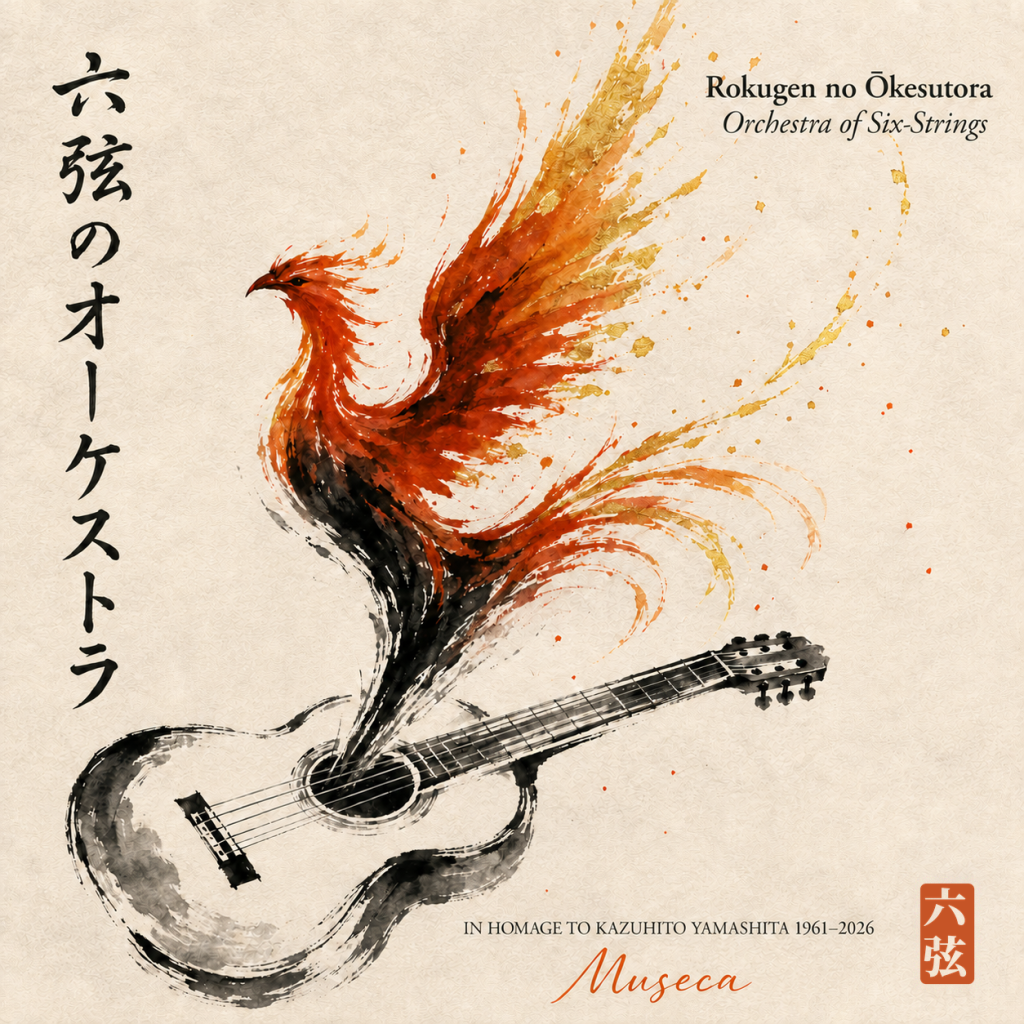
Kazuhito Yamashita spent his life proving that six strings could hold an orchestra — Mussorgsky’s gallery, Stravinsky’s firebird, Bach’s still devotions, all carried by one pair of hands.

Strings, Chamber and Plucked Music
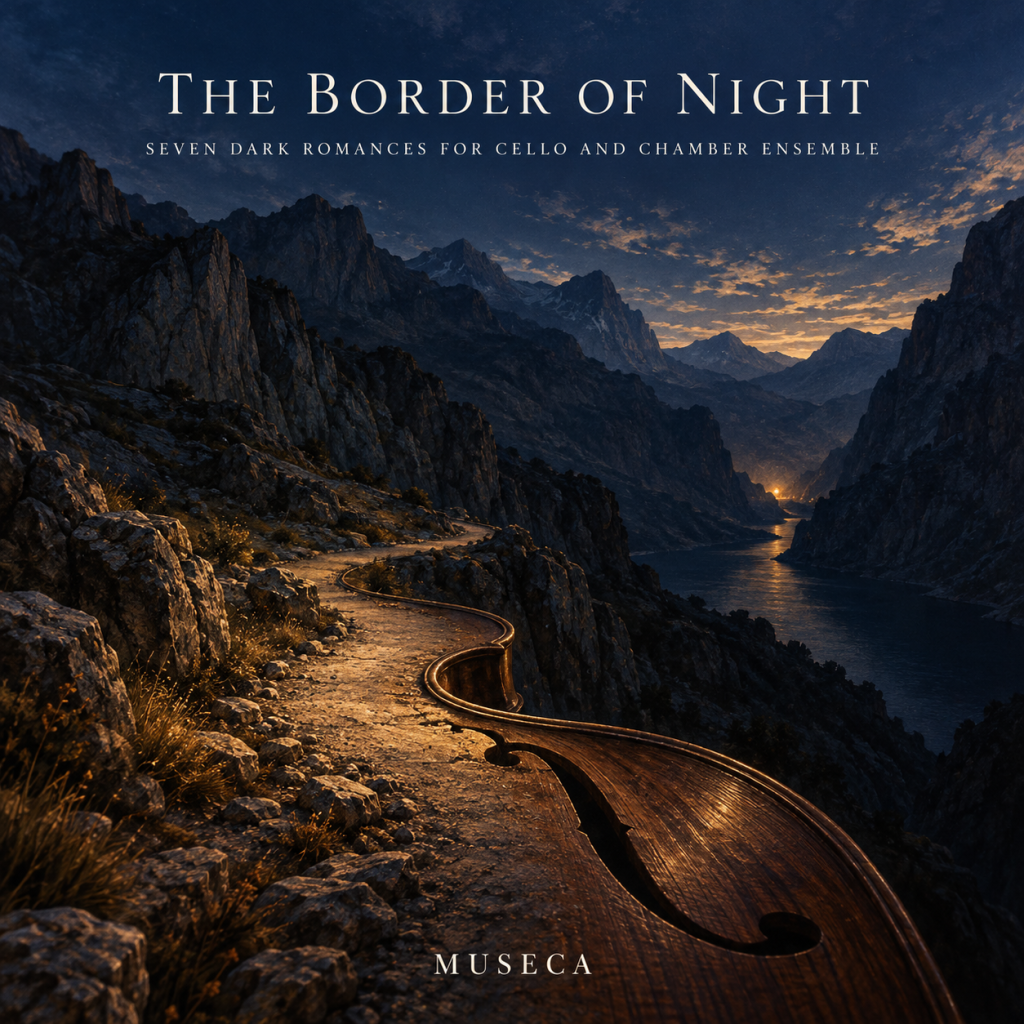
The Border of Night follows a cello through an imagined landscape of dark roads, distant lights and uncertain crossings.

Strings, Chamber and Plucked Music
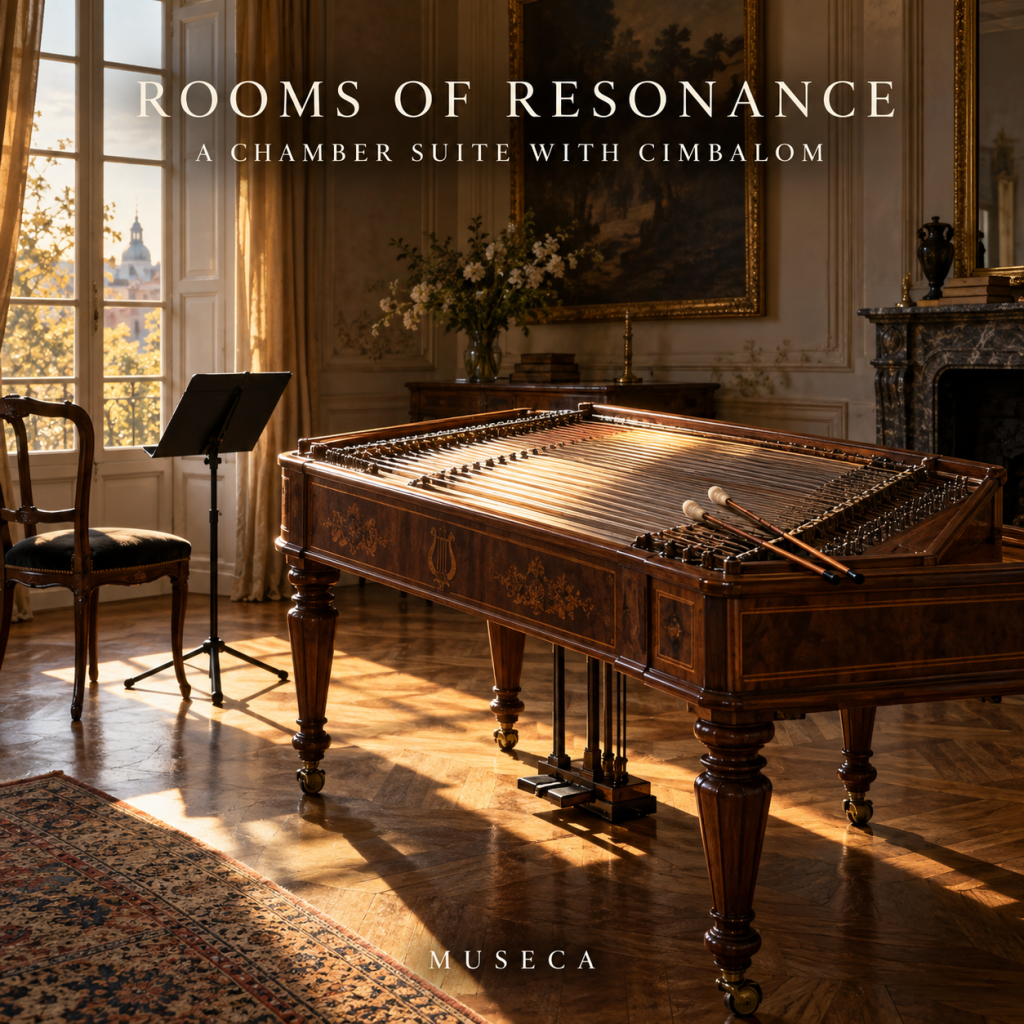
In Rooms of Resonance, the Hungarian concert cimbalom leads an intimate chamber ensemble through eight connected pieces.

Strings, Chamber and Plucked Music
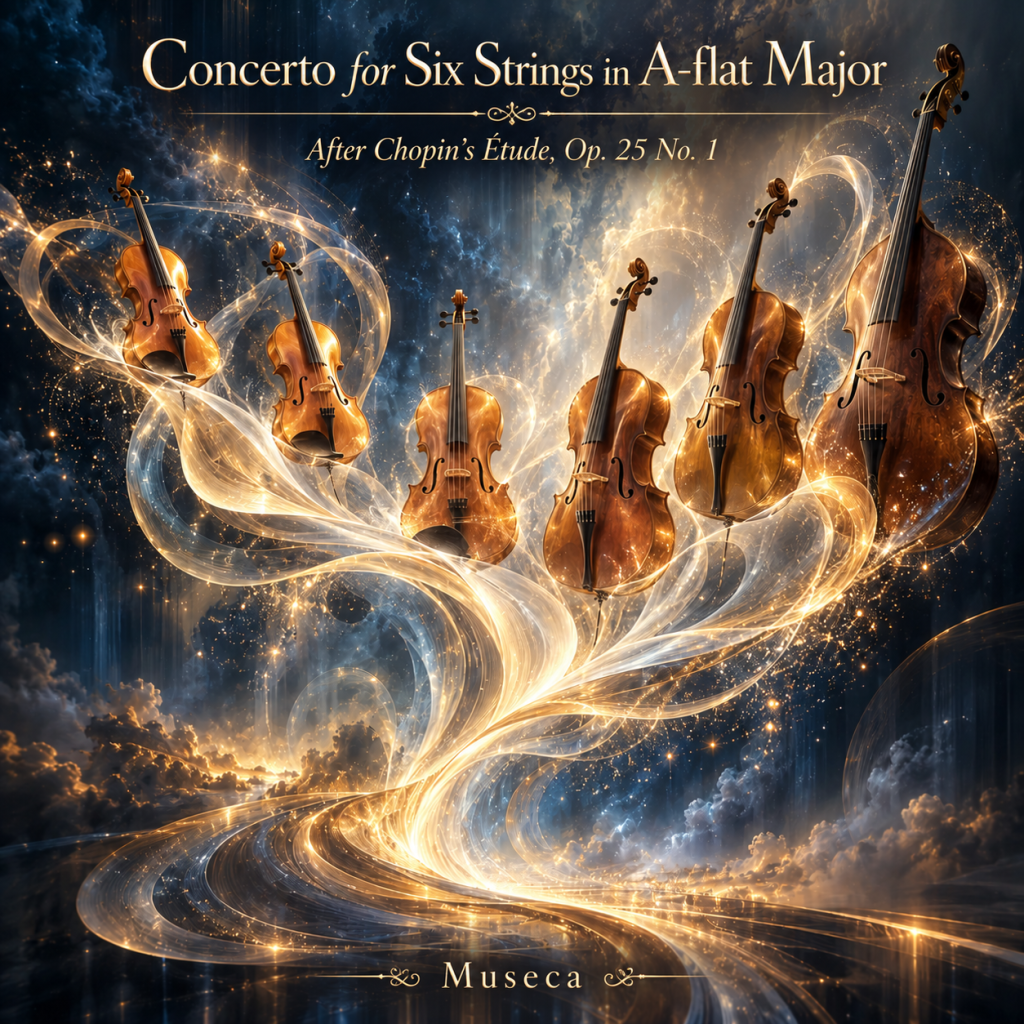
Born from a reimagining of Chopin’s Étude in A-flat Major, Op. 25 No. 1, Concerto for Six Strings in A-flat Major expands a single flowing idea into a four-movement journey of virtuosity, introspection, dance, and resolution.

Harp & Luminous Strings
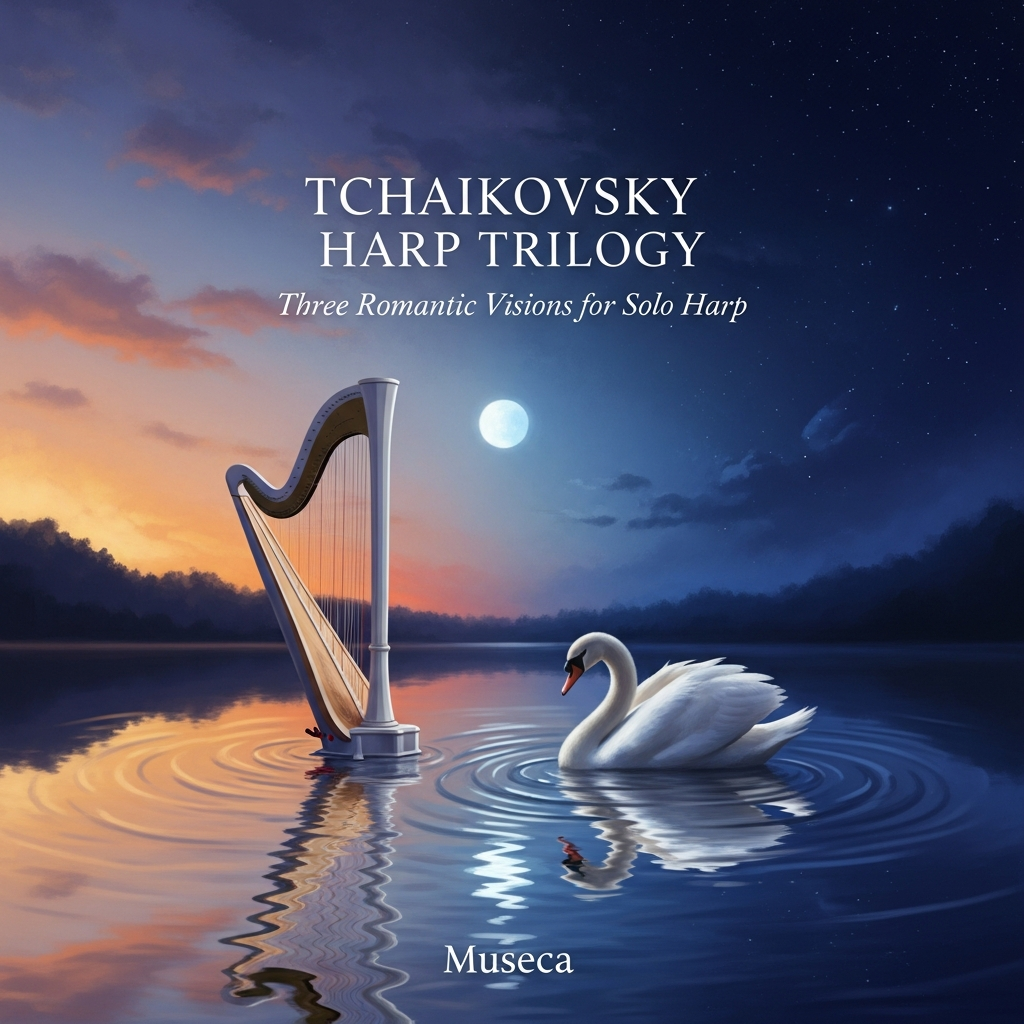
The harp was Tchaikovsky’s confidant — the instrument he used when words failed him.

Harp & Luminous Strings
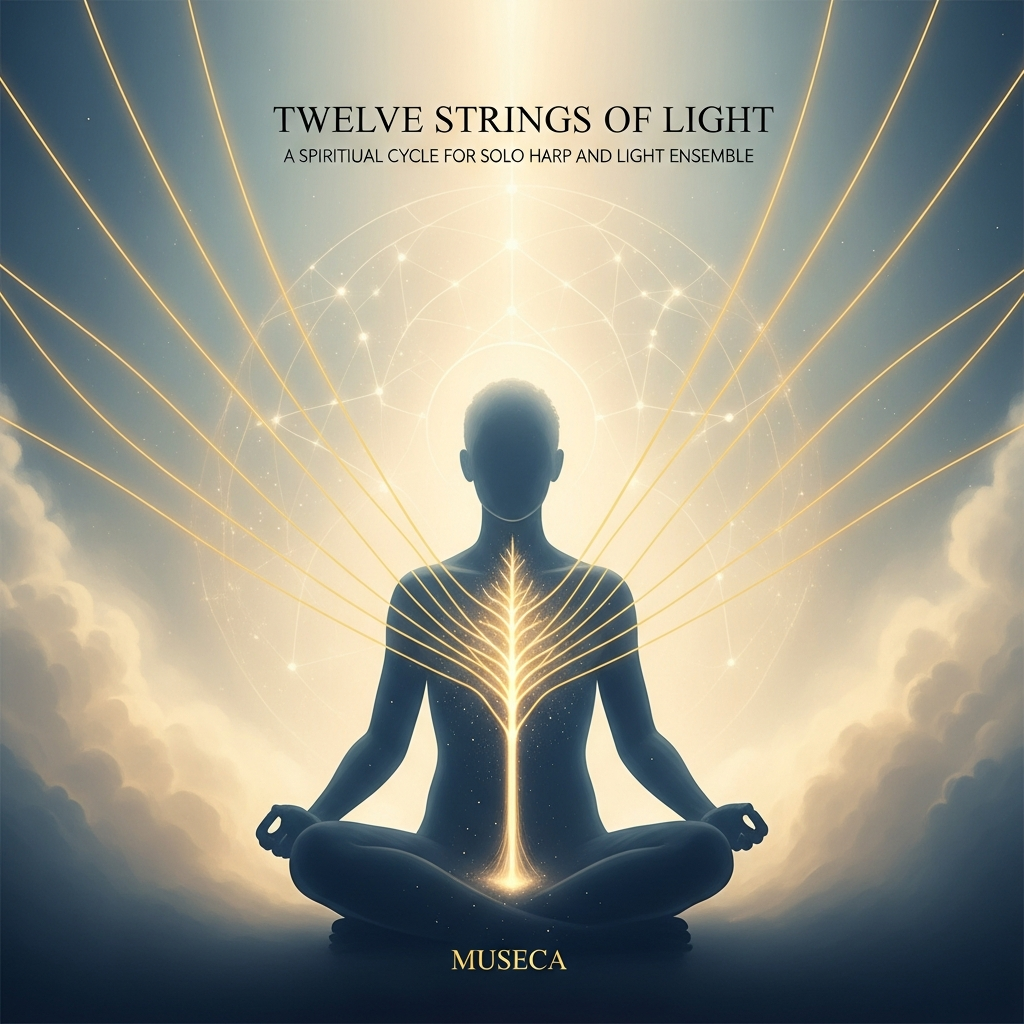
A cycle of inner movements mapped not by distance but by depth. Twelve spiritual states — from awakening to ascension — captured in sound as if plucked from an invisible thread running through the soul.

Orchestral & Concertante
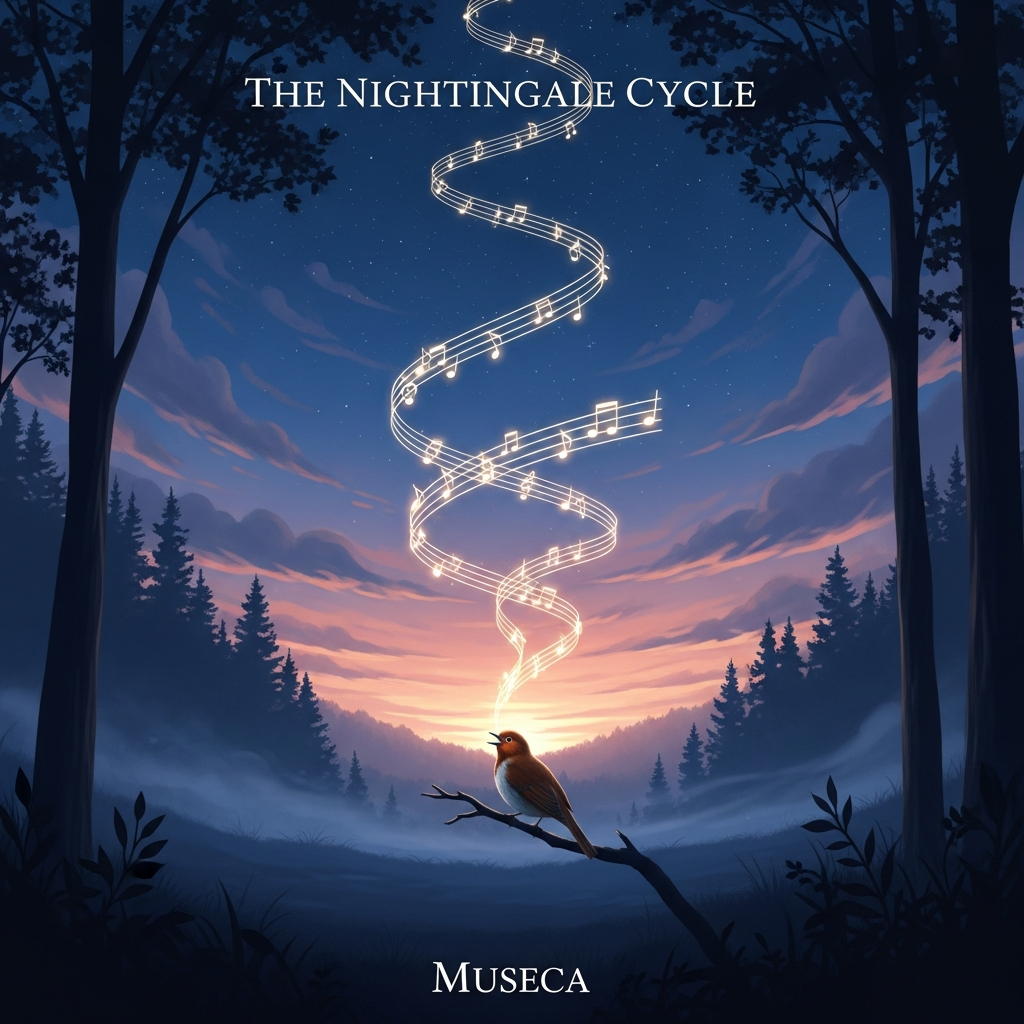
A five-part meditation on one of nature’s most celebrated voices — the nightingale, heard not merely as a bird but as a symbol of longing, beauty, memory, and transcendence.

Orchestral & Concertante
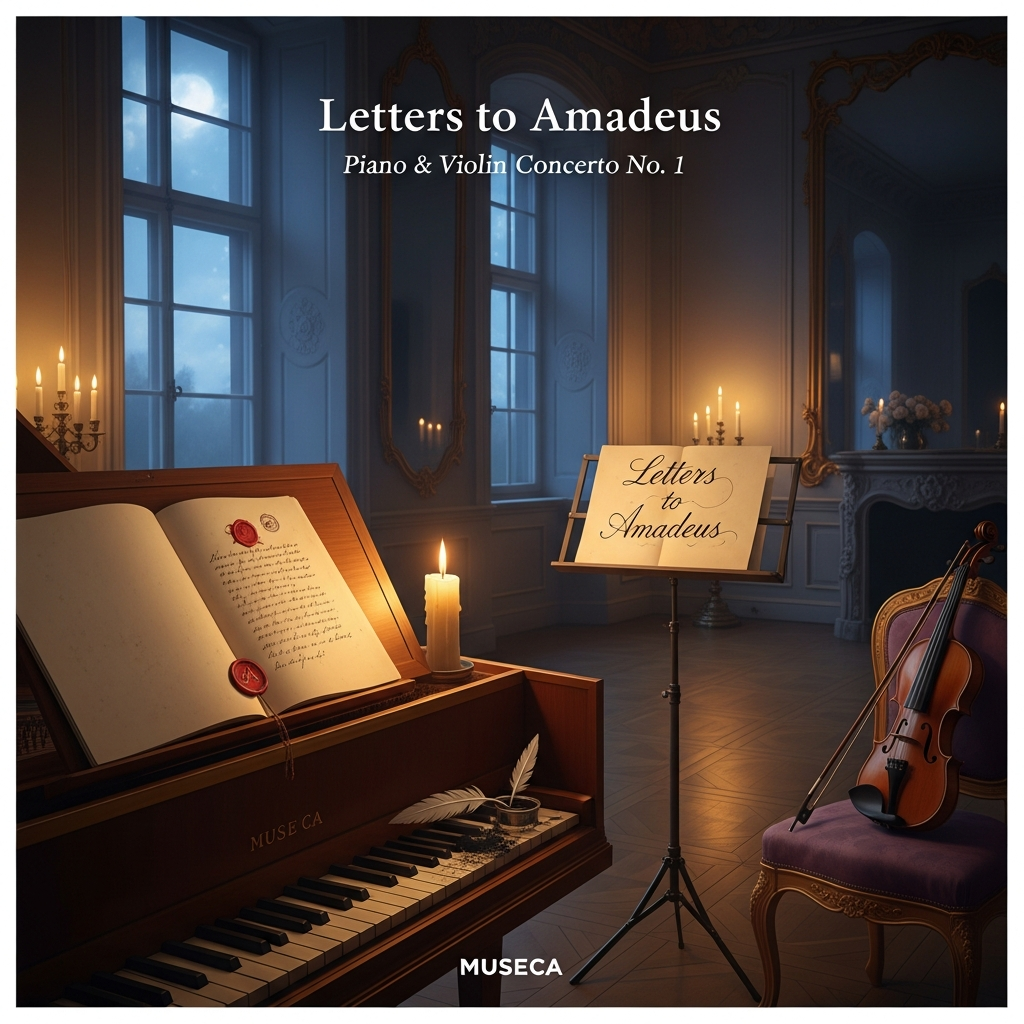
A four-movement concerto written in the spirit of correspondence — intimate, searching, reverent rather than imitative.

Orchestral & Concertante
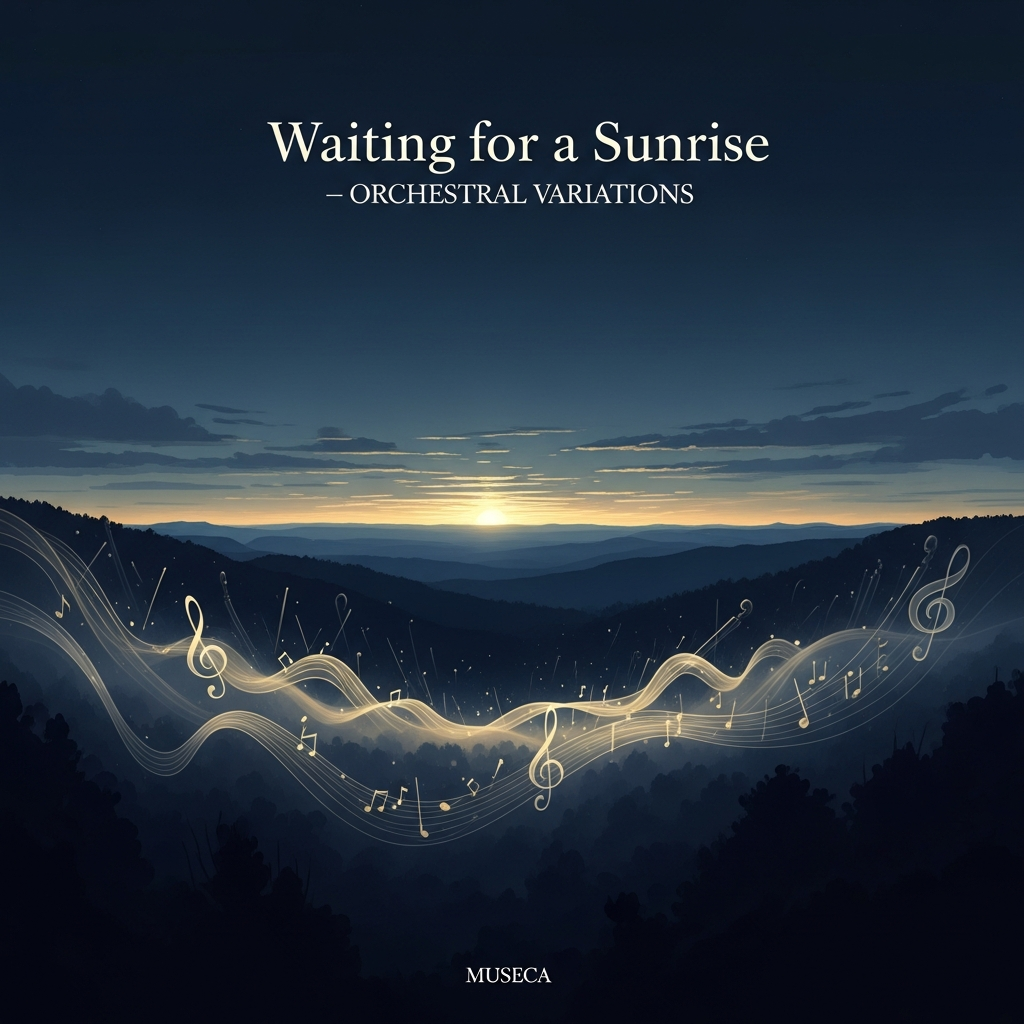
Originally a single intimate piano meditation, expanded here into a suite of orchestral reflections — the same melodic soul explored through different emotional lenses.

Vocal, Opera & Sacred
A classical-crossover work in the Sarah Brightman / Andrea Bocelli / Frank Peterson lineage, where beloved arias by Puccini, Mozart, and Tchaikovsky are reborn alongside original compositions in an opera-pop atmosphere of rich strings, electrified rhythm, and voices that rise like prayers.

Vocal, Opera & Sacred
Three tracks for the solstice window, written as a chamber-orchestral triptych rather than as standalone seasonal pieces.

Vocal, Opera & Sacred
The originating collection of the Museca-coined Universal Gospel tradition — gospel’s musical DNA (harmony, communal lift, testimony, rhythmic pulse) crossed with the wider sacred-classical and choral lineage.

Vocal, Opera & Sacred
Eight short anthems sung by a children’s treble choir, set deliberately against darker musical landscapes shaped by Phrygian and Locrian colors.

Vocal, Opera & Sacred
The companion album to Light in Our Chest — same treble-only world, same SSA scoring, same spiritual-without-religion stance.

Vocal, Opera & Sacred
A cycle of lyric songs imagined from the other side of inspiration: the Muse singing to the artist rather than the artist singing to the Muse.

Vocal, Opera & Sacred
A compact survey of operatic-pop territory — the meeting point between opera (born in late-sixteenth-century Florence as a union of music, theater, heightened emotion, and vocal spectacle) and the modern crossover language brought forward by Sarah Brightman, Andrea Bocelli, Il…

Vocal, Opera & Sacred
A second Universal Gospel song cycle. Draws from gospel’s deep musical inheritance — warmth, testimony, communal lift, rhythmic pulse, soul-bearing honesty — while opening that tradition into a wider spiritual language.

Vocal, Opera & Sacred
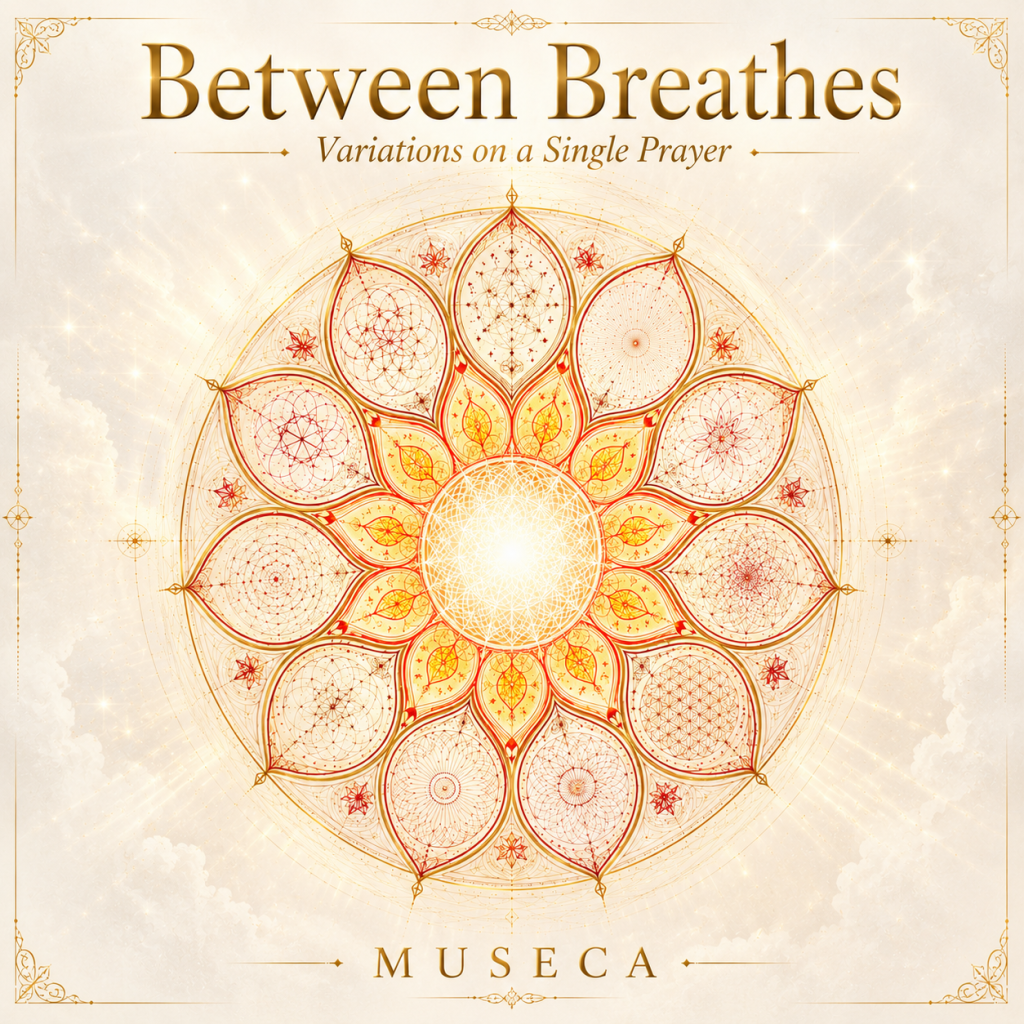
There is a pause between every breath — a still point where past and future fall away into one moment.

Vocal, Opera & Sacred
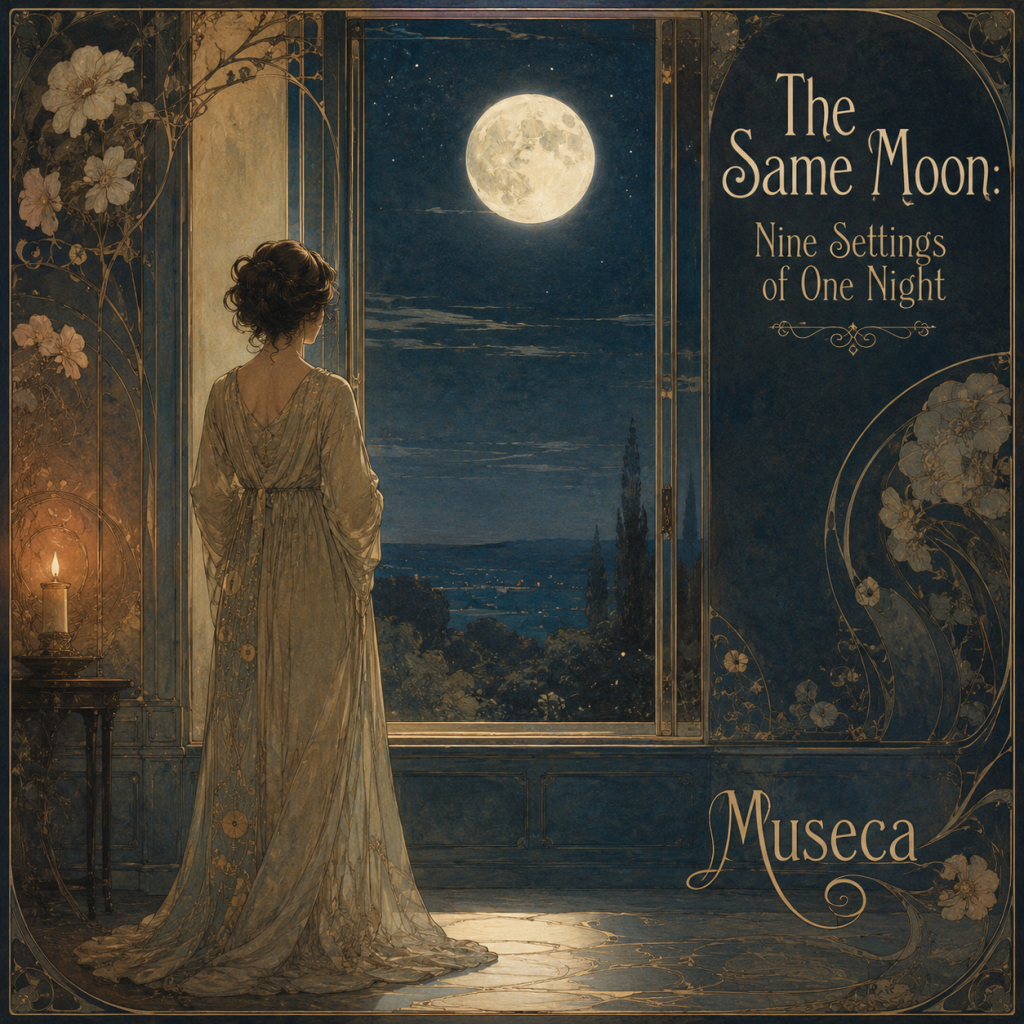
One poem. Nine settings. Four centuries of night.

Vocal, Opera & Sacred
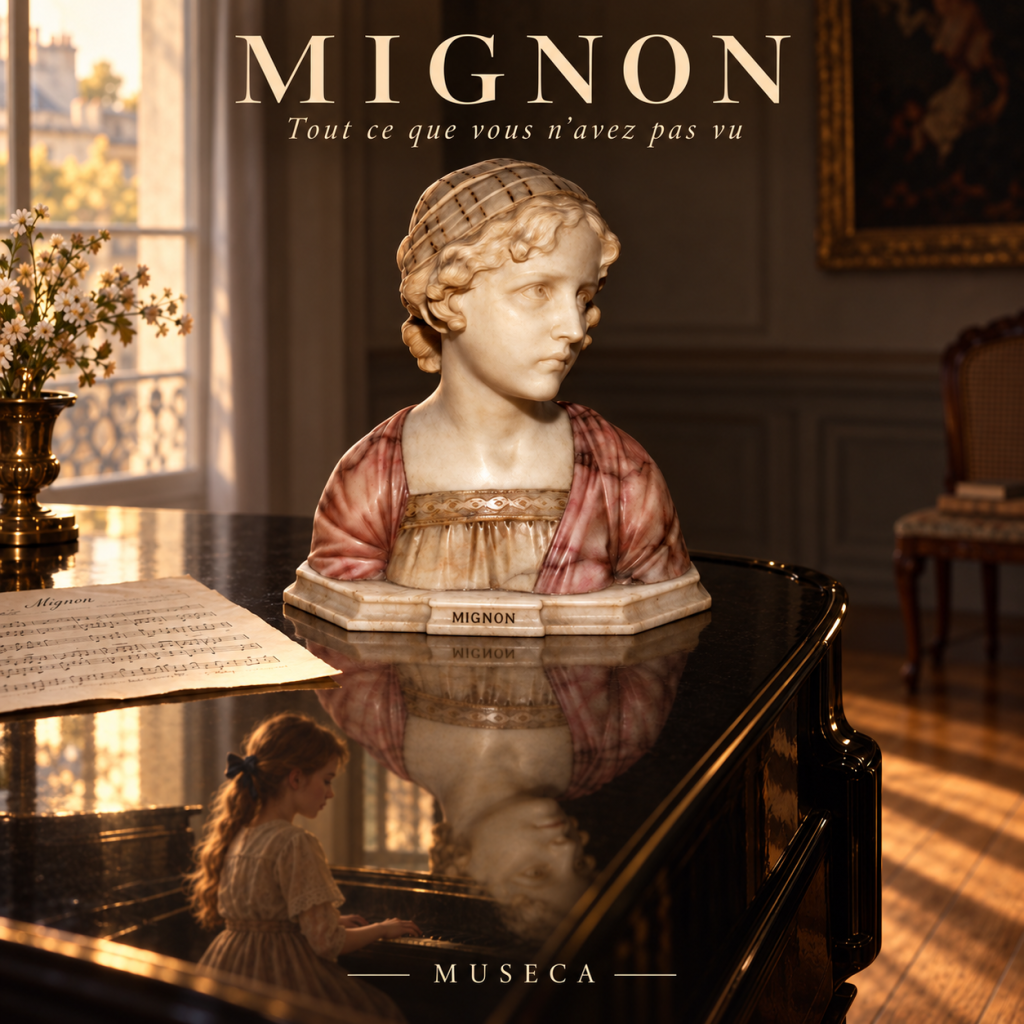
Mignon — Tout ce que vous n’avez pas vu is an intimate French chamber-song album sung by the imagined voice of a ten-year-old girl who notices what adults often overlook: light moving across a floor, lowered voices, an empty chair,…

Sotto Voce Series
The originating album of the Sotto Voce series — and the source work of a Museca-coined sacred-classical idiom that takes its name from the Italian musical instruction sotto voce (under the voice).

Sotto Voce Series
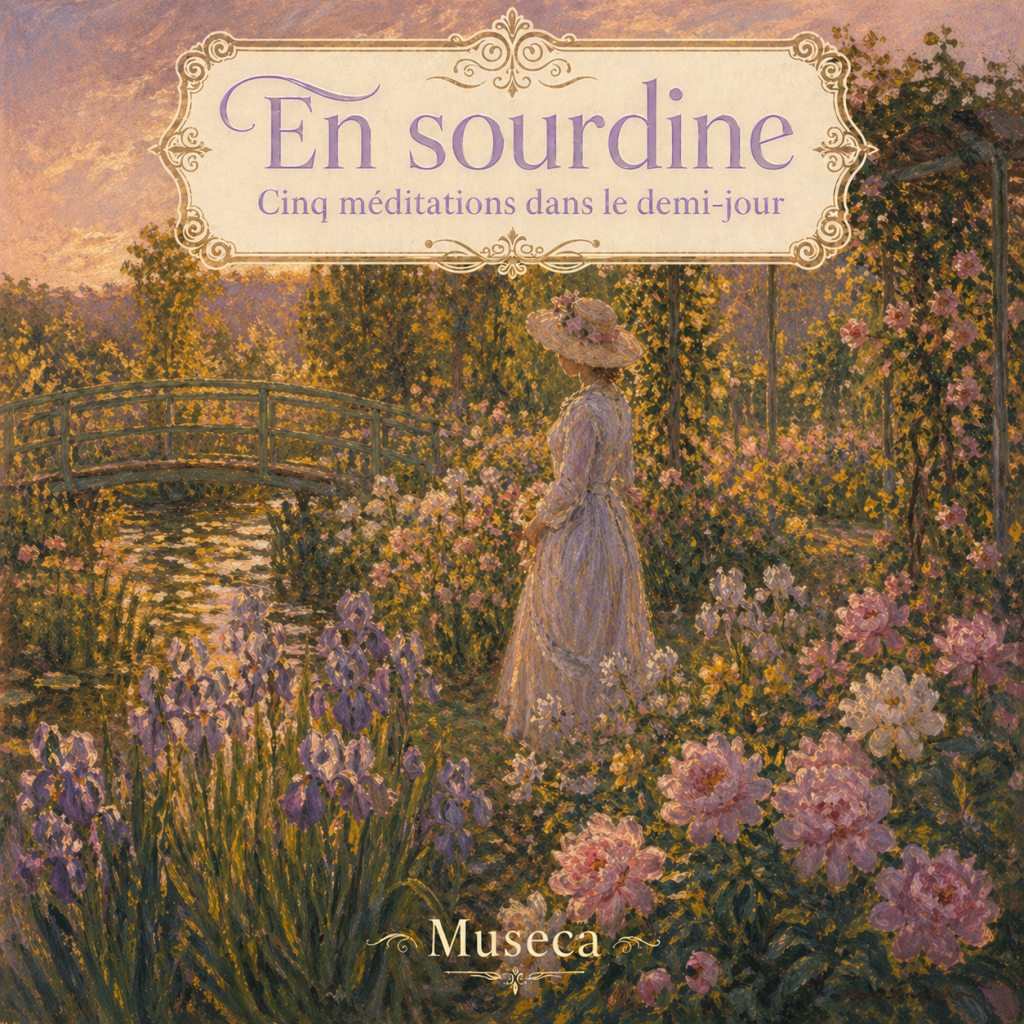
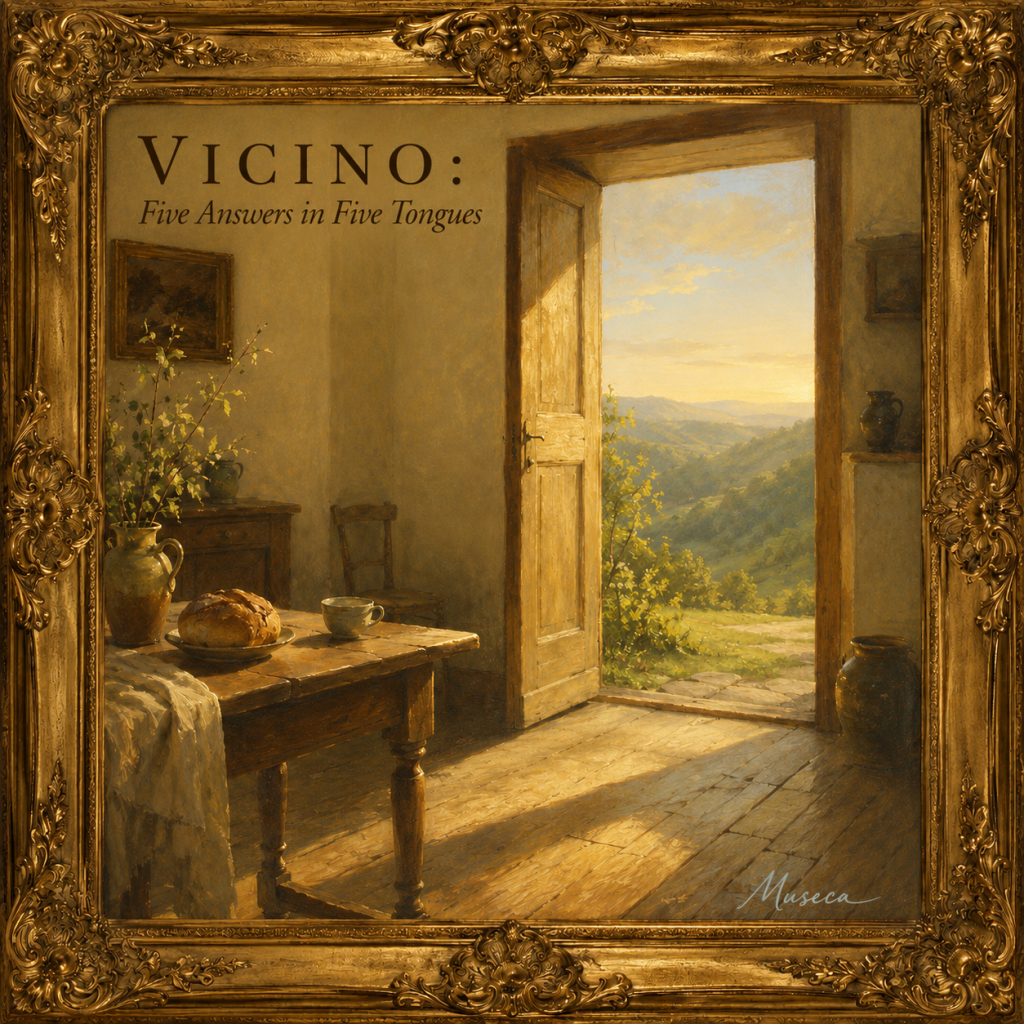
The French extension of the Sotto Voce series — and the album where the founding paradox finds its most natural language.

Sotto Voce Series
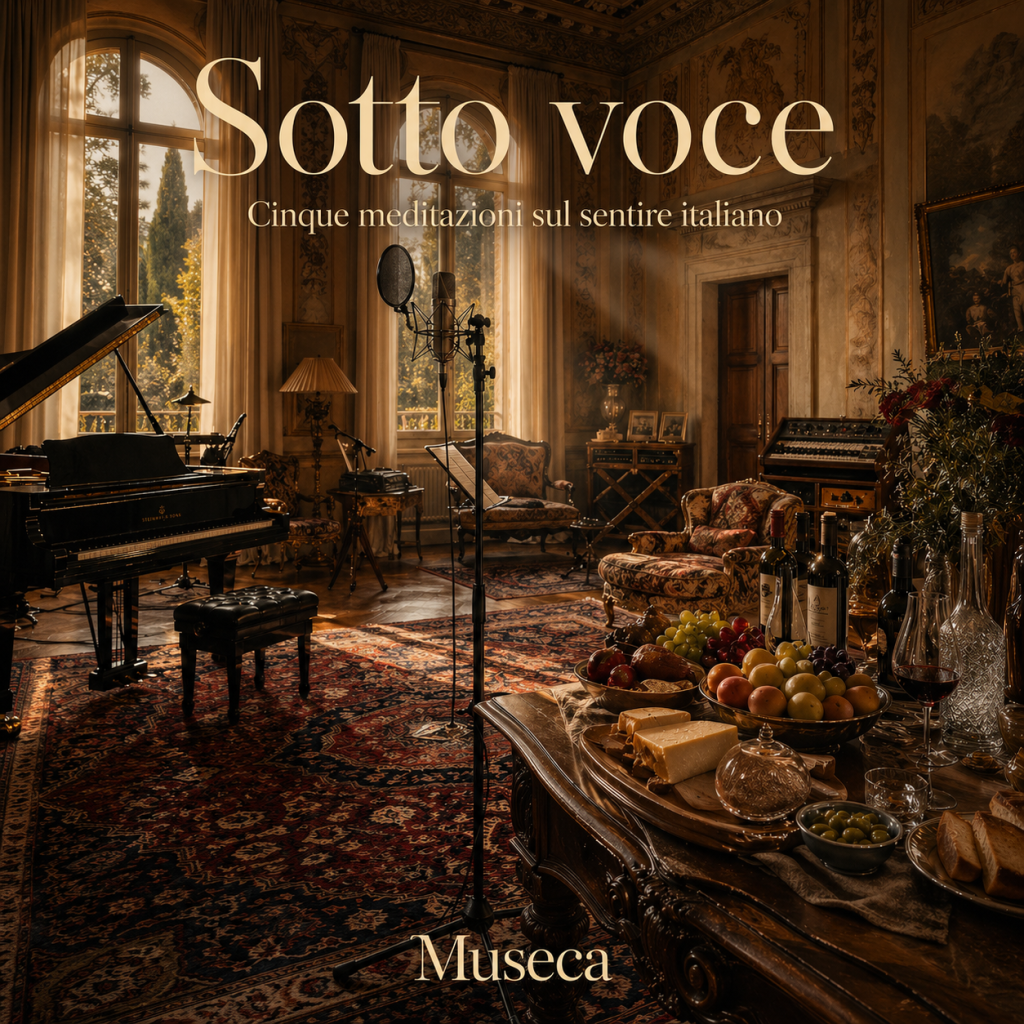
The Italian extension of the Sotto Voce series — the album that brings the founding instruction back to its source language.

Sotto Voce Series
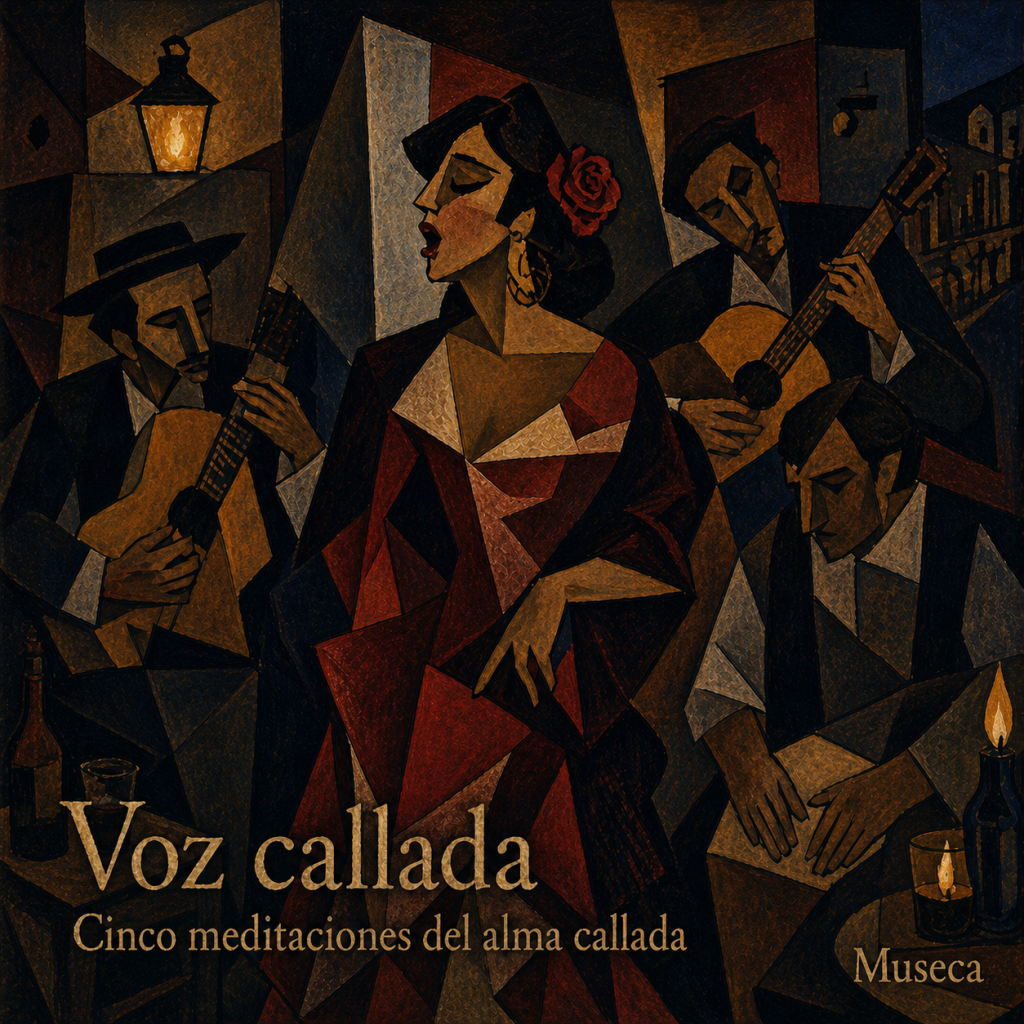
The Spanish extension of the Sotto Voce series — the fourth album in the series and the third single-language extension.

Sotto Voce Series
The Russian-aesthetic continuation that emerged after the Sotto Voce multilingual album, following a single Russian track that seemed to come from somewhere older than the song itself.

Sotto Voce Series
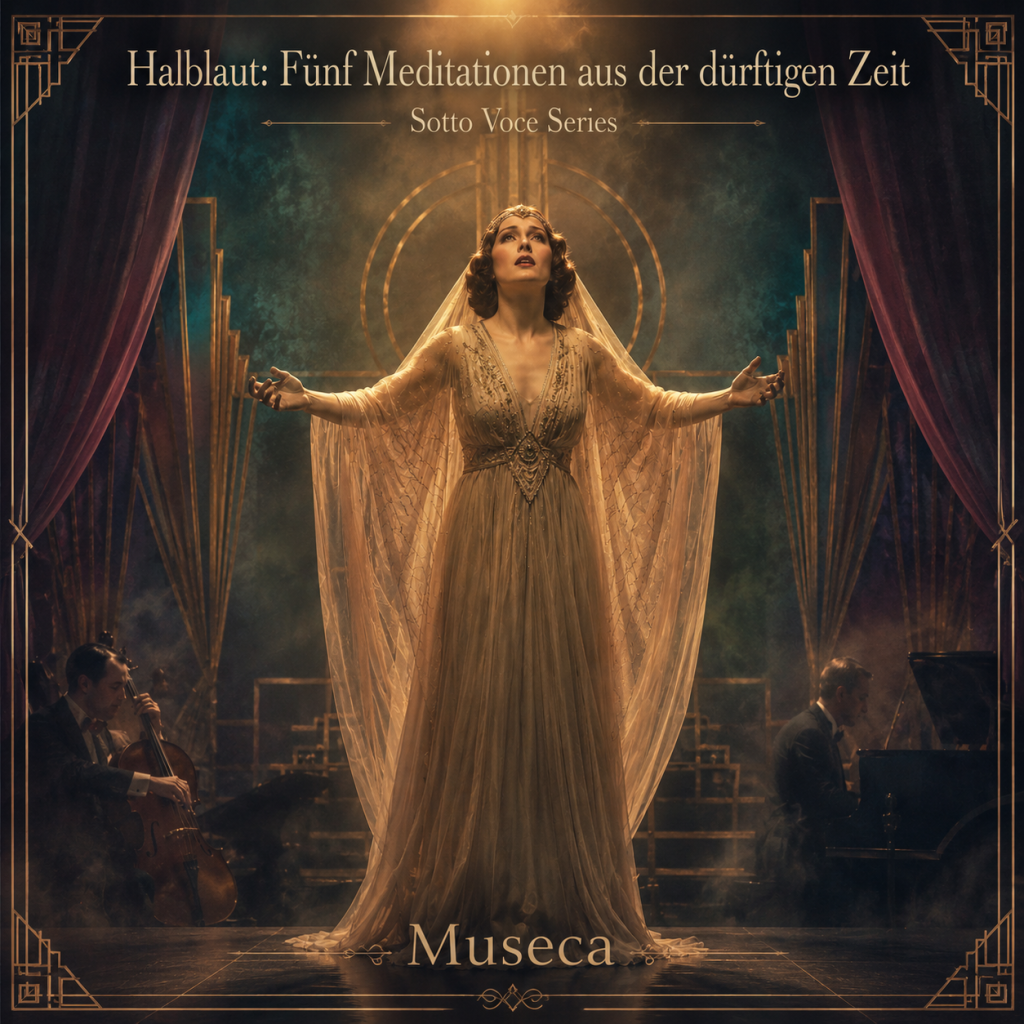
Halblaut: Fünf Meditationen aus der dürftigen Zeit is the fourth single-language extension of the Sotto Voce series — a German chillout-classical meditation built on Hölderlin’s elegy Brod und Wein.

Sotto Voce Series
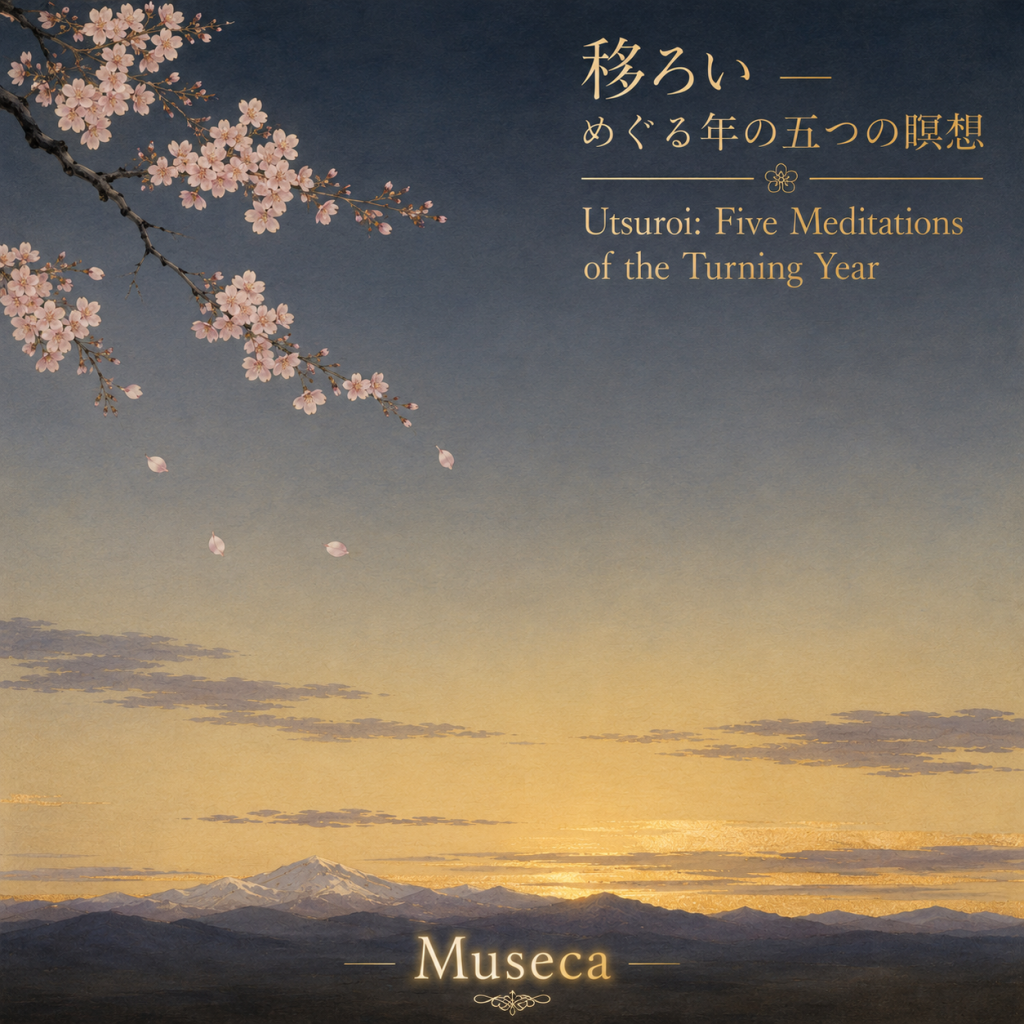
One poem the seasons never stop writing.

Sotto Voce Series
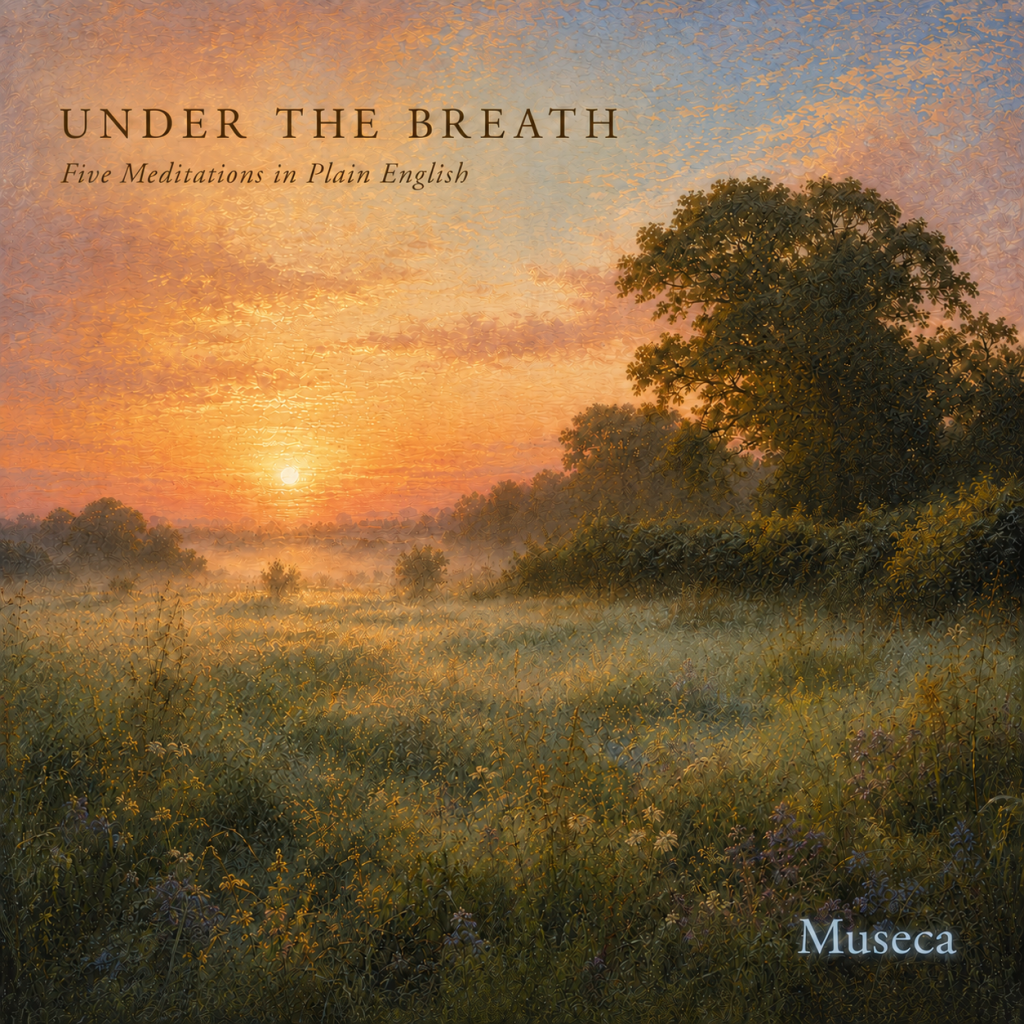
The final album of the Sotto Voce series arrives in the language that was underneath all the others.

Sotto Voce Series
Eight albums of the Sotto Voce series asked the night a question. This album is the night answering — a single baritone voice, velvet and low, retracing the series’ rooms in Italian, German, Russian, French, and English.

Sotto Voce Series
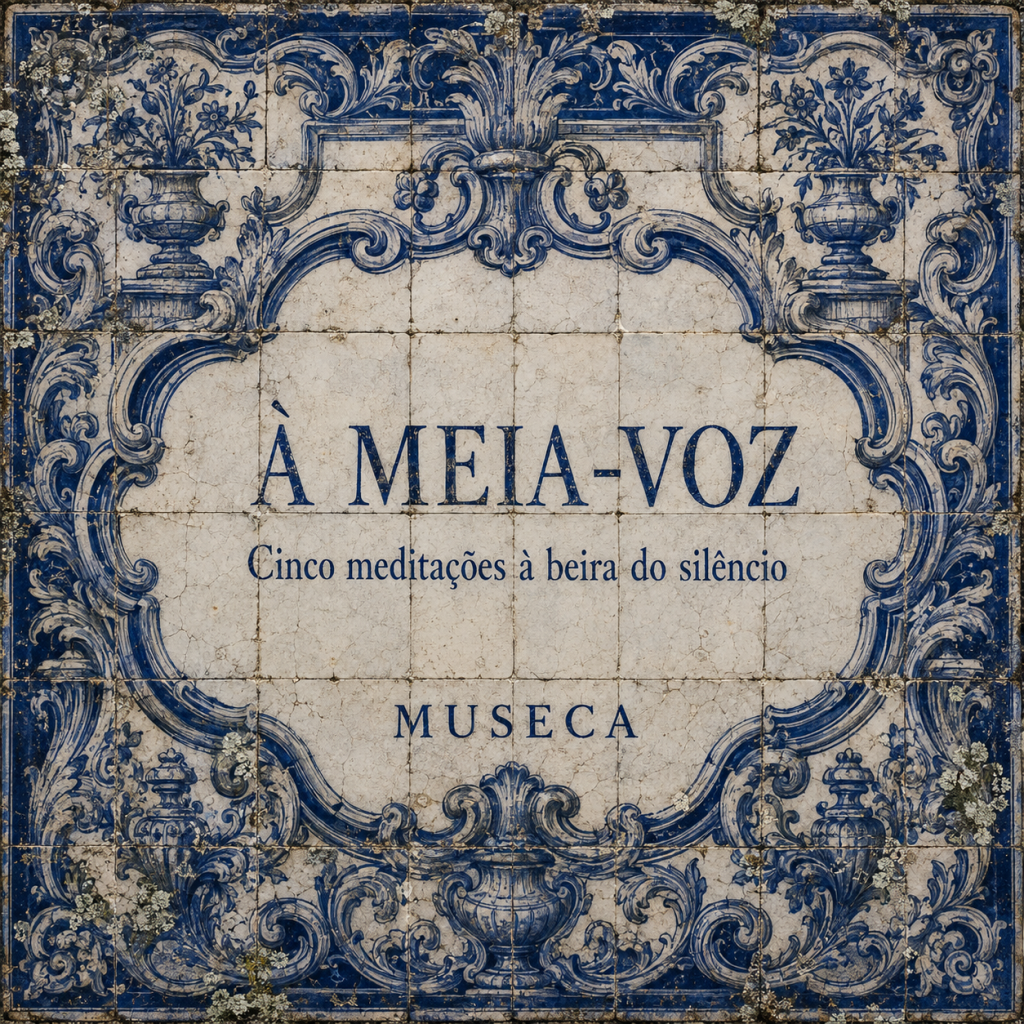
À meia-voz — at half-voice — is the Portuguese phrase for singing under the breath, and the tenth album in the Sotto Voce series takes it literally.

Sotto Voce Series
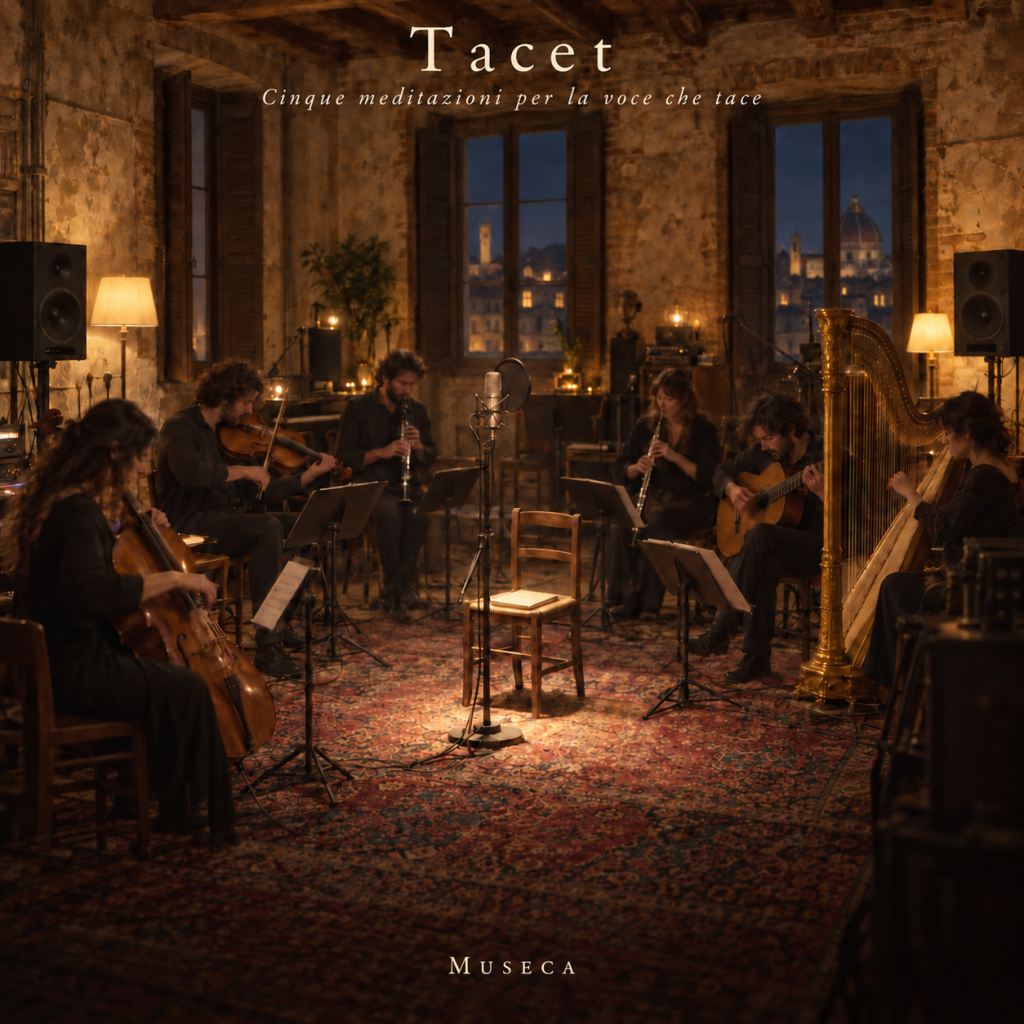
In a score, tacet is the instruction to a part that it does not play. The performer sits in the room, holding a text, and stays silent for the whole piece.

Sotto Voce Series
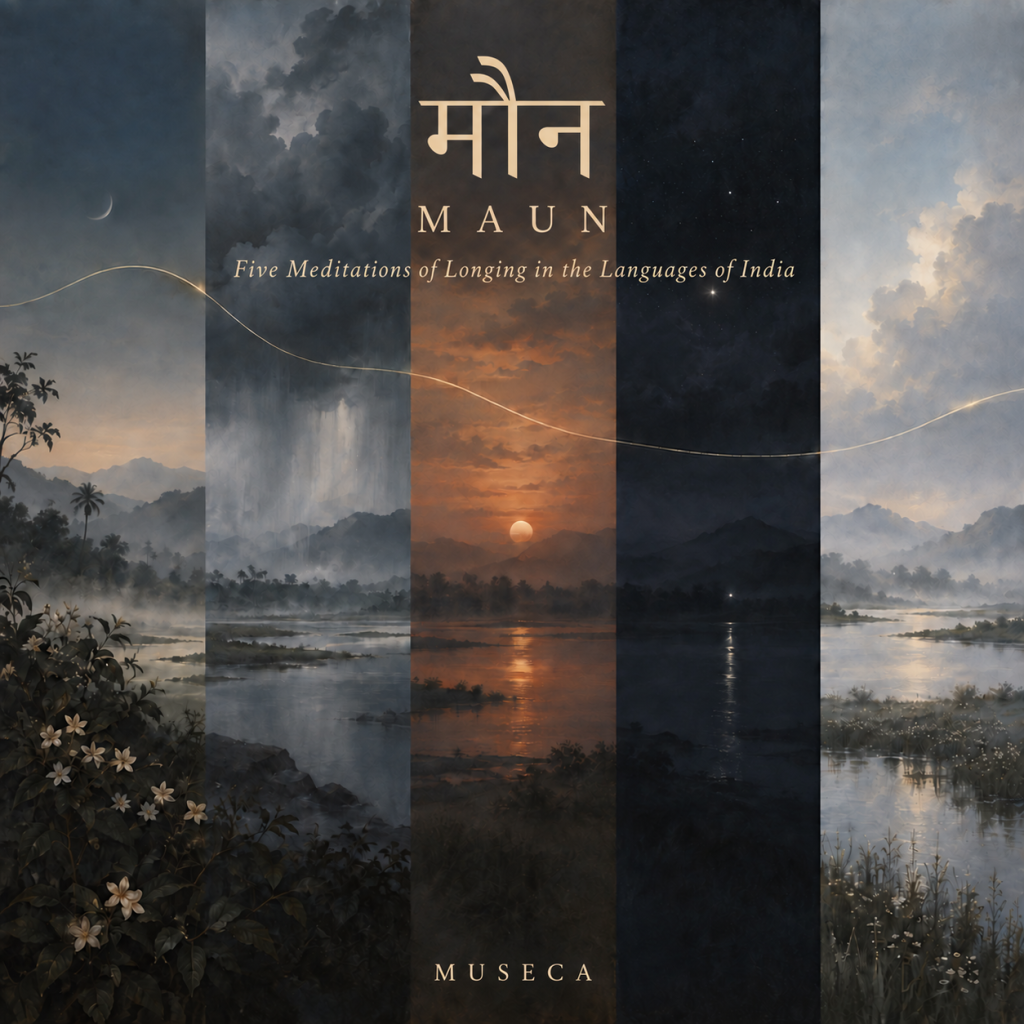
Five songs, five languages, two thousand years. Maun begins before sunrise in ancient Tamil, where a woman waits for a man who promised to return when the rains came, and ends at daybreak in Bengali, when the rain finally falls.

Sotto Voce Series
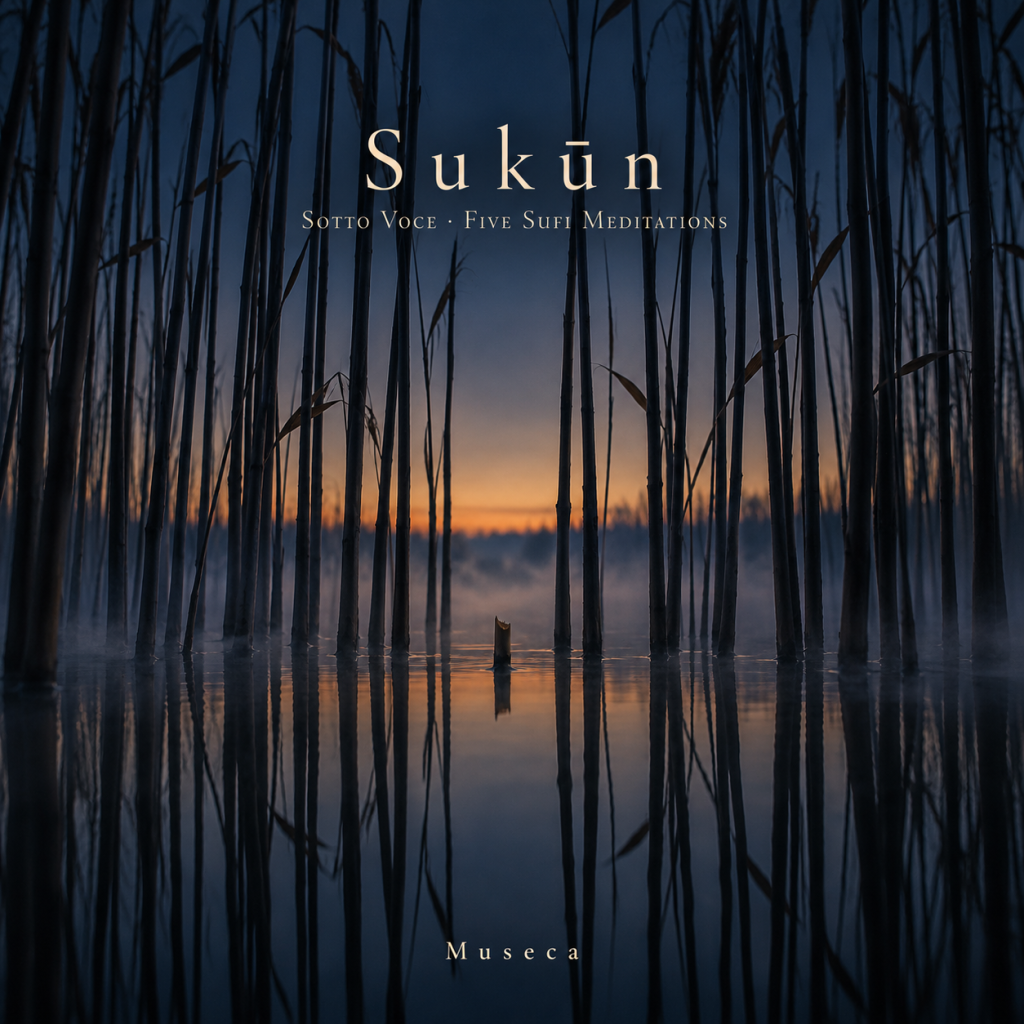
Five Sufi poets, five languages, one woman’s voice singing under the breath.

Sotto Voce Series
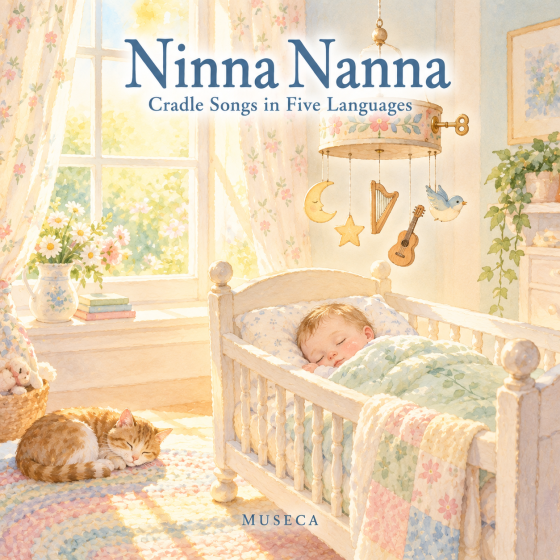
Five lullabies in Italian, Welsh, Yiddish, Japanese, and Hawaiian, with four instrumental interludes, follow one child from dusk into sleep.

Signature Series
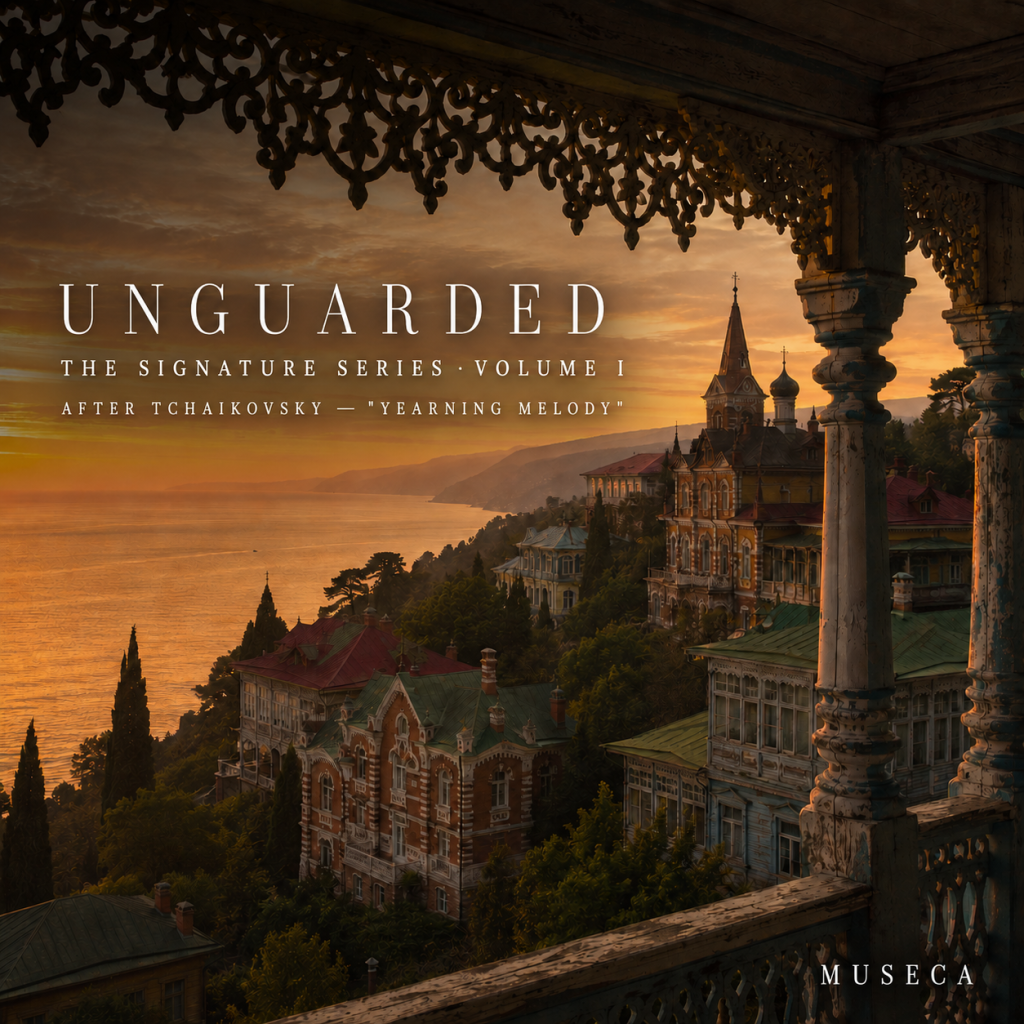
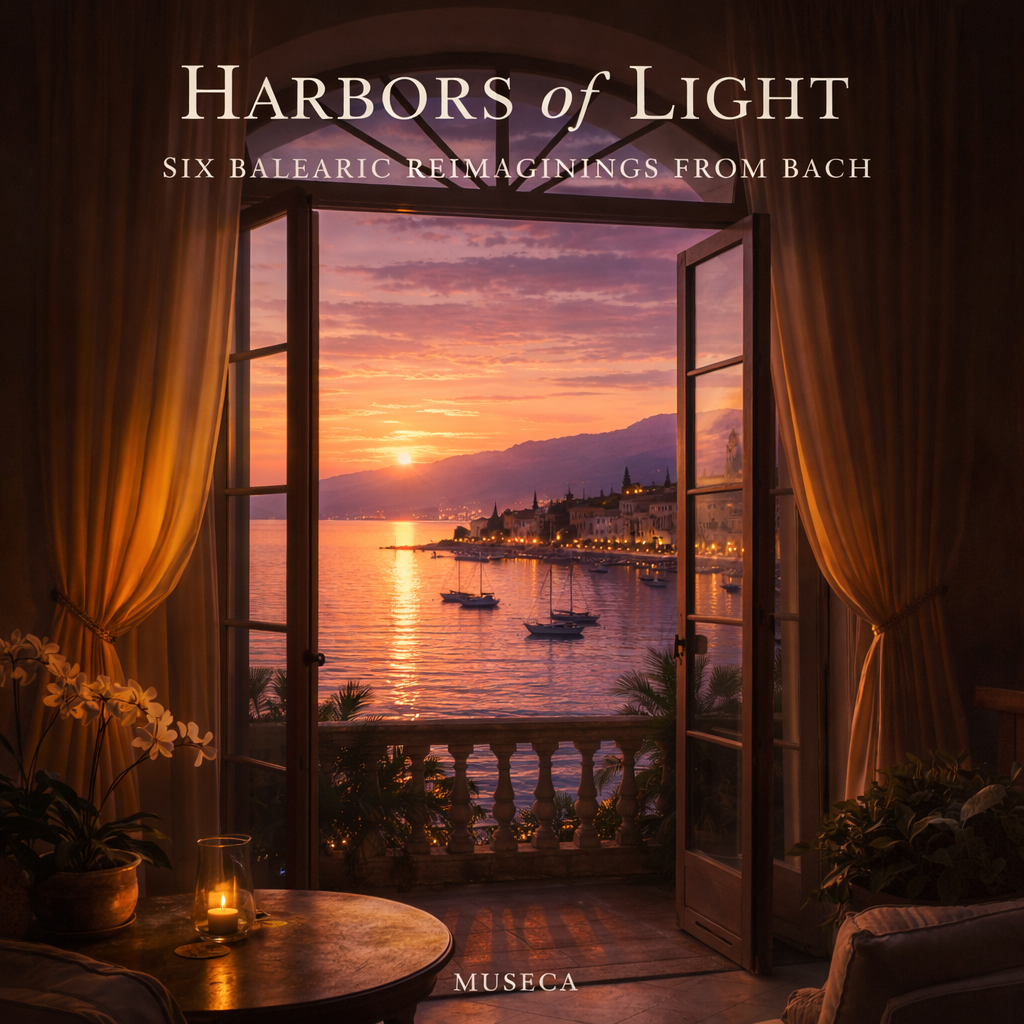
A Balearic sunset record built entirely from Tchaikovsky — no orchestra, no strings, no nineteenth century anywhere in the sound.

Signature Series
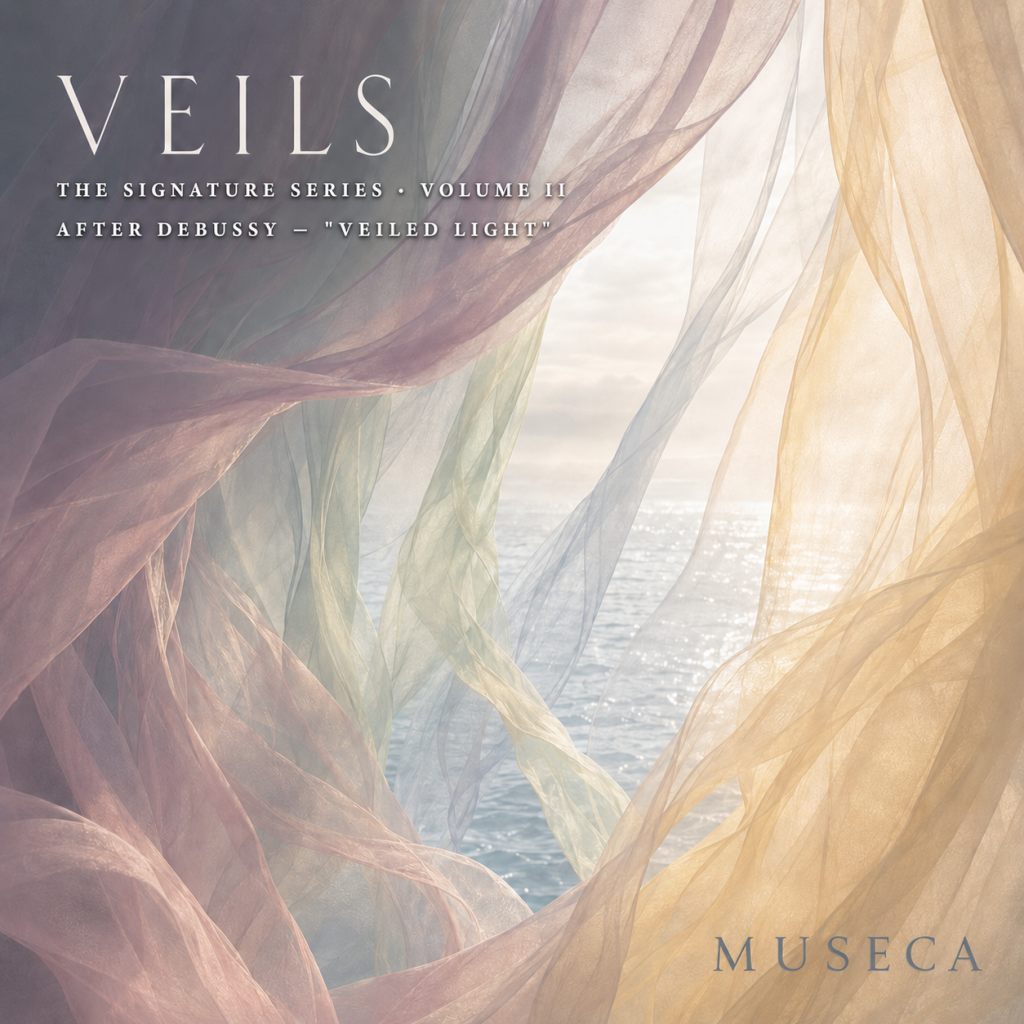
A record where nothing resolves and nothing arrives — six tracks built entirely from Debussy’s musical behavior rather than his sound.

Signature Series
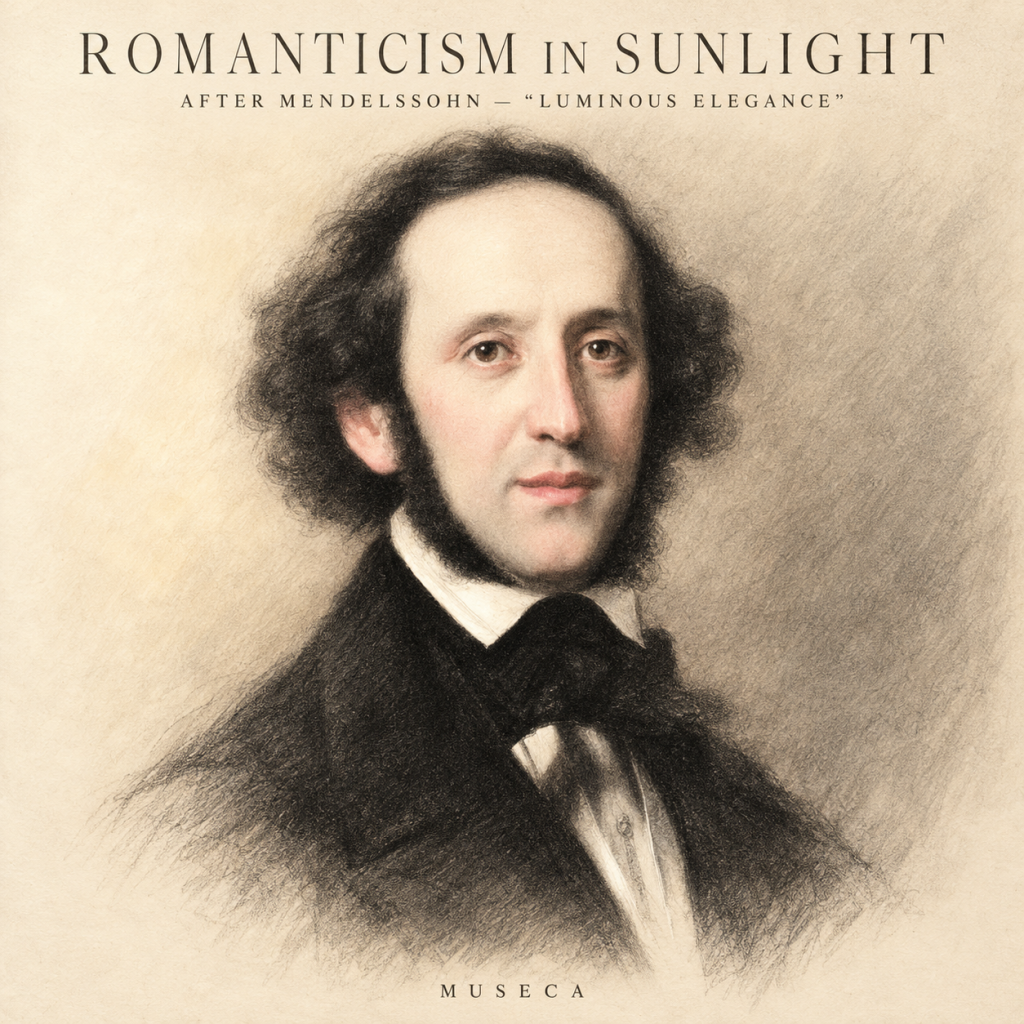
Six new works written in Mendelssohn’s own idiom — a concert overture, a song without words, a fairy scherzo, an andante for violin, a string sinfonia, and a saltarello.

Studies, Technique & Craft
A set of pieces that wears two identities at once: a listening album and a friendly guide to the craft of counterpoint.

Studies, Technique & Craft
A focused exploration of one of music’s most enduring forces: repetition.

Studies, Technique & Craft
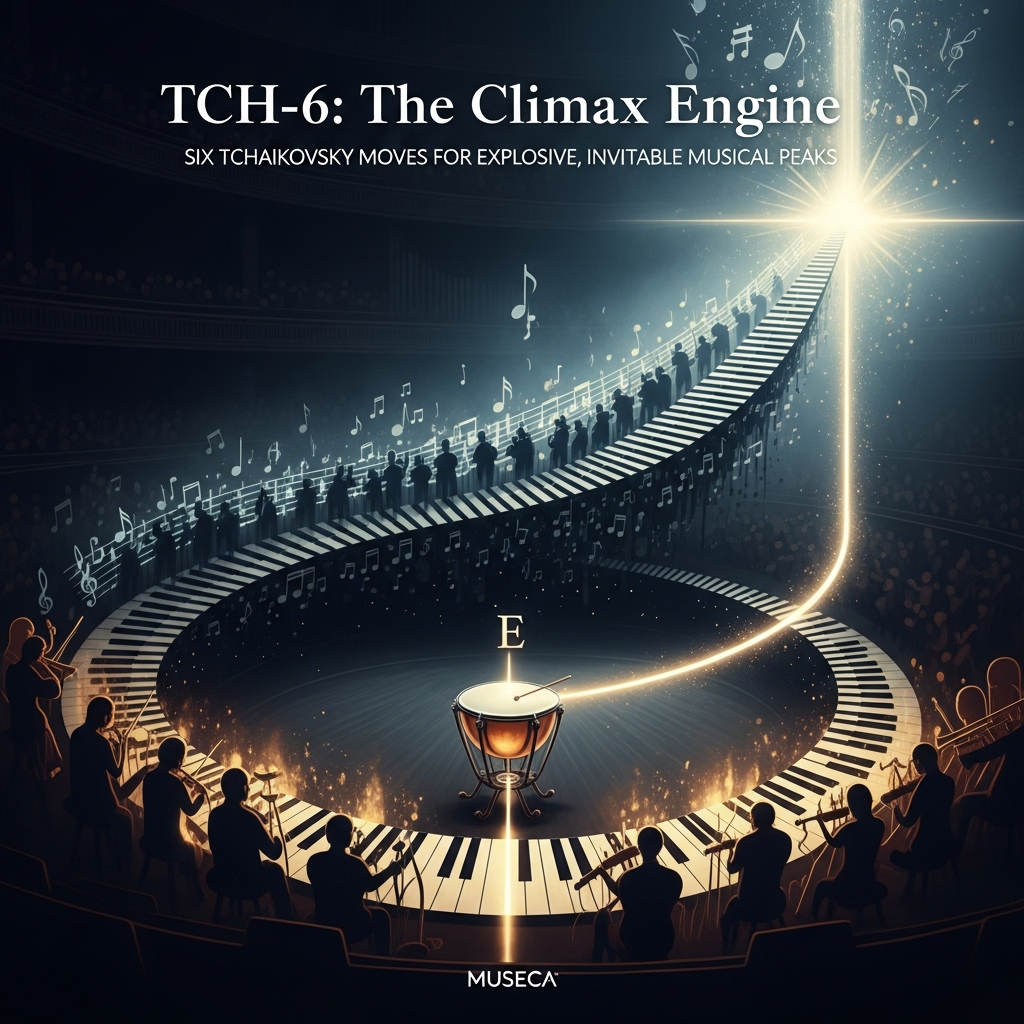
A practical, composer-facing study of Tchaikovsky’s climactic architecture — not as biography or homage, but as a set of repeatable mechanisms that reliably produce the sensation of inevitability.

Studies, Technique & Craft
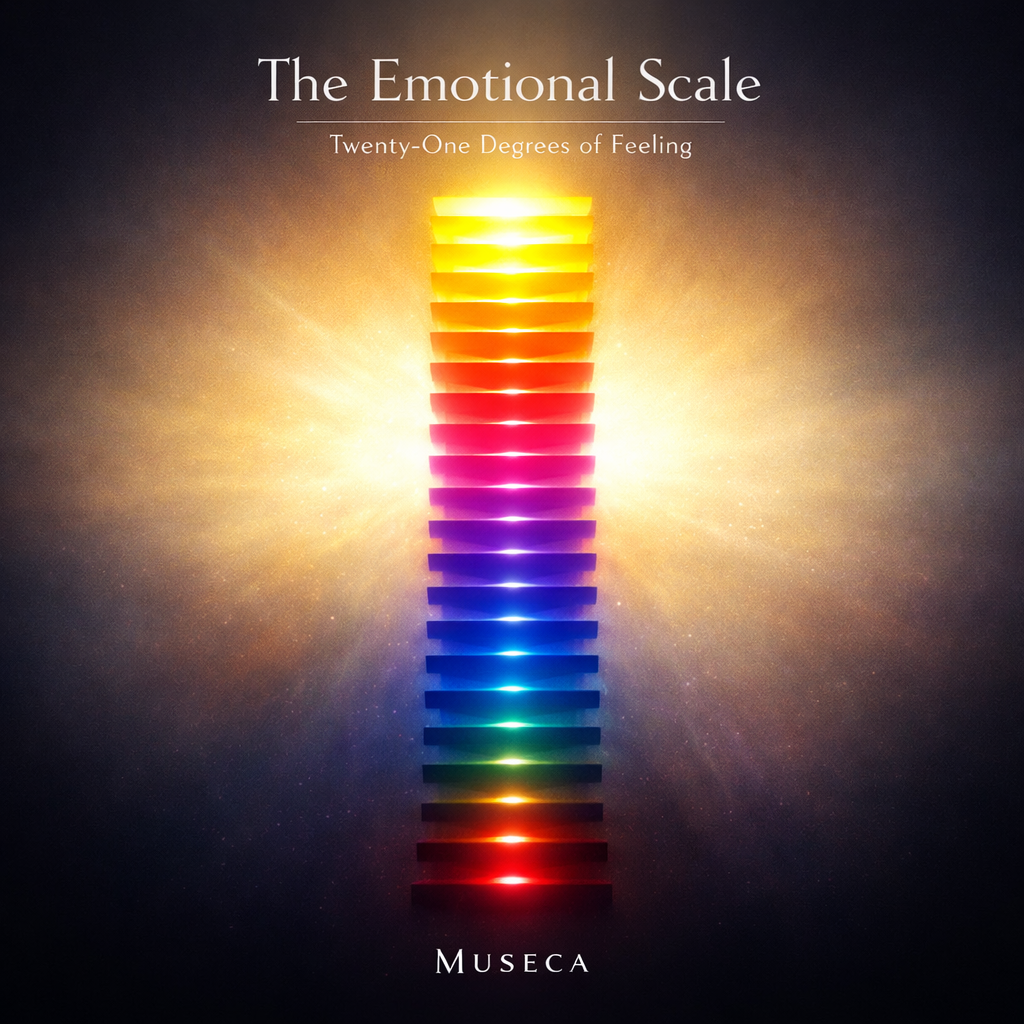
A 21-track theme-and-variations cycle built on a strict compositional constraint: one motif is recomposed twenty-one times, each setting calibrated to a different position on the Abraham-Hicks emotional scale.

Studies, Technique & Craft
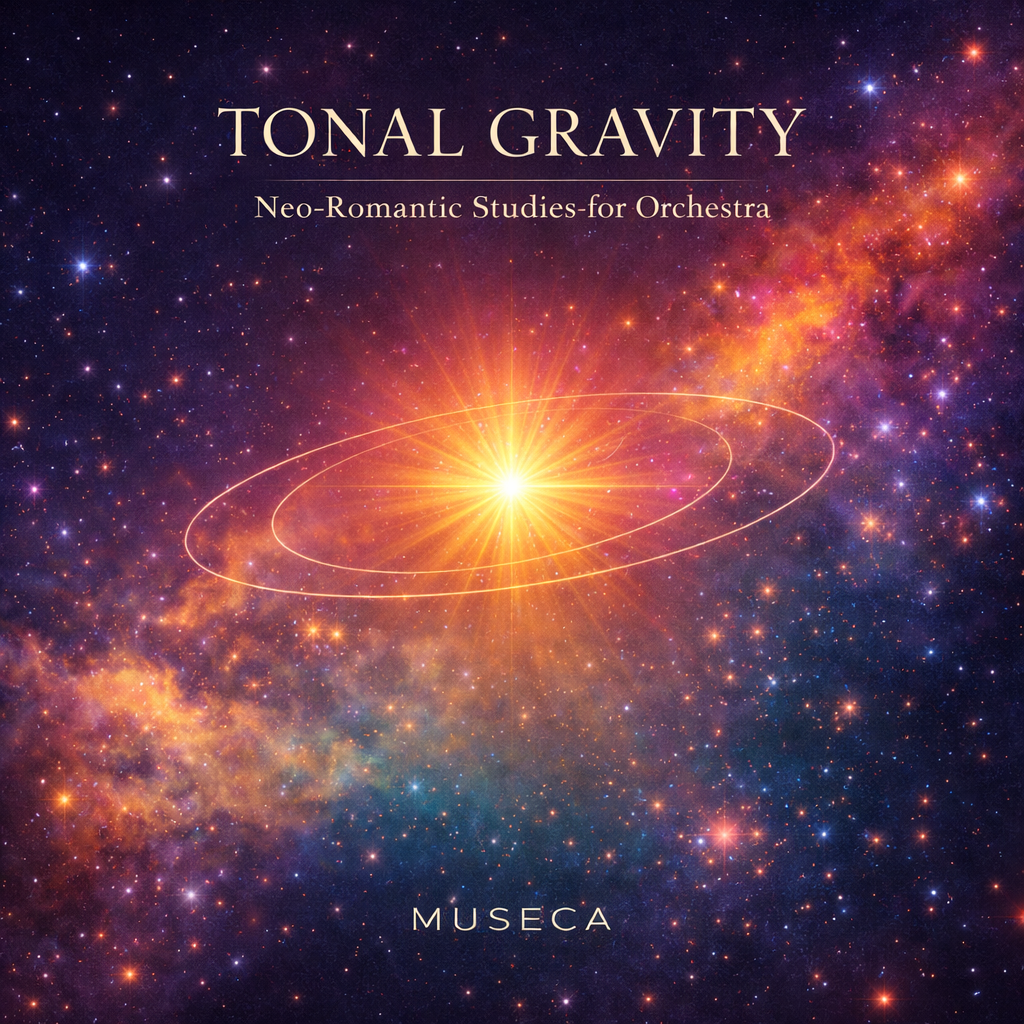
A cycle shaped by a single governing idea: the ear’s attraction to a center of weight.

Studies, Technique & Craft
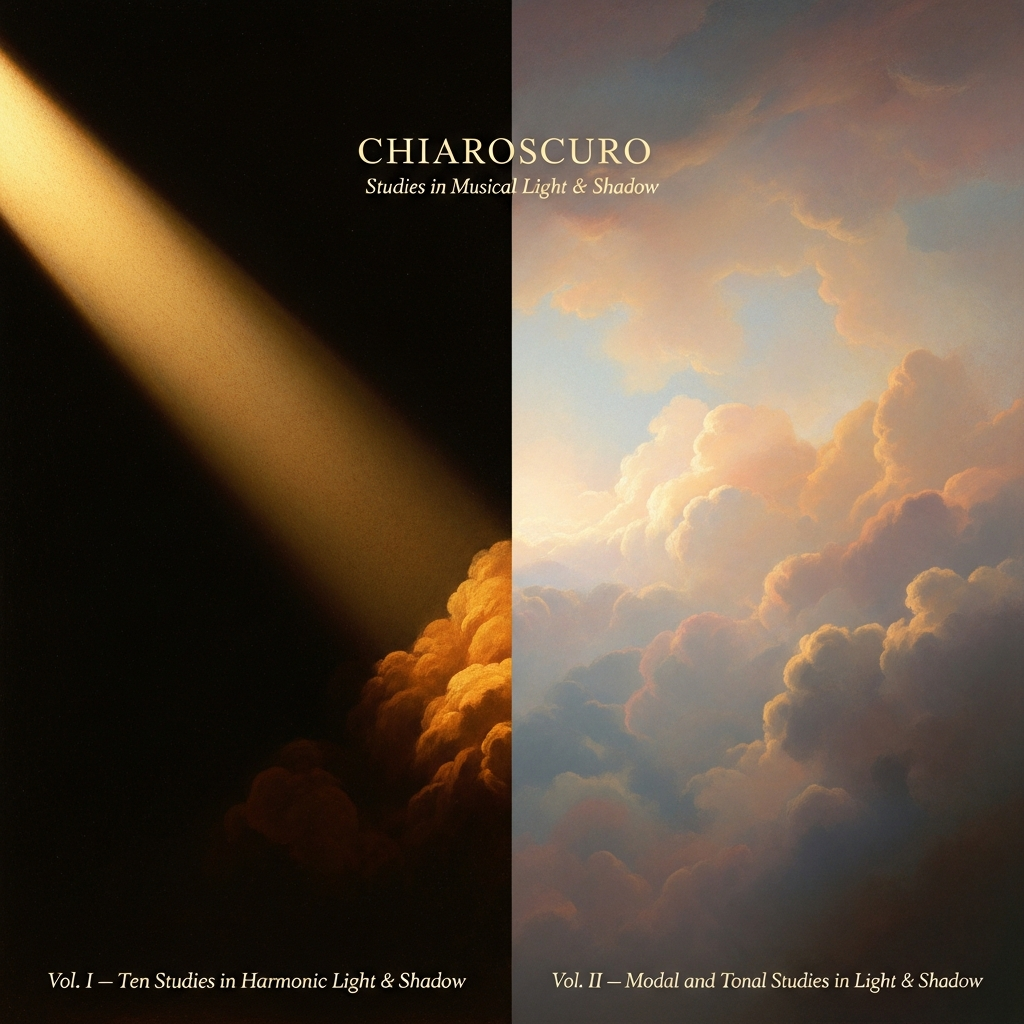
A landing page for two companion albums exploring the visual-arts principle of chiaroscuro — the dramatic use of light and shadow — as a musical principle.

Studies, Technique & Craft
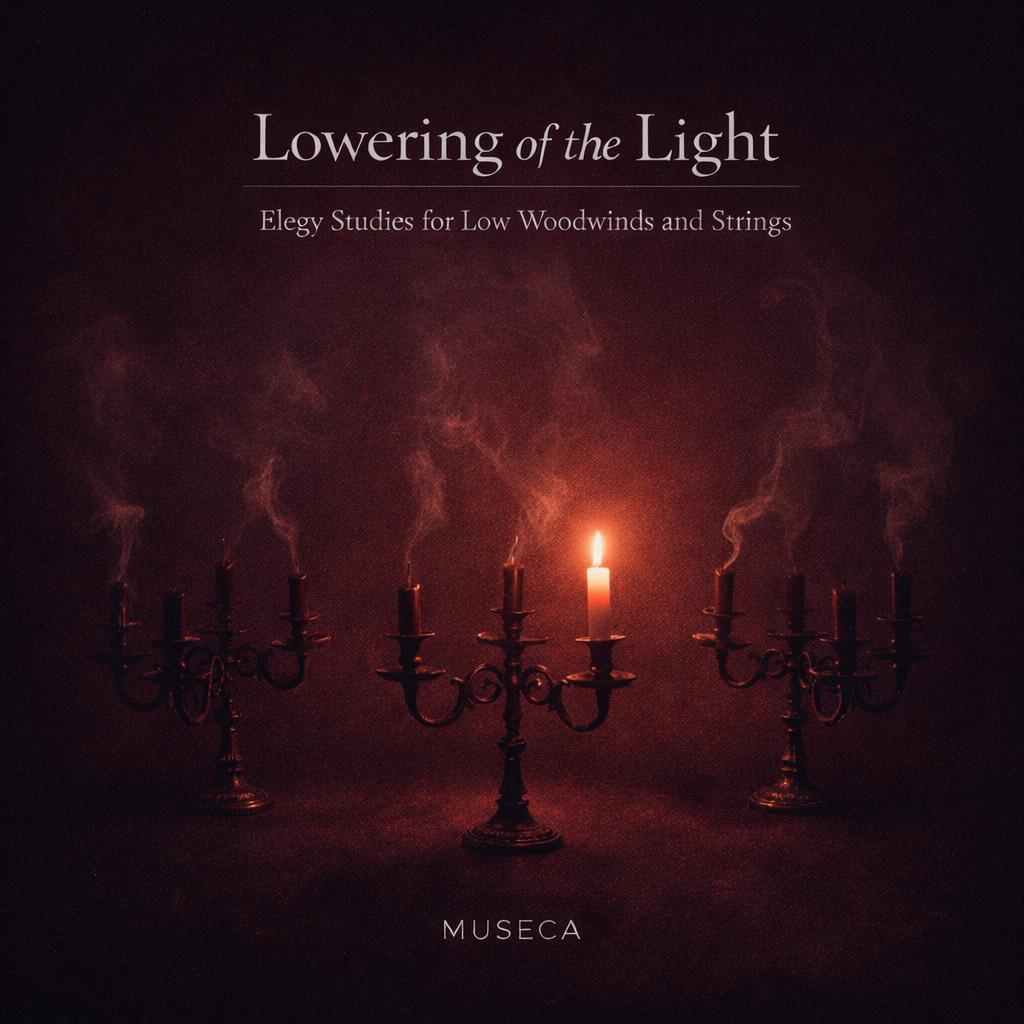
A suite of elegies written for the lowest, most human registers of the orchestra — bassoon’s grain and ache, bass clarinet’s velvet hush, viola’s dark inner warmth, cello’s bodily resonance, double bass as unmoving weight.

Studies, Technique & Craft
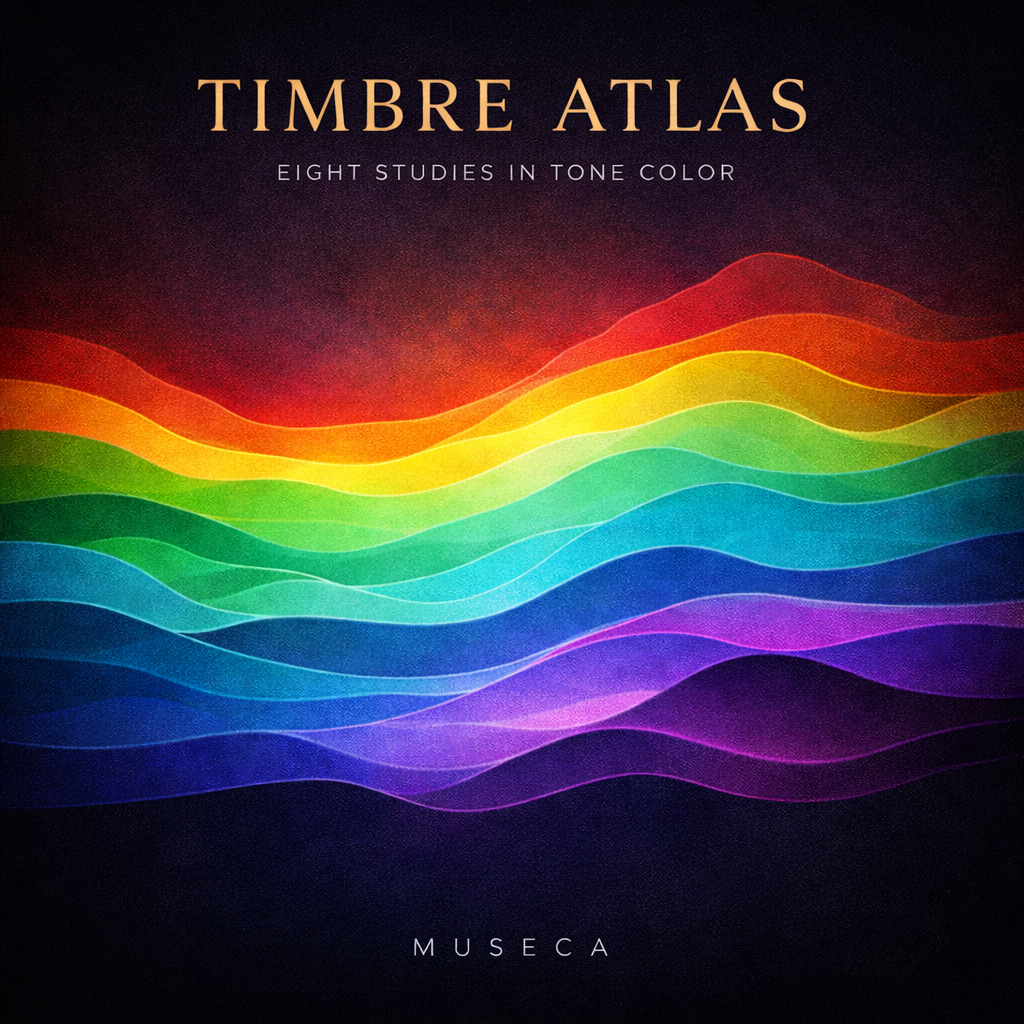
An album that reverses the usual hierarchy: timbre as the subject rather than the vehicle for melody and harmony.

Studies, Technique & Craft
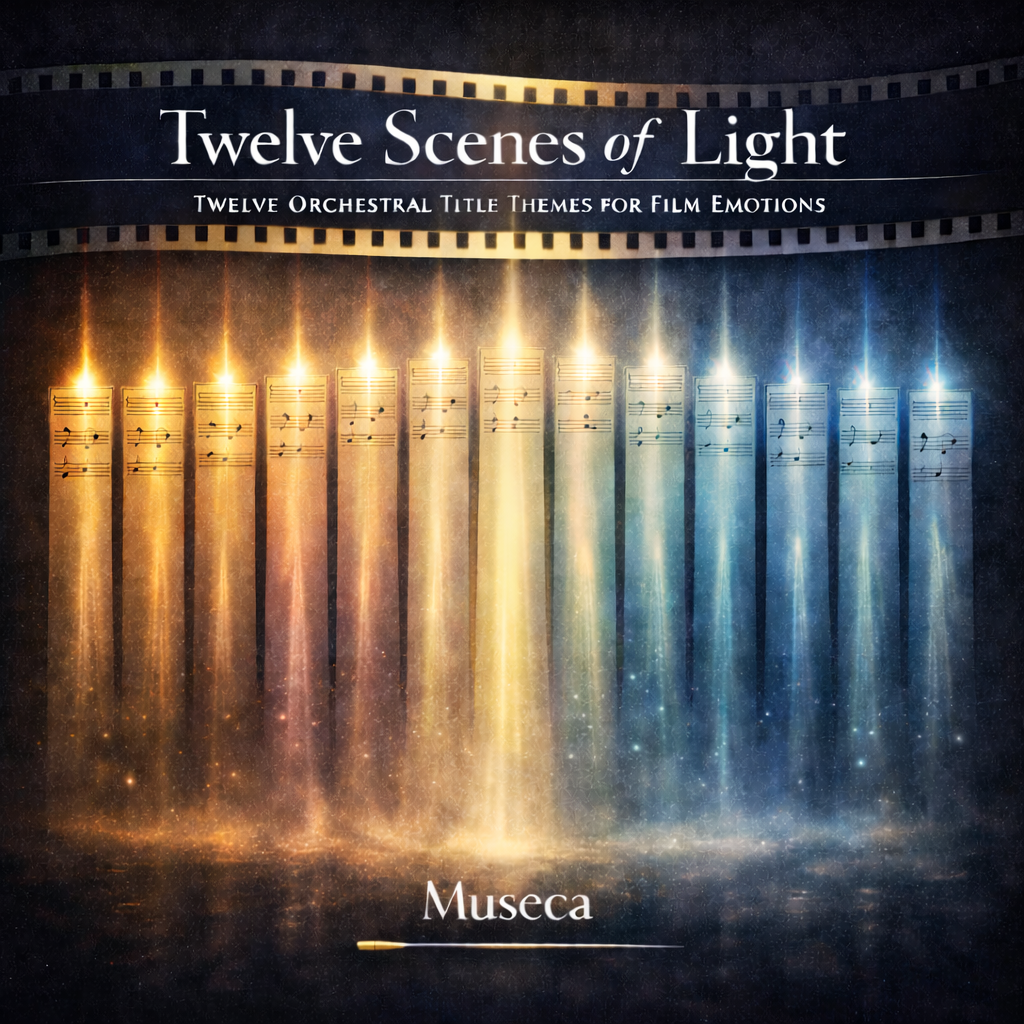
Twelve original purely orchestral film themes — each written as a complete title-theme statement, built from an 8-bar kernel expanded into a 16-bar main theme.

Studies, Technique & Craft
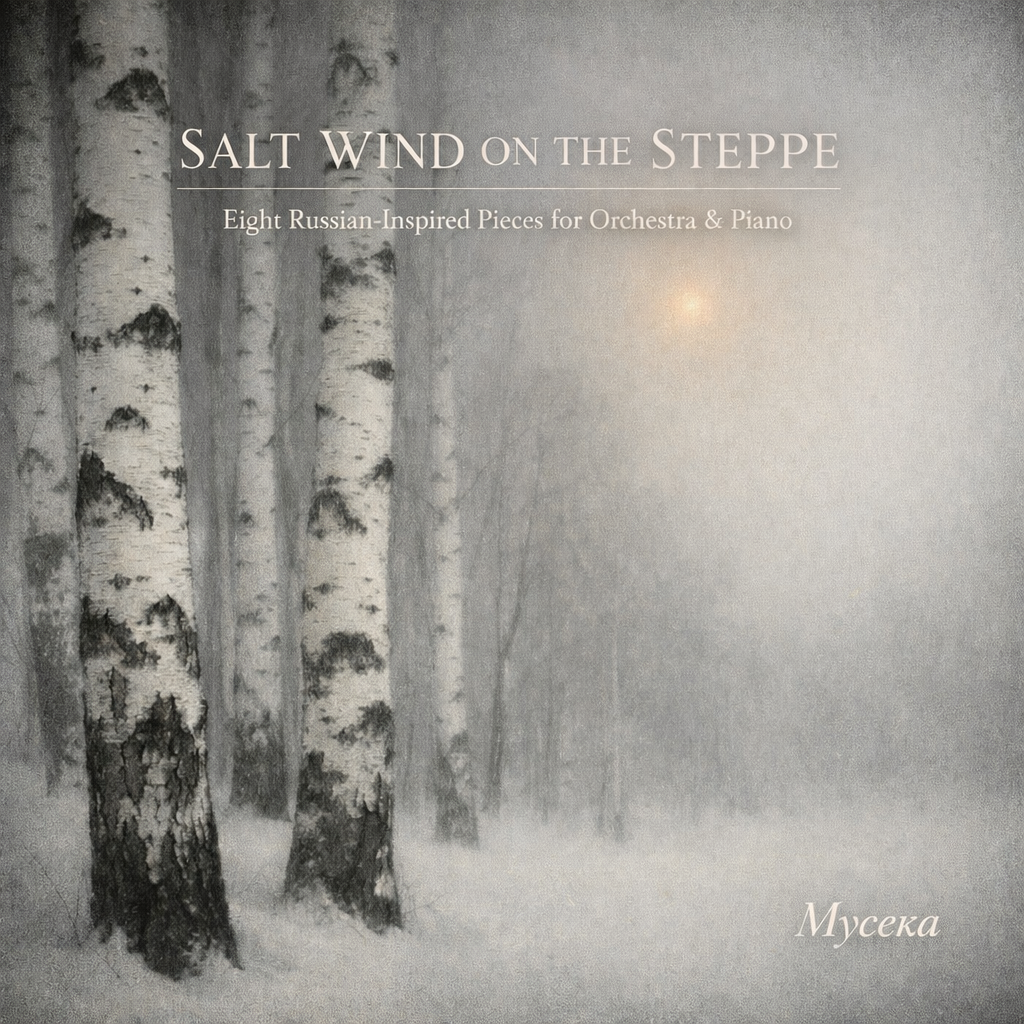
A cycle built from a distinctly Russian paradox: music that feels as wide as landscape yet as intimate as confession.

Studies, Technique & Craft
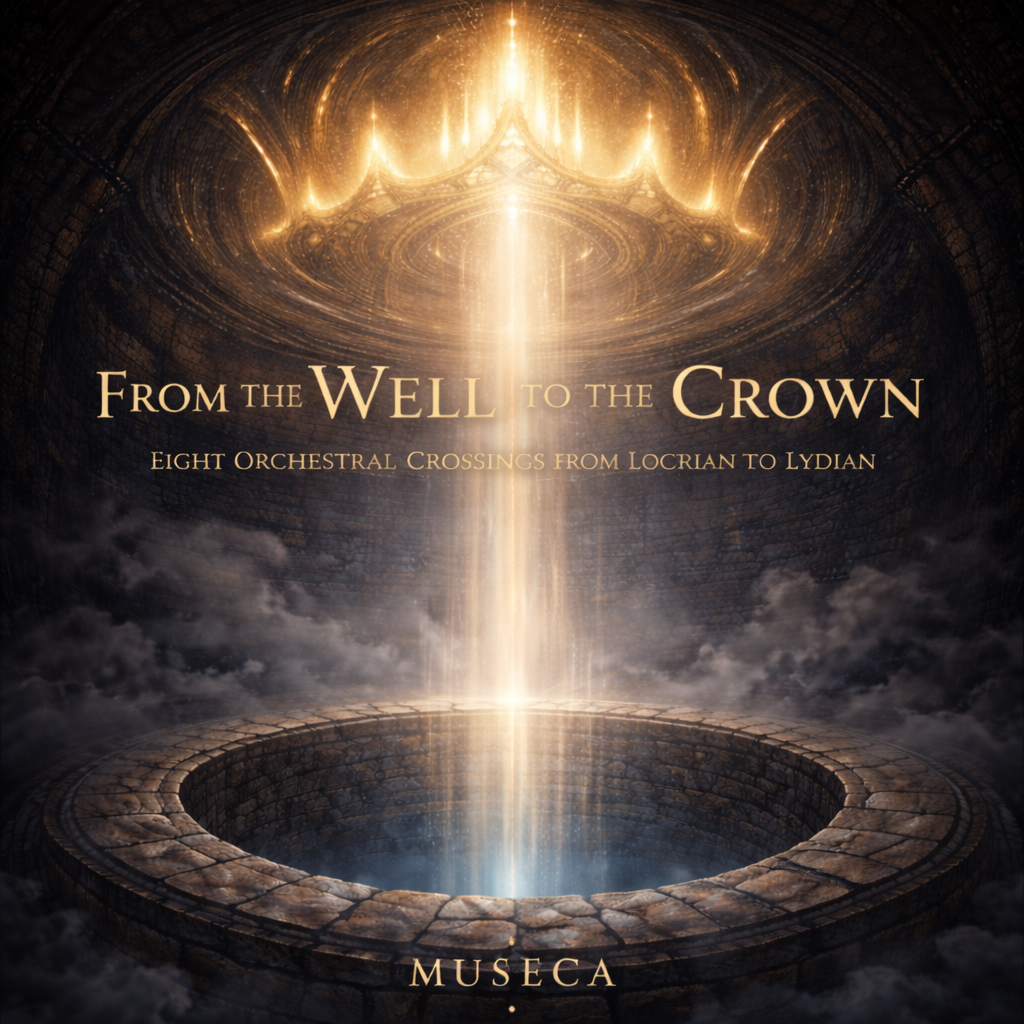
A six-movement modal ascent built on a single architectural conceit: each movement occupies a different rung of an inner journey from depth to elevation, and each rung is voiced through a specific modal world.

Studies, Technique & Craft
The companion to Volume I. Same core principle — independent voices creating meaning together — but moved into a more lyrical, poetic, and intimate world.

Studies, Technique & Craft
A study of the moment when technique becomes transcendence — the catch in the throat, the involuntary tears, the sensation that music has become too beautiful to bear.

Studies, Technique & Craft
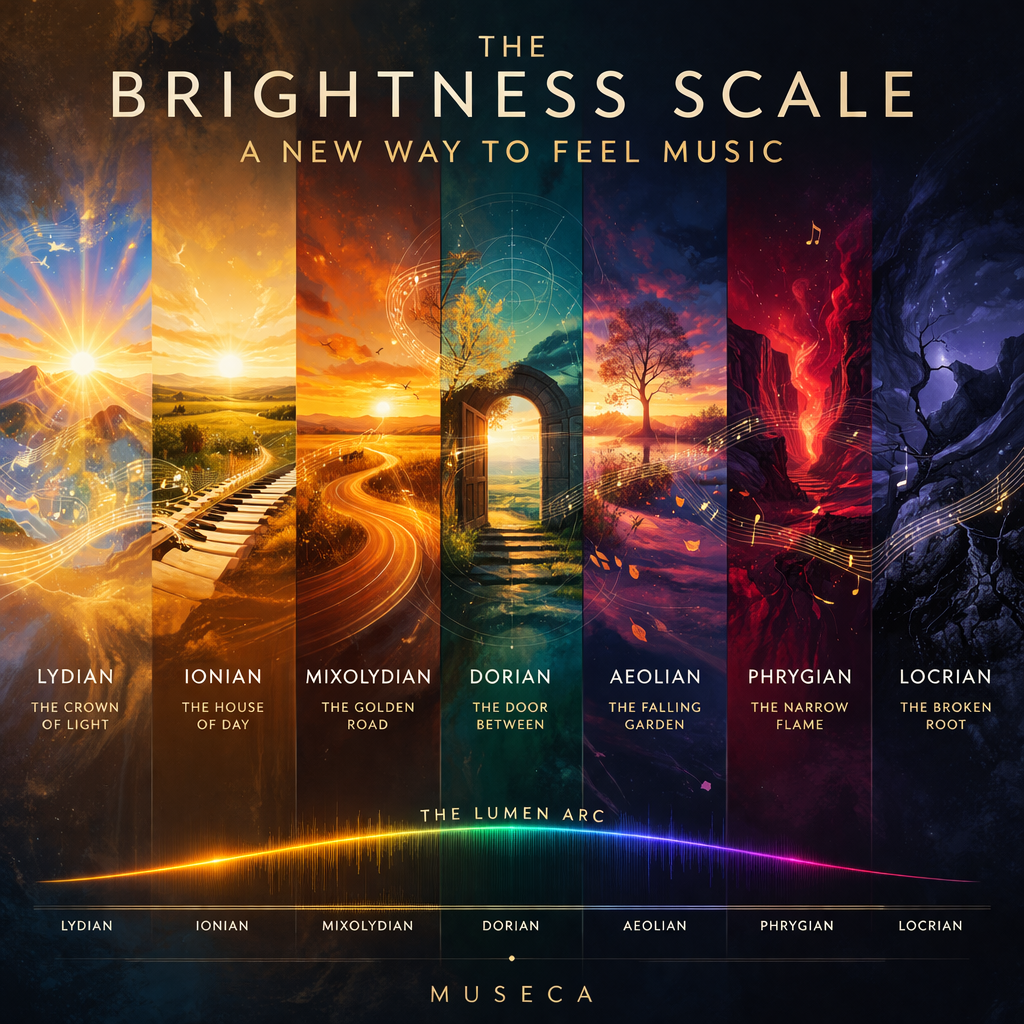
A practical listening model and compositional demonstration derived from The Lumen Arc — the seven diatonic modes reordered by perceived brightness rather than scalar rotation: Lydian → Ionian → Mixolydian → Dorian → Aeolian → Phrygian → Locrian.

Studies, Technique & Craft
A listening companion to the textbook The Color Wheel of Music. Not merely inspired by the book — the book rendered as sound.

Studies, Technique & Craft
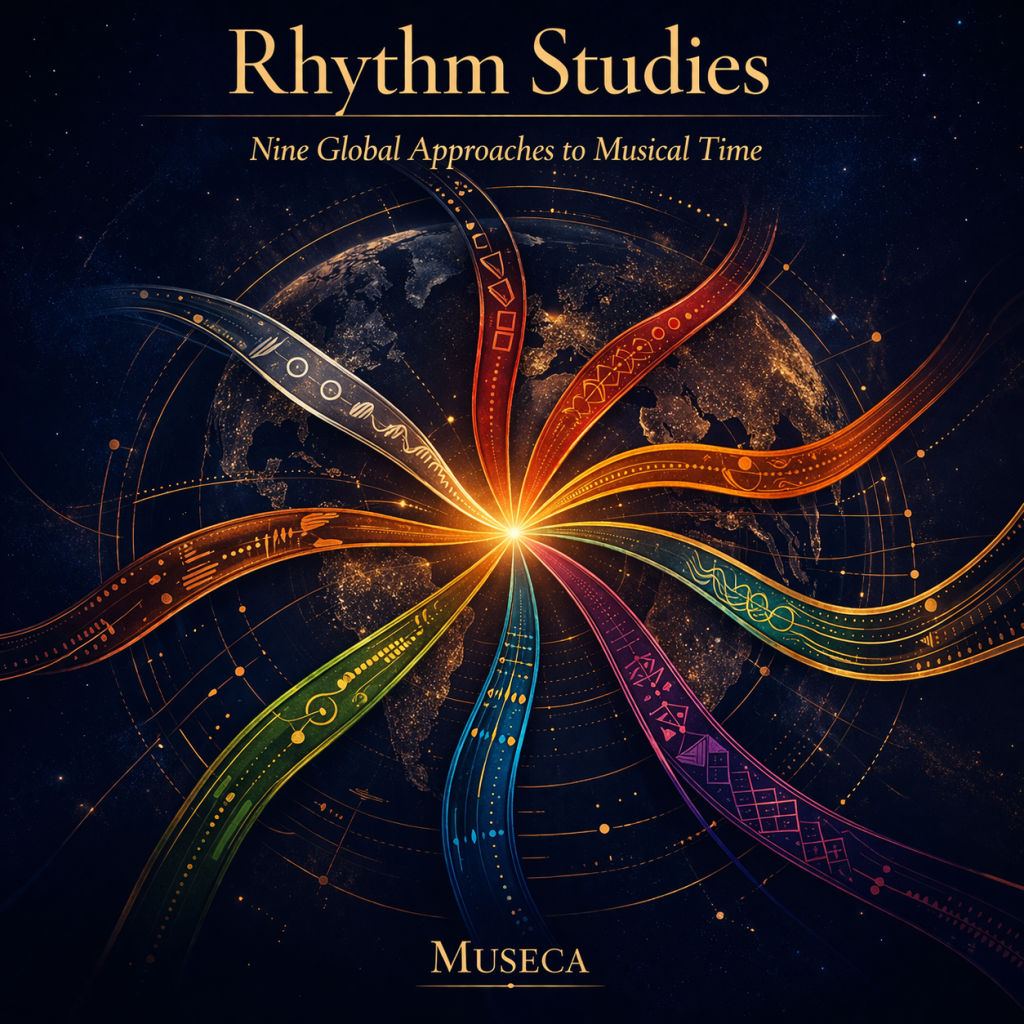
A Museca project devoted to exploring nine major rhythmic worlds through focused study and original composition.

Studies, Technique & Craft
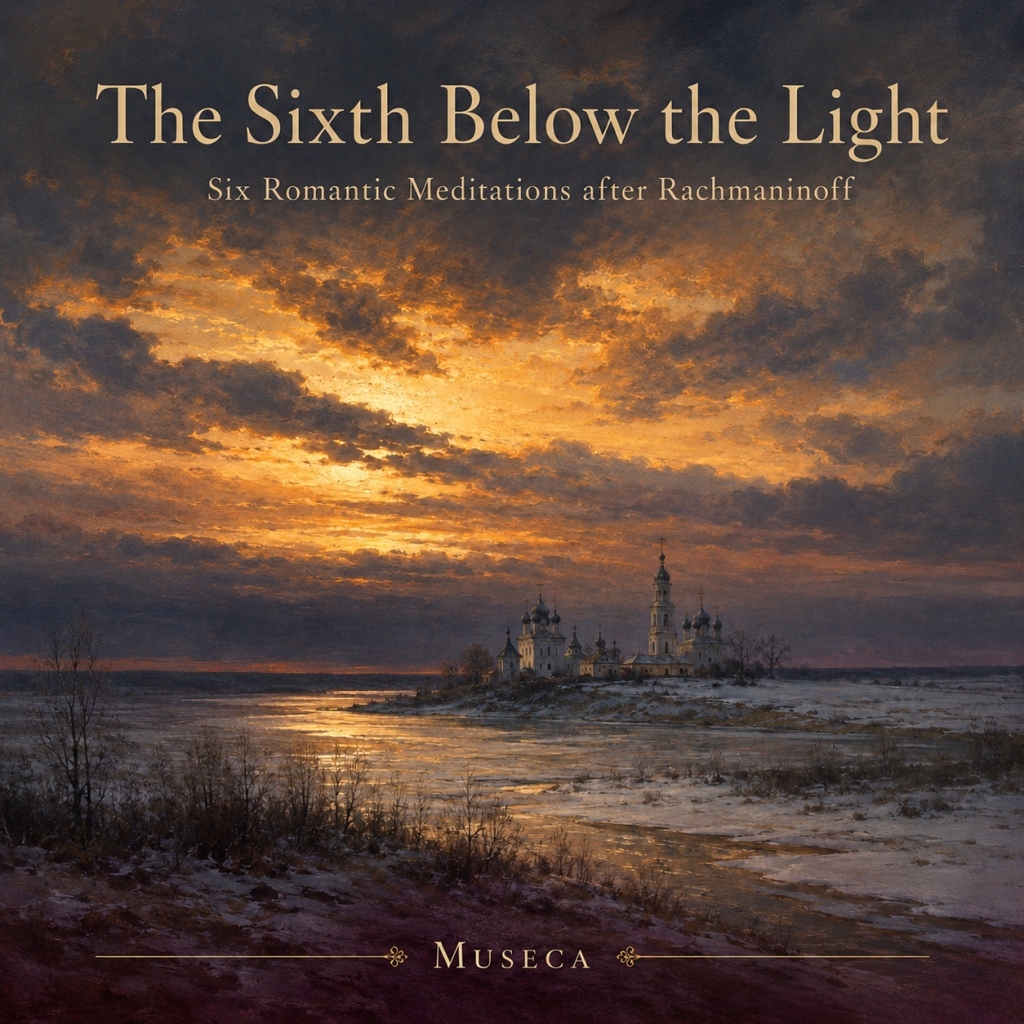
The Sixth Below the Light is a six-part piano-orchestral homage to Rachmaninoff’s art of wounded radiance—music where major-key beauty is deepened by the shadow of the lowered sixth.

Studies, Technique & Craft
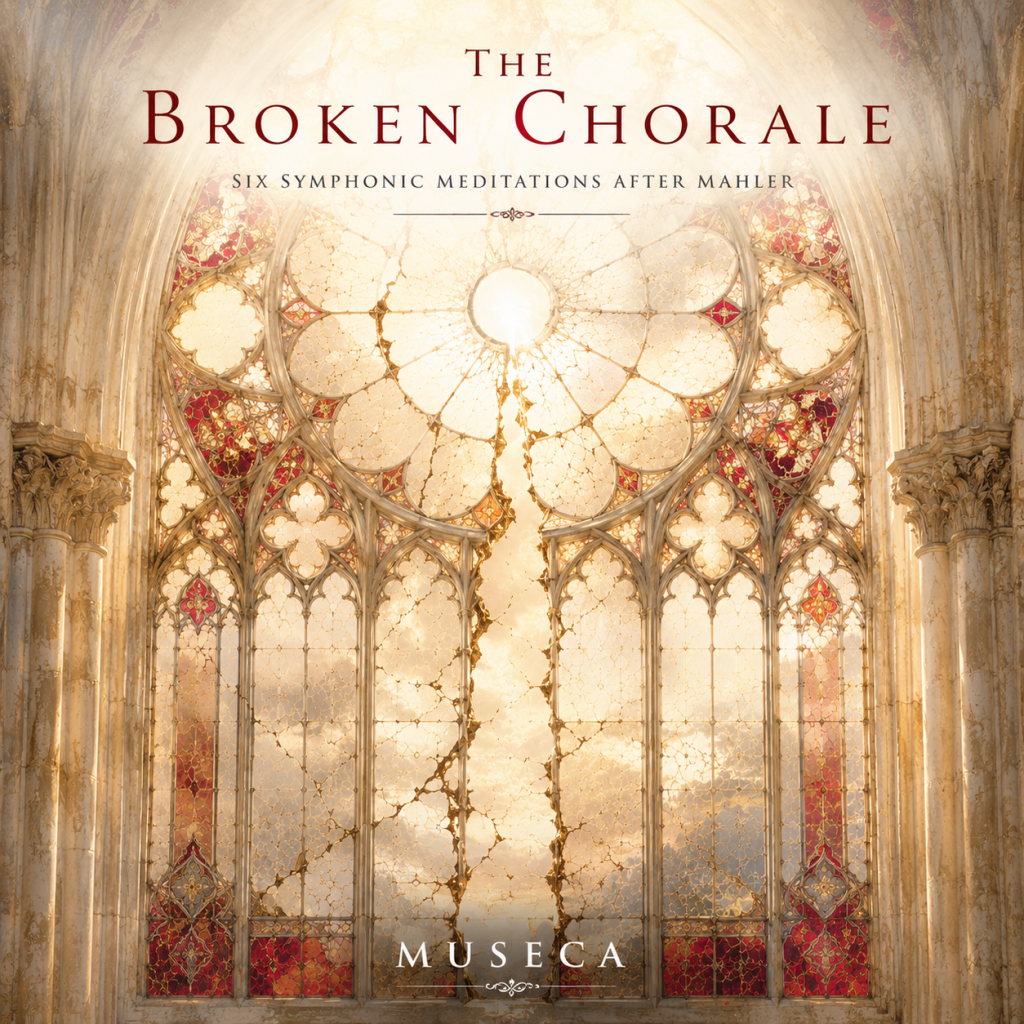
The Broken Chorale is a six-part symphonic meditation after Mahler, exploring the moment when music reaches toward transcendence but cannot remain whole.

Studies, Technique & Craft
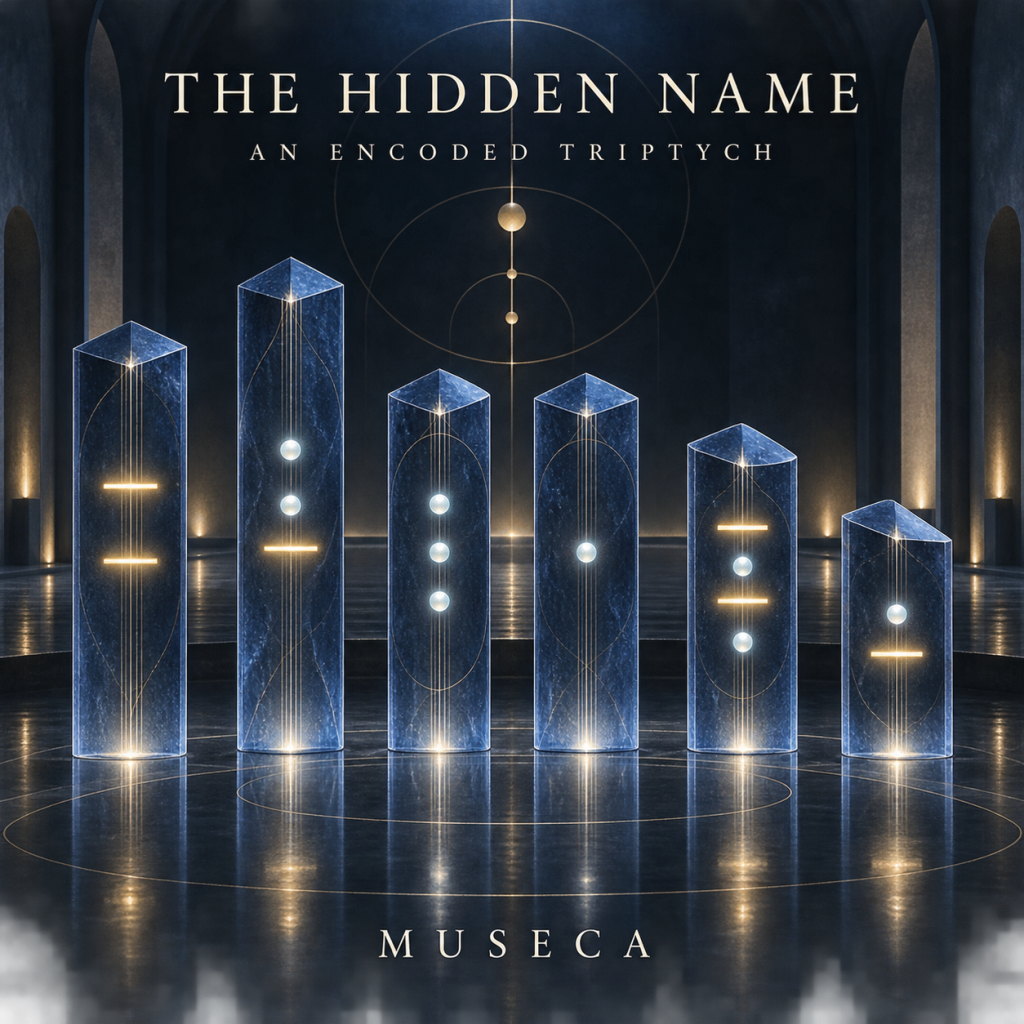
What happens when a name becomes music? The Hidden Name — An Encoded Triptych transforms the Morse spelling of MUSECA into rhythm, melody and form.

Modern Aesthetics & Reimagined Classical
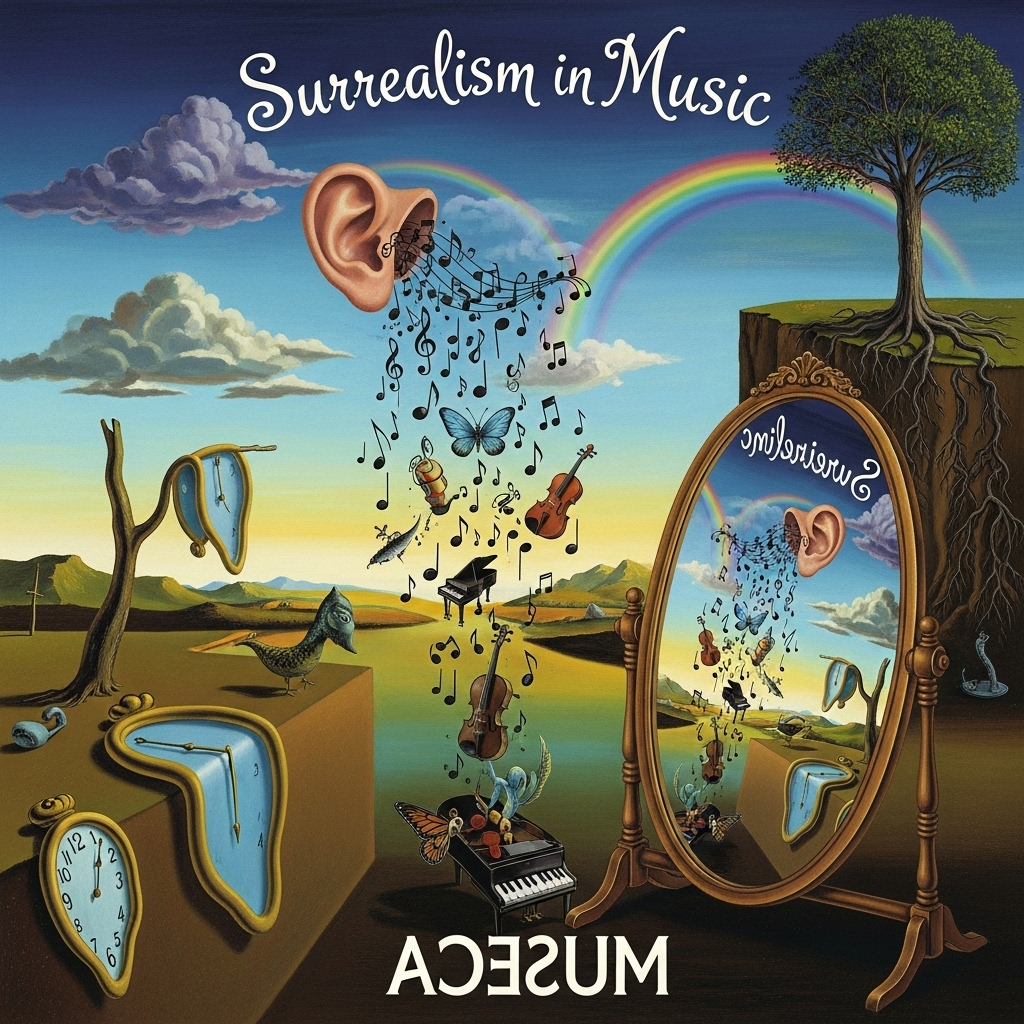
Music that reshapes perception itself — bending time, disrupting expectation, allowing sound to behave as memory and dream rather than structure and argument.

Modern Aesthetics & Reimagined Classical
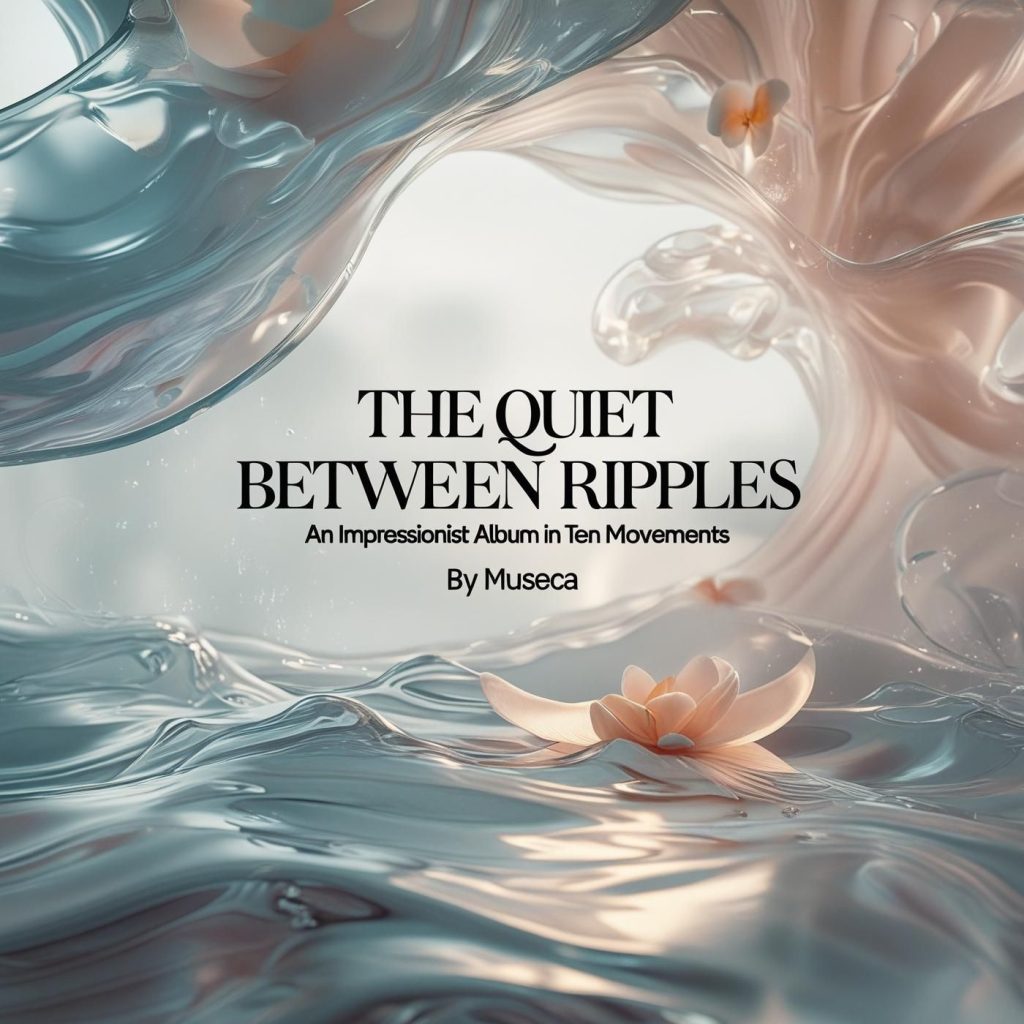
A meditation in ten movements composed in the spirit of the Impressionist masters — Debussy, Ravel, Satie, Boulanger — who knew that emotion lives not only in melody but in the spaces between phrases, the afterglow of harmony, the hush…

Modern Aesthetics & Reimagined Classical
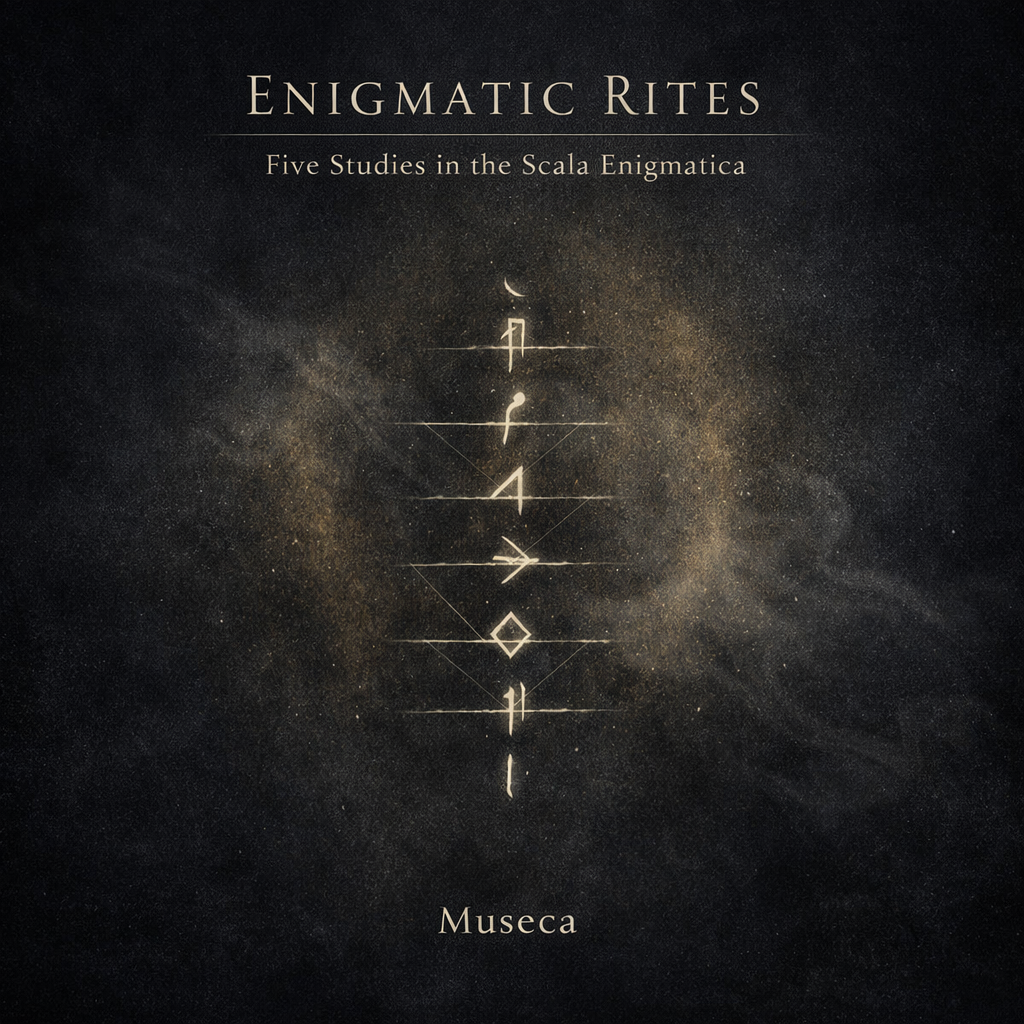
Music built on the Enigmatic scale (scala enigmatica) — the seven-note collection invented by Adolfo Crescentini in 1888 as a Milan compositional dare.

Modern Aesthetics & Reimagined Classical
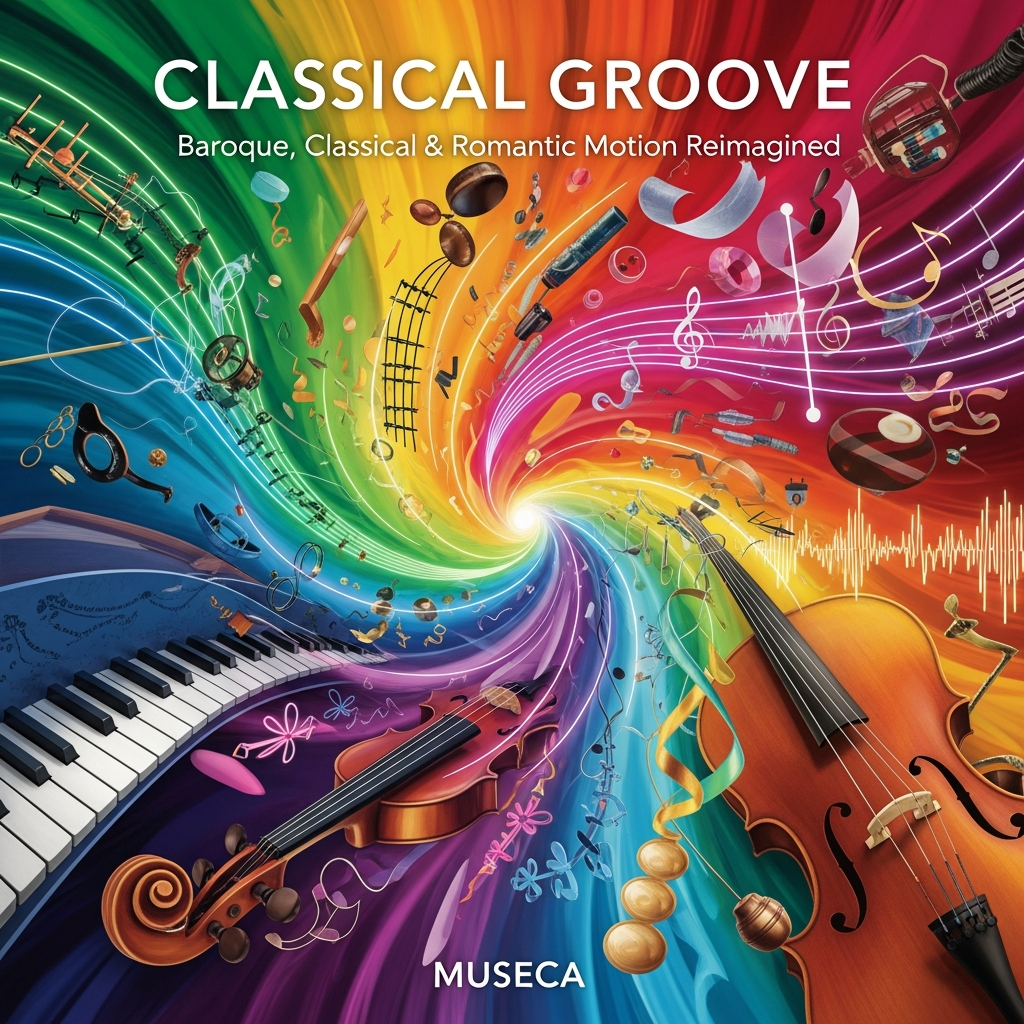
Reimagines the rhythmic DNA of Western classical music by placing it in dialogue with groove and contemporary rhythmic awareness.

Modern Aesthetics & Reimagined Classical
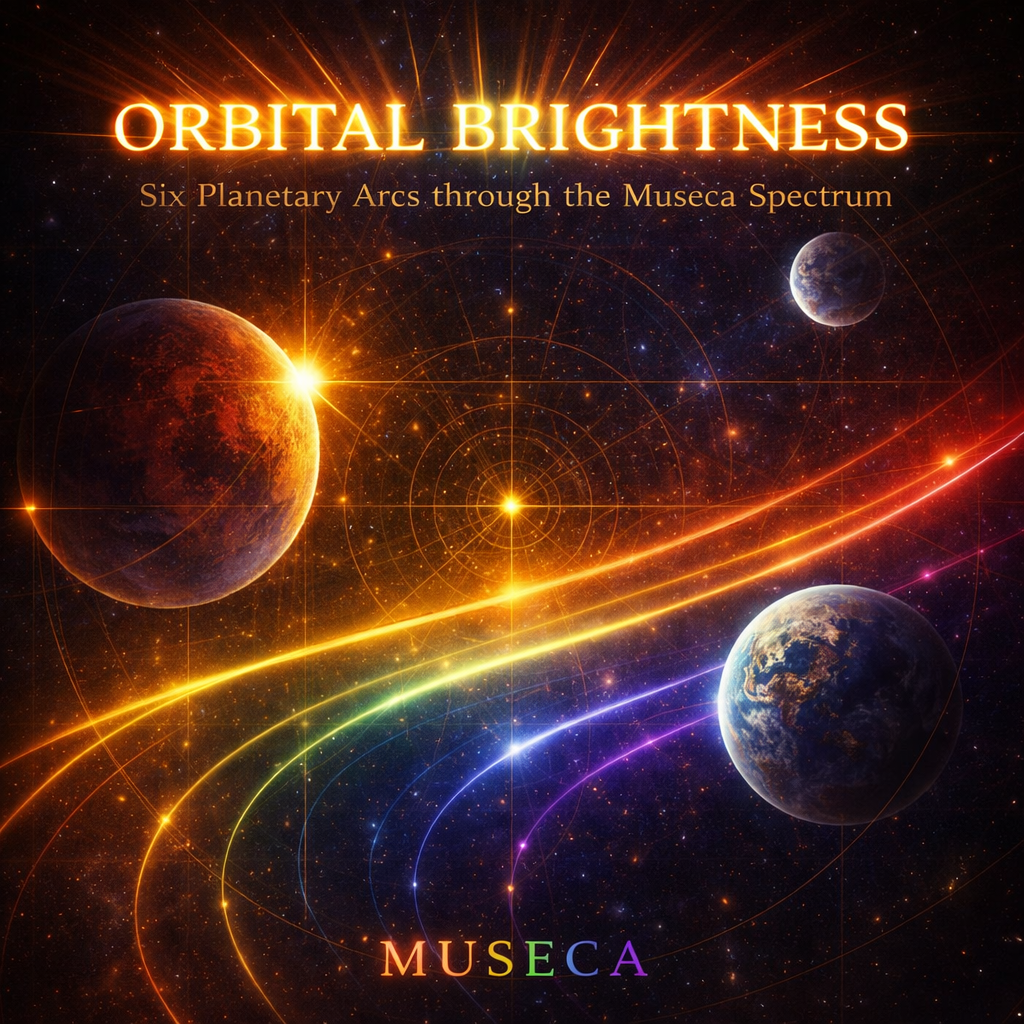
Begins as homage to Holst’s The Planets but takes its deeper origin from Kepler’s Harmonice Mundi (1619) — the work where Kepler argued that the world itself is structured by proportion: geometrical, musical, metaphysical, astrological, astronomical, spiritual.

Modern Aesthetics & Reimagined Classical
Takes the most recognizable material from the first movements of Bach’s six Brandenburg Concertos and places it in an entirely different emotional climate.
Try a broader search, choose another section, or return to the complete collection.