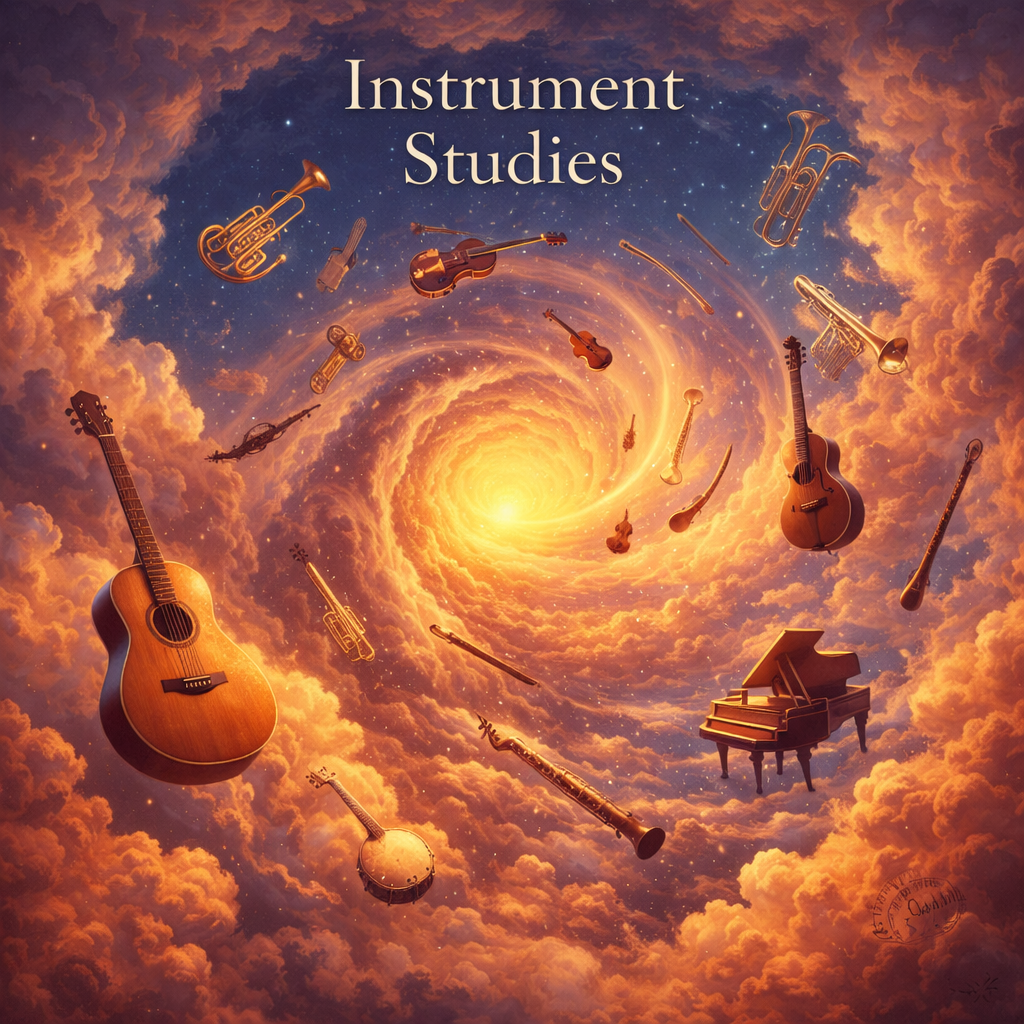
Instrument Studies is where Museca explores the personality of sound itself. Each album highlights instruments—solo or in curated combinations—revealing their color, range, and expressive possibilities through focused writing and carefully designed textures.
Instrument Pairing Studies
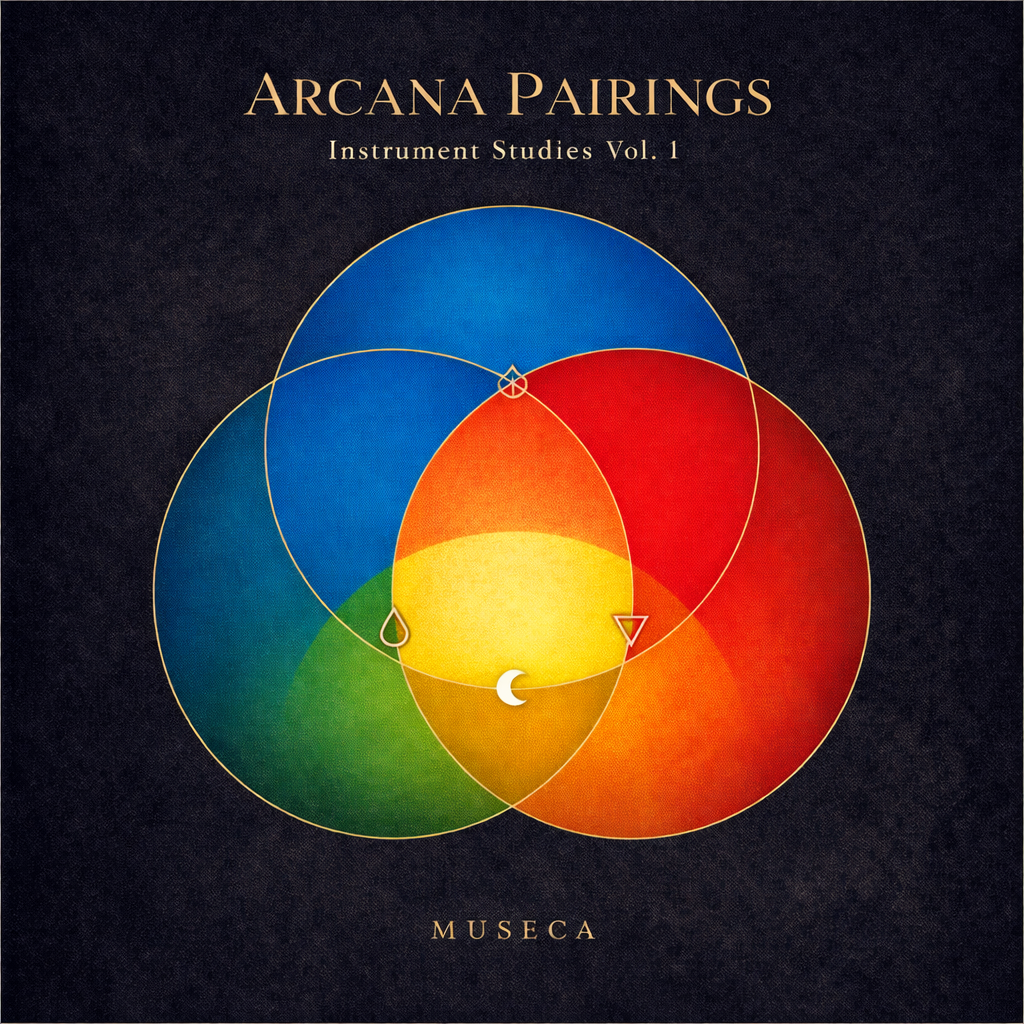
Ten timbre-first studies pairing unusual instrumental partners — shakuhachi against viola, duduk over frame drum, koto with bass clarinet, mbira with muted string quartet. Not ethnographic survey but timbre laboratory, where unfamiliar voices fuse into a third, more interesting identity. A cabinet of curated chambers.
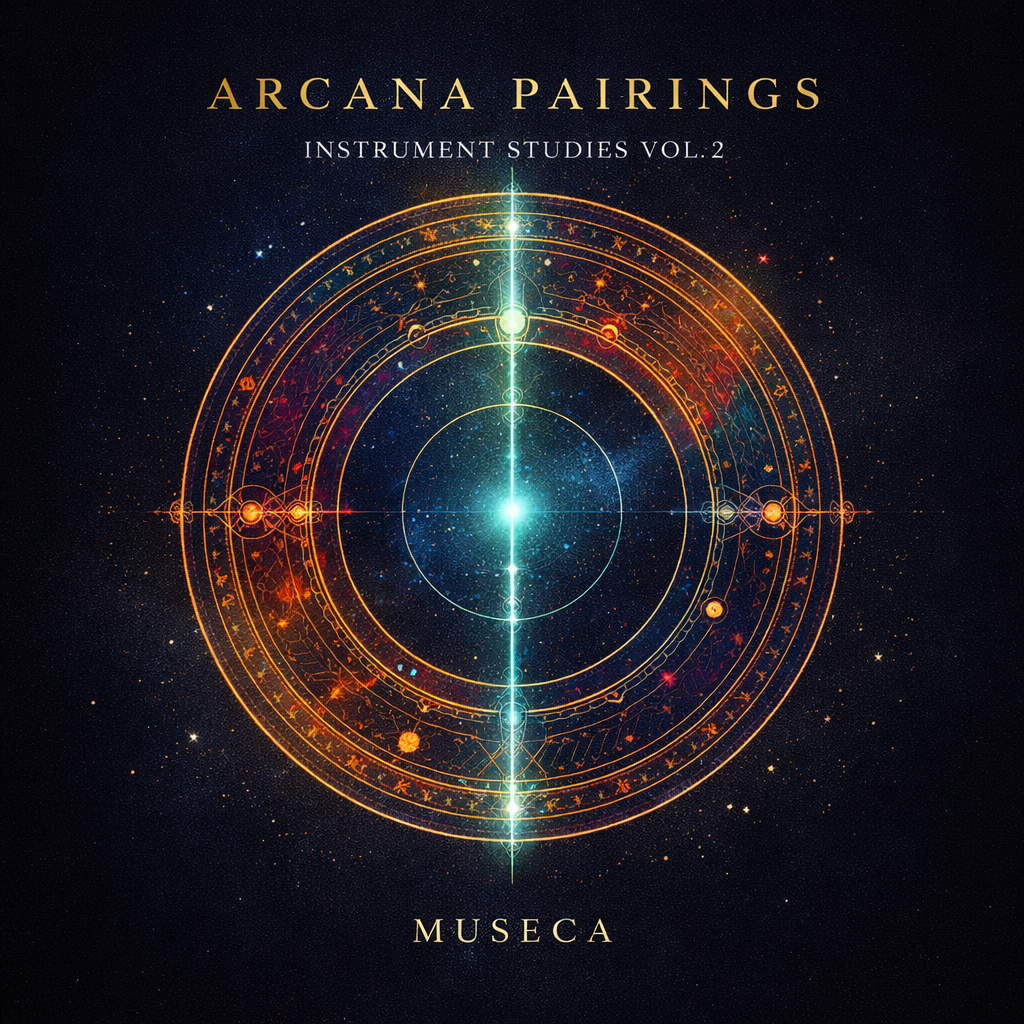
Ten further pairing experiments expanding the palette deeper and stranger: bass flute with contrabassoon and celesta, glass harmonica with viola da gamba, ondes Martenot against bass trombone and bowed cymbal. Lost ensembles resurrected in modern rooms — pairing as composition, timbre as narrative.
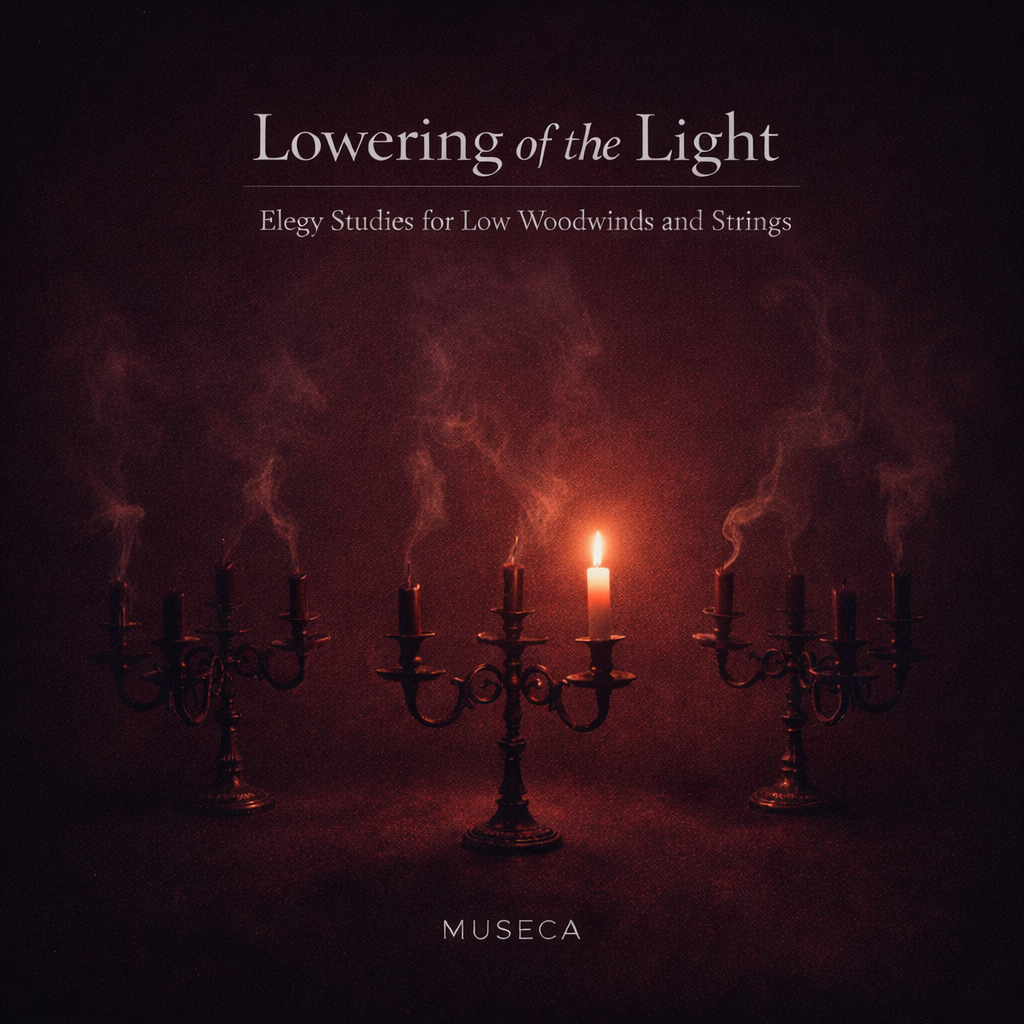
Six elegies for the lowest, most human registers of the orchestra. Bassoon joined to cellos as a single descending thought, English horn against the violin halo, parallel clarinet–bassoon lament over muted strings. Grief made physical without becoming theatrical — a controlled dimming, not a collapse.
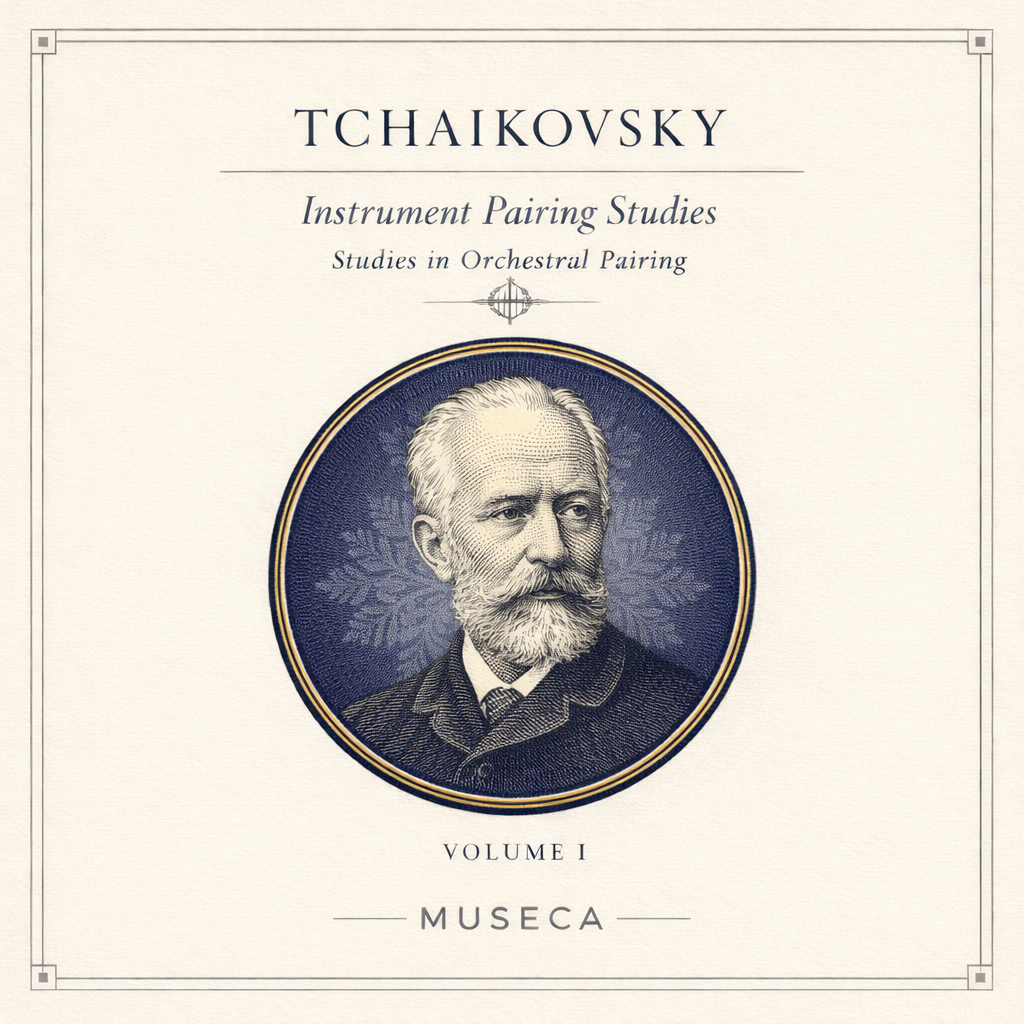
Eight original studies in Tchaikovsky’s signature orchestral blends. Horns welded to cellos for fate, low clarinet fused with violas for confession, oboe with violin halo for lyric tenderness, bassoon braided into low strings for grief. An orchestration atlas of the recipes that made his melodies unforgettable.
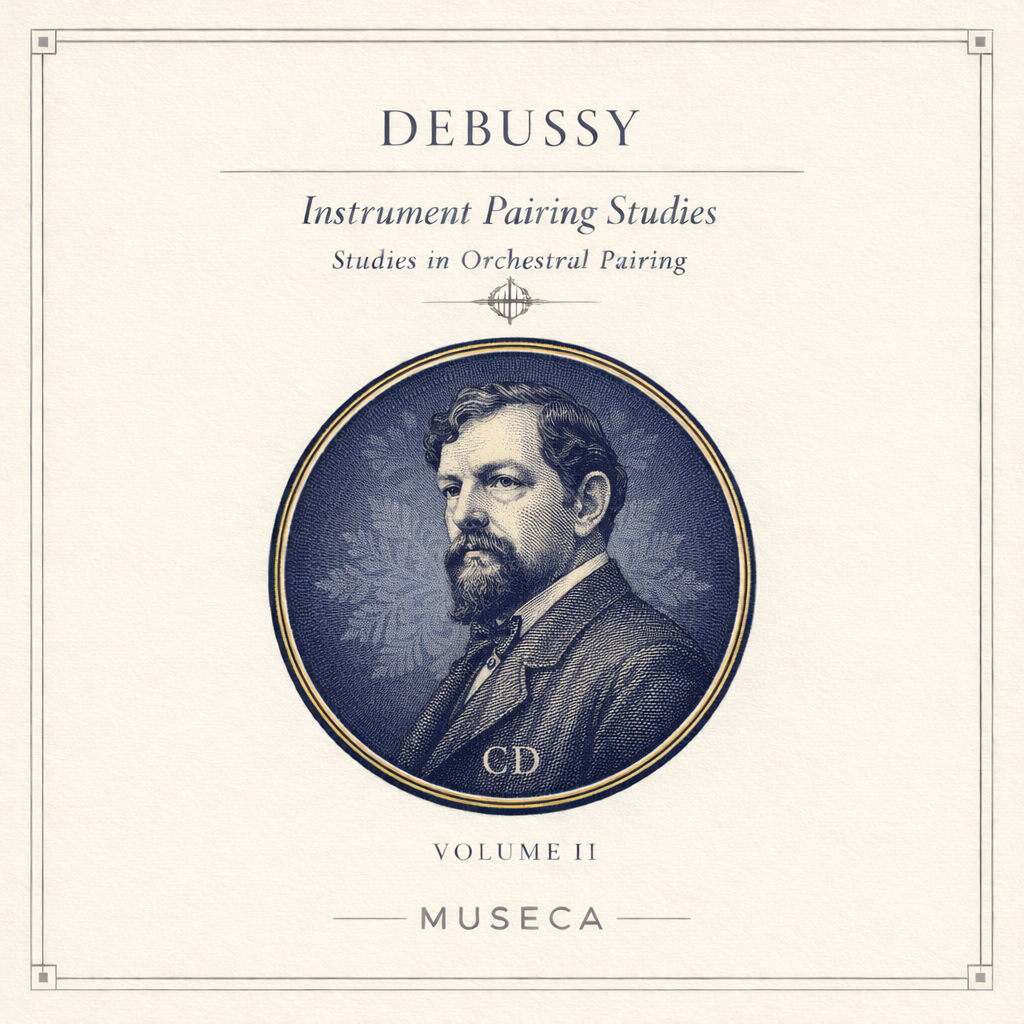
Eight original studies in Debussy’s translucent orchestral logic. Flute braided with harp for sea-mist, English horn against low strings for distant ache, wind-choir blooms like stained glass, bass clarinet and contrabassoon dissolving into night. Sound as atmosphere; harmony as light.
Keyboards
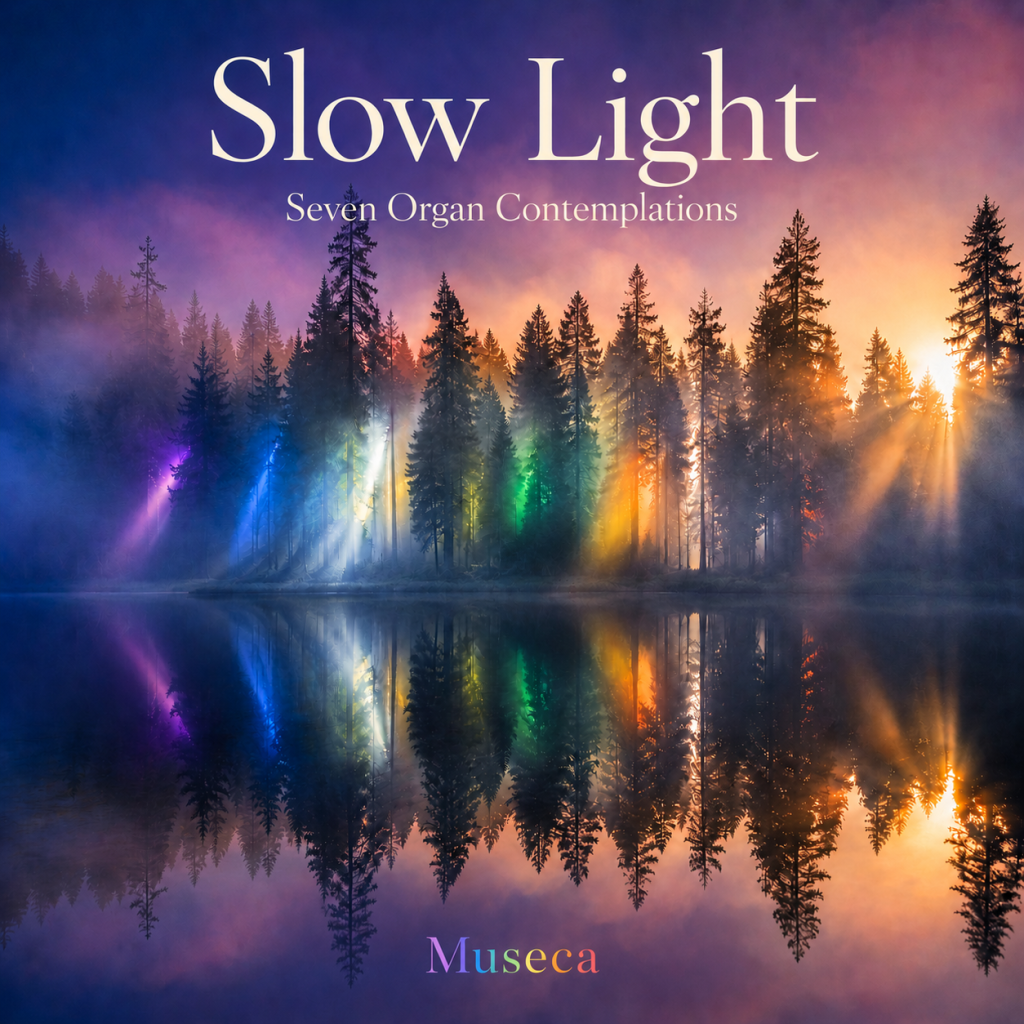
Seven contemplations. Seven voices of the organ. Slow Light moves through chillout neoclassical territory — Hammond B-3, pipe organ, hybrid synth-organ — finding the organ as it has rarely been heard: not cathedral but conversation, the slow light of the late afternoon.
Electronic / Rare Instruments
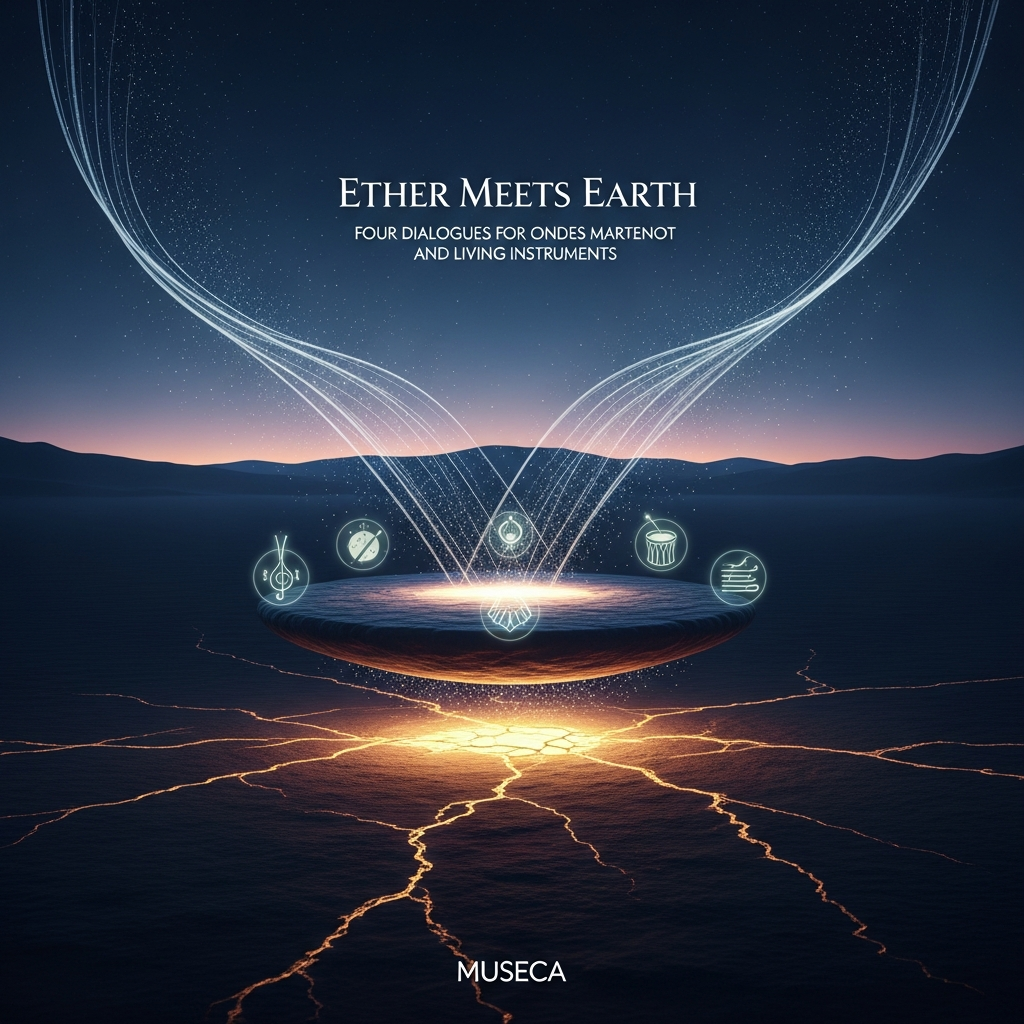
Four pieces placing the ondes Martenot — invented in 1928, the voice of Messiaen’s sacred — in conversation with pedal steel, taiko, Afrobeat groove, and handpan. Not fusion but dialogue: each tradition remains itself while listening deeply to the other. Music that feels ancient and futuristic at once.
Free-Reed (Accordion)
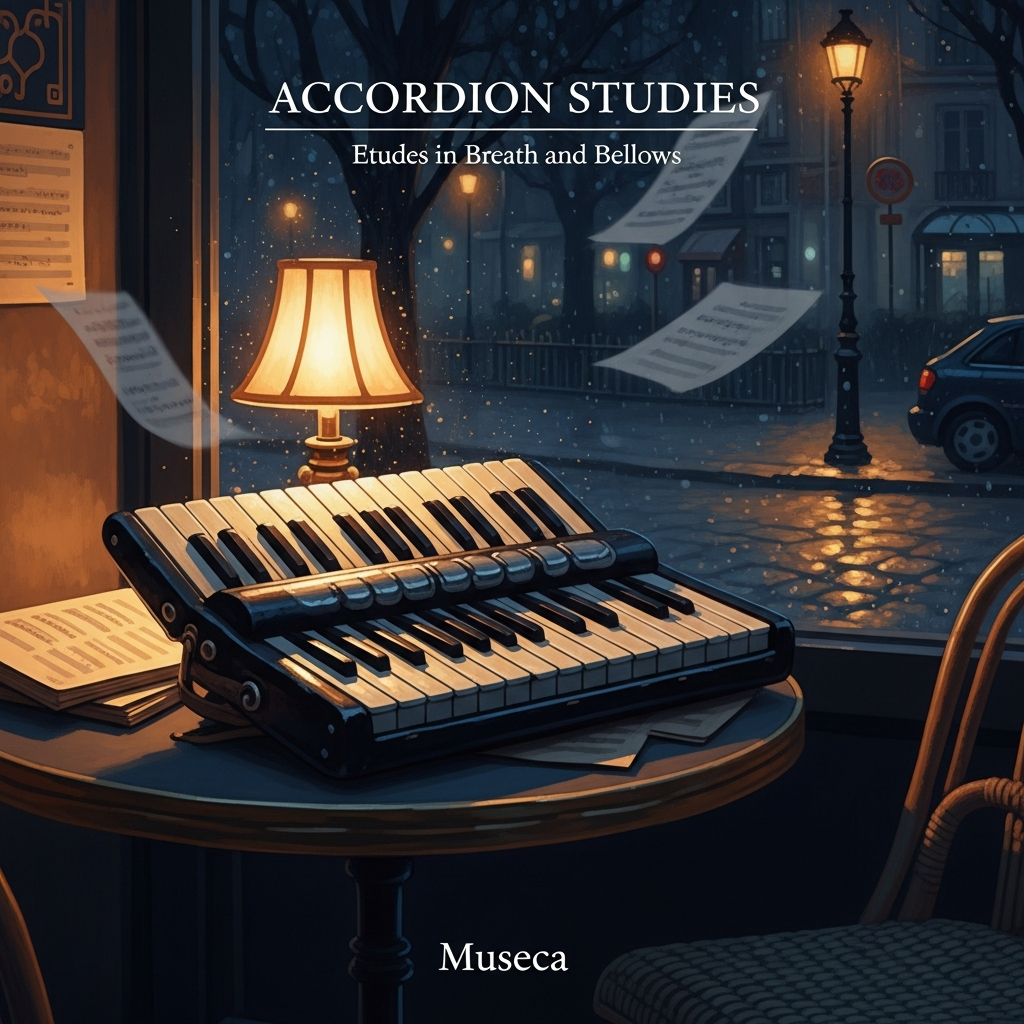
Ten focused etudes on the accordion as instrument and storyteller. Paris musette, noir cue, manouche swing, free-bass chamber writing, nuevo tango — each track isolating a single truth of accordion writing (registration, bellows, Stradella motion, ornament craft). One motif, many masks, held by the same breath.
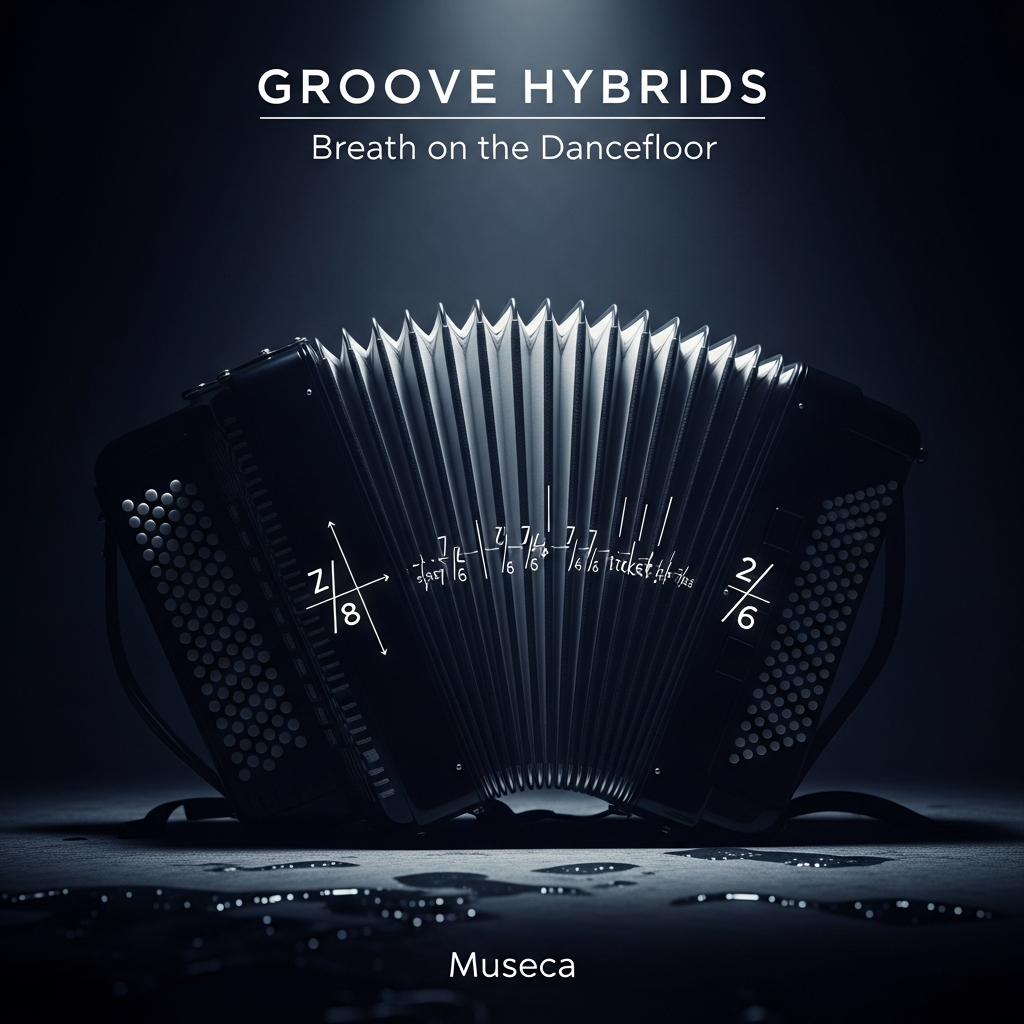
Ten tracks reintroducing the accordion as a modern rhythmic engine. Afro-house chops, noir-funk stabs, Balkan house in 7/8 over four, UKG 2-step bellows hooks, Afro-Cuban montuno. Less heritage instrument, more signature hook — proof the accordion can drive a club mix without disguise.
Mallet Percussion
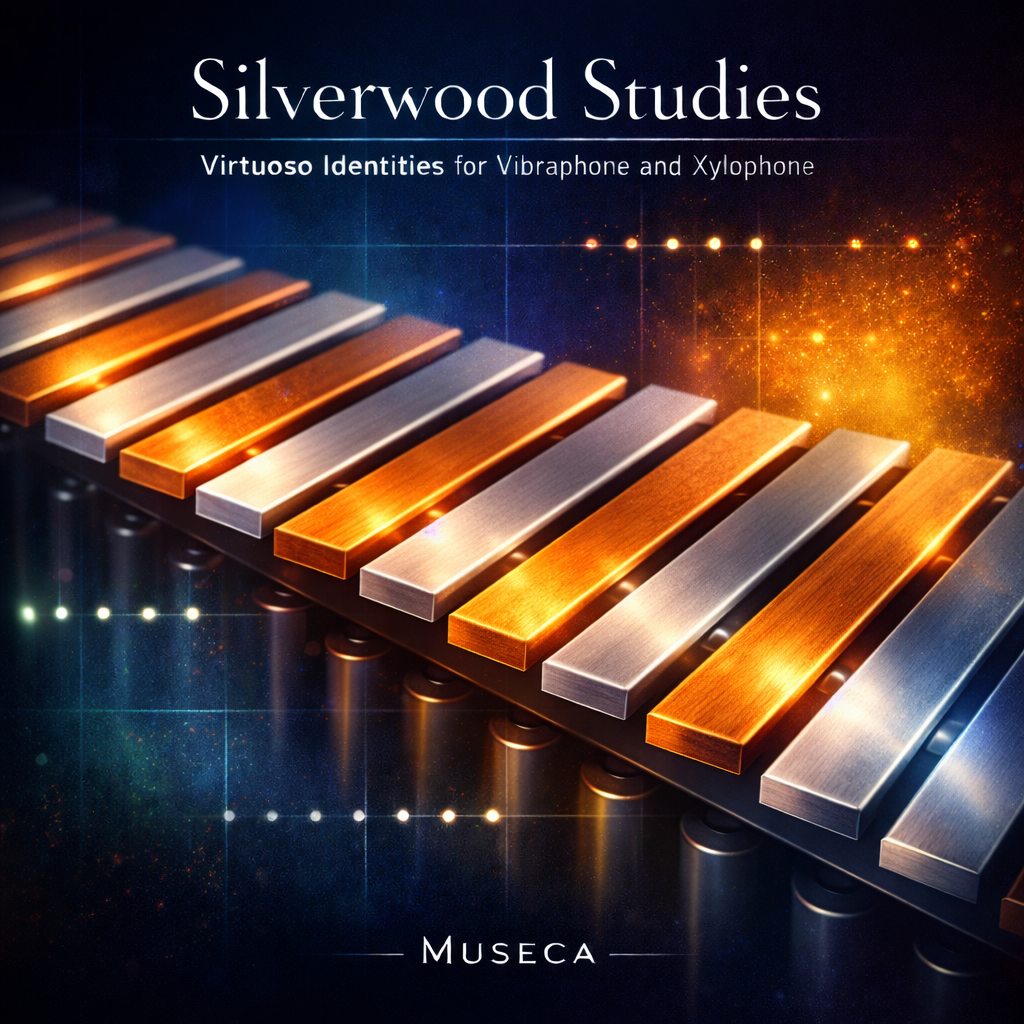
Eight tracks placing vibraphone and xylophone at the center of Afro-House and Afro-Bossa House grooves. The vibraphone as voice of resonance — chandelier to the floor’s pulse; the xylophone as voice of clarity — hook engine in 3-3-2 phrasing. Acoustic instruments speaking fluently inside modern club forms.
Plucked Strings
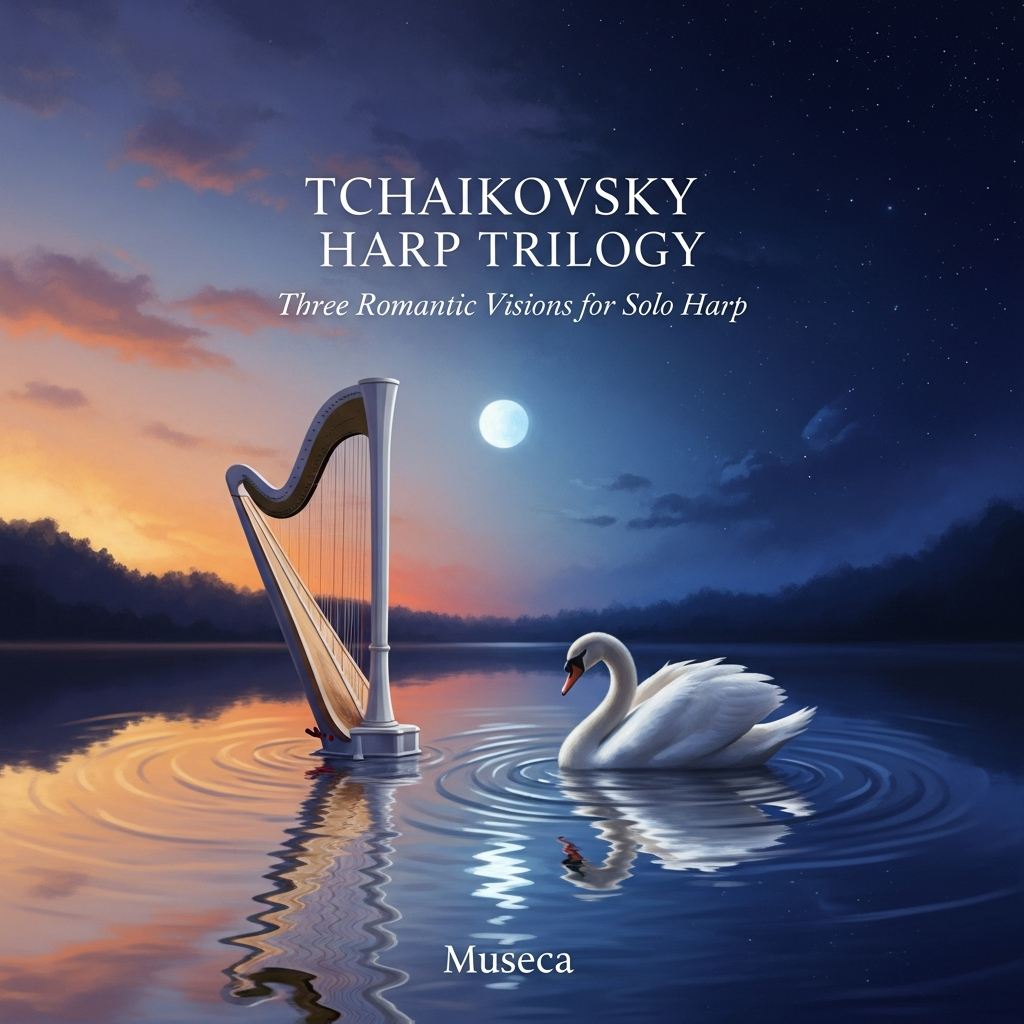
Three meditations distilling Tchaikovsky’s symphonic world into the solitary breath of a single instrument. Ballad for the Sleeping Swan in D-flat major, The Waltz of Memory in G major, Nocturne of the Fallen Swan in B minor. Love remembered, love idealized, love transcended.
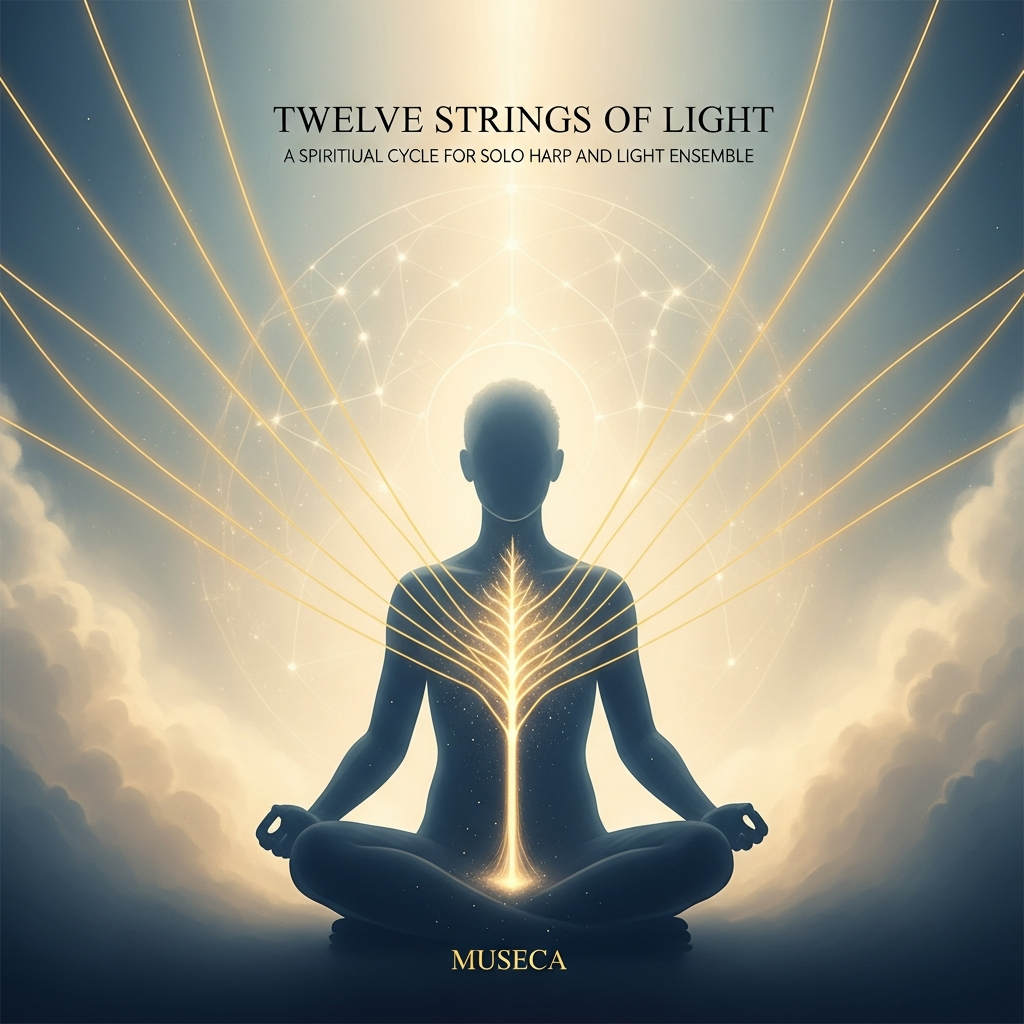
Twelve inner movements mapped not by distance but by depth — awakening, longing, grief, wonder, gratitude, courage, peace, ascent. Solo harp accompanied by cello, flute, ambient texture, and elemental wind. Not meant to impress, meant to hold. A bonus ballet-spirited Aurora in Motion closes.
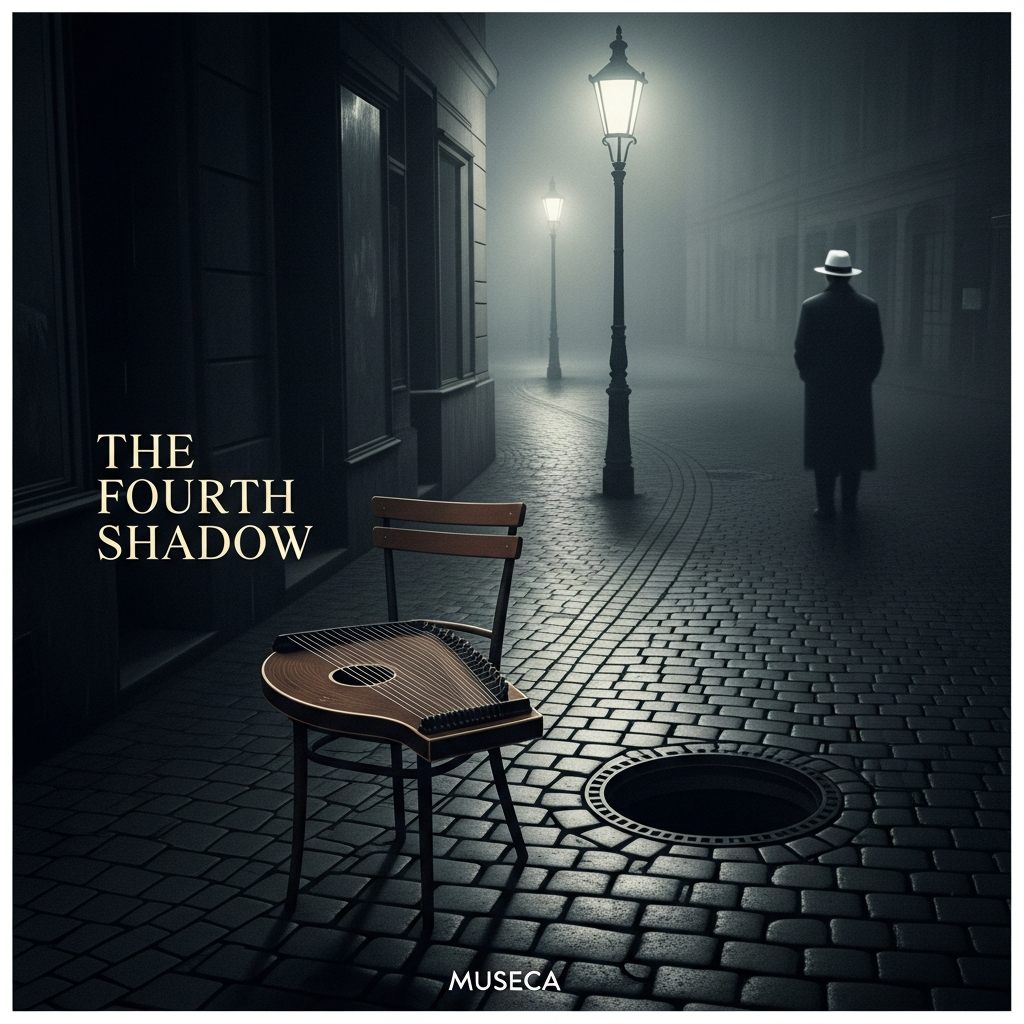
Eight scenes for solo concert zither, written as a film score for a movie that never existed. A whispered continuation of Anton Karas’s Third Man legacy: telegrams, ferris wheels, sewer footsteps, clockmaker’s waltzes. Melodies that lie as gently as they confess.
Brass Instruments
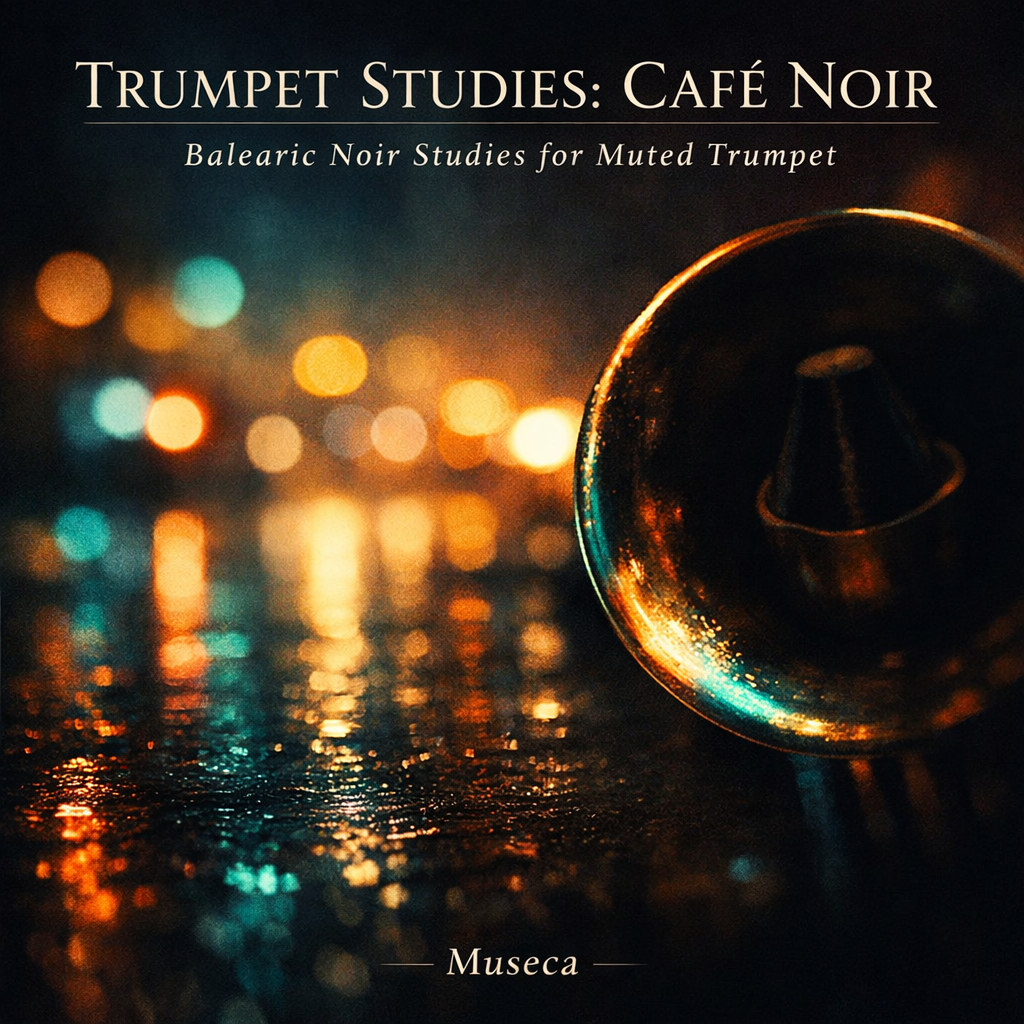
Six muted-trumpet studies in Balearic chillout space, with Miles Davis’s Ascenseur pour l’échafaud as cinematic north star. Trumpet as private narrator rather than fanfare voice — close-miked, behind the beat, entering only when there’s something to confess. Light catching on wet pavement.
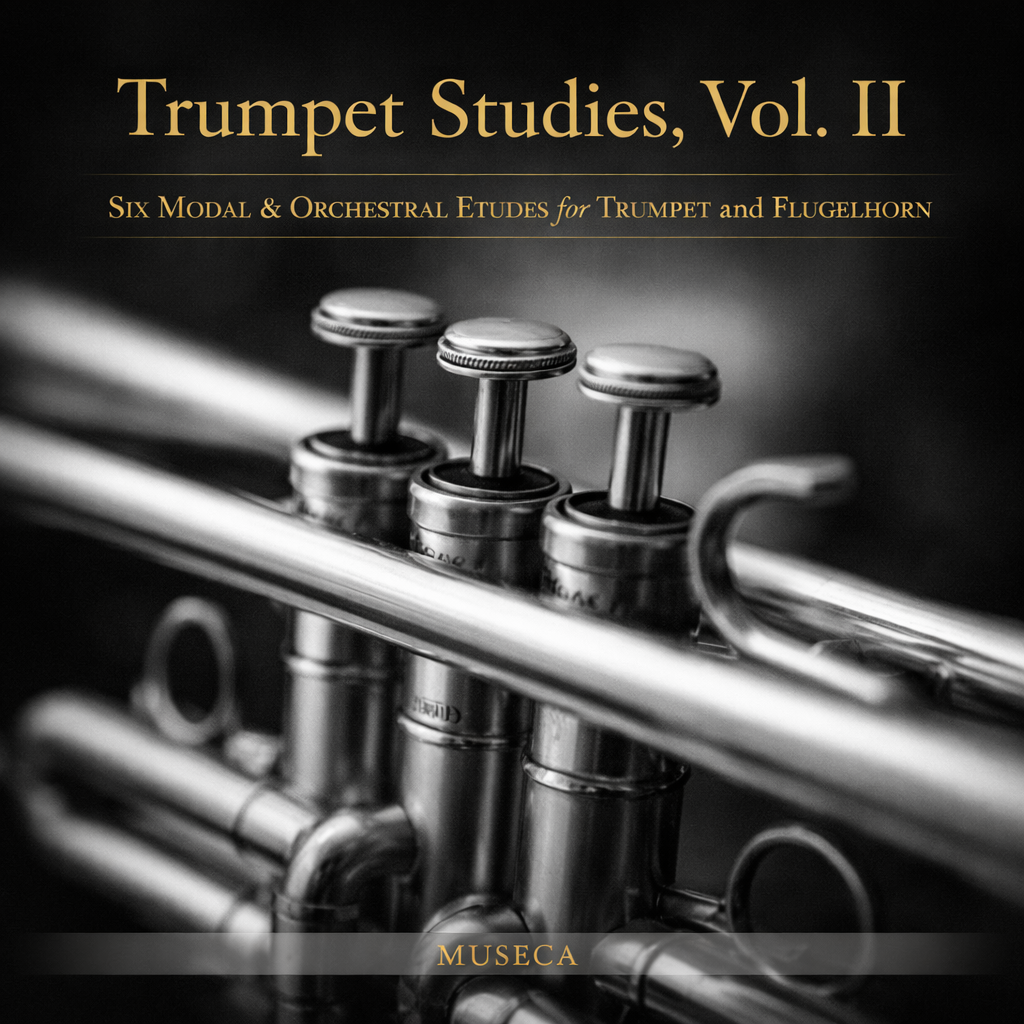
Six disciplined etudes built on two technique pillars: modal economy from Kind of Blue and orchestral lyricism from Sketches of Spain. 2-5 note cells developed by variation rather than addition; long-breath phrases inside ceremonial space. A method book written in sound.
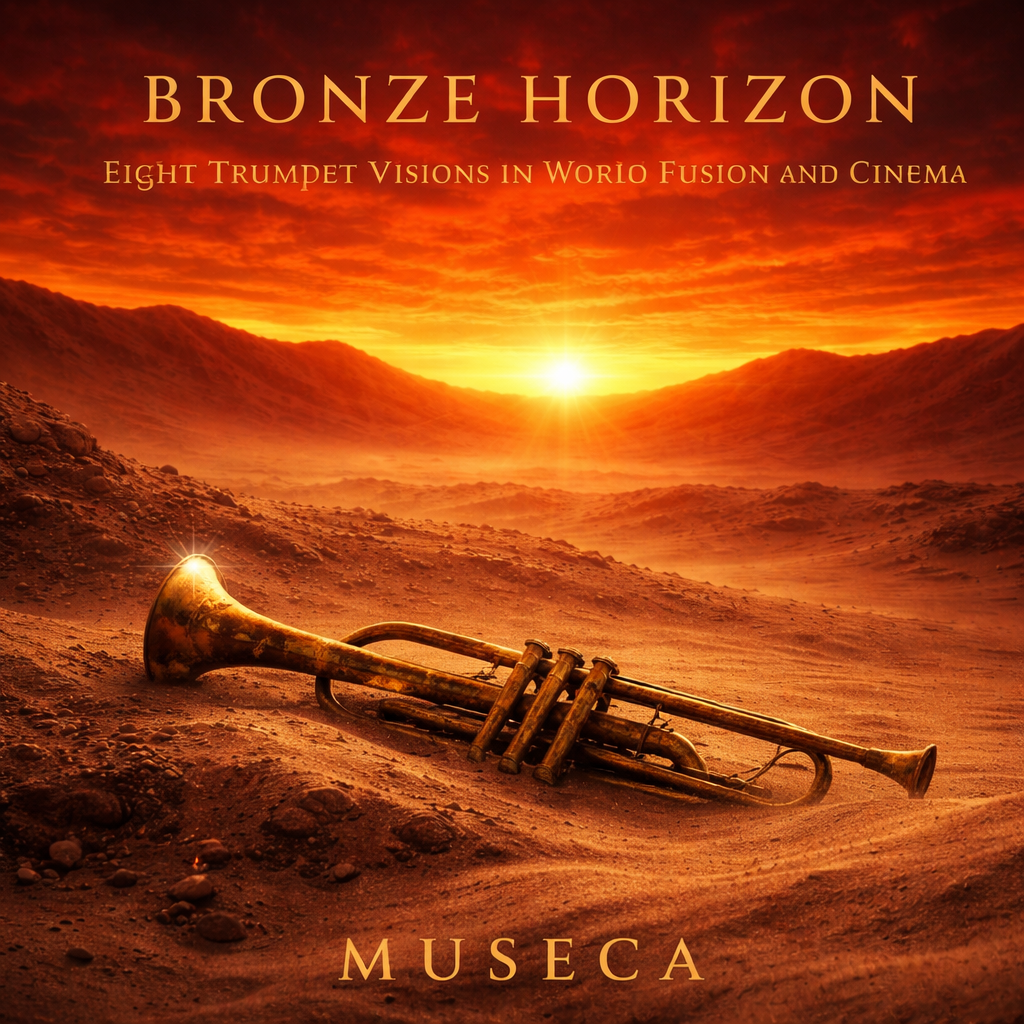
Eleven tracks on a trumpet-led arc through eight states: Gate → Prayer → Journey → Horizon → Crossing → Distance → Elevation → Crown. World fusion provides the ground (oud, ney, frame drum, drone), cinematic writing provides the horizon. Ritual earth meets cinematic sky.
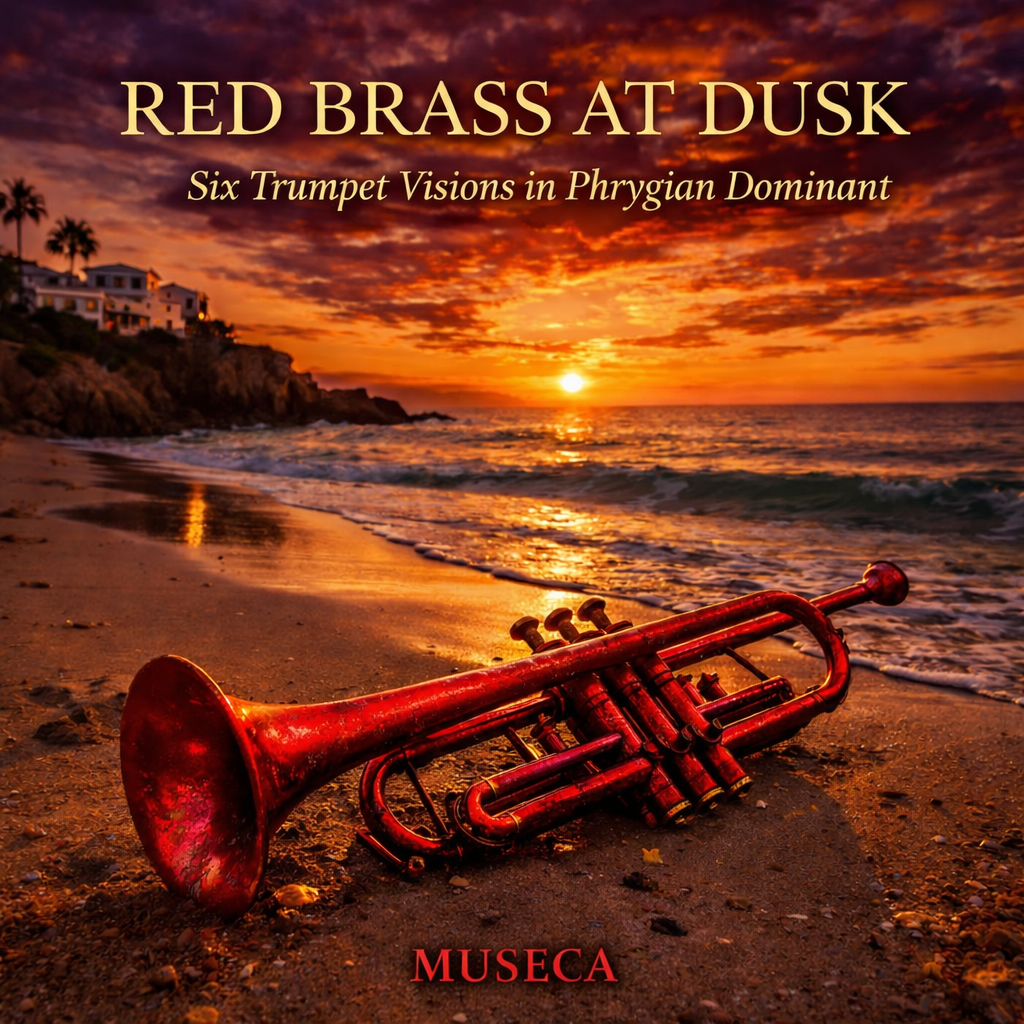
Six trumpet-centered pieces in Phrygian dominant. Flamenco guitar, frame drum, darbuka, bass drone, and cinematic pads frame the trumpet as ceremonial voice — declarative, wounded, radiant by turns. A unified modal arc through threshold, ember, horizon, and flame.
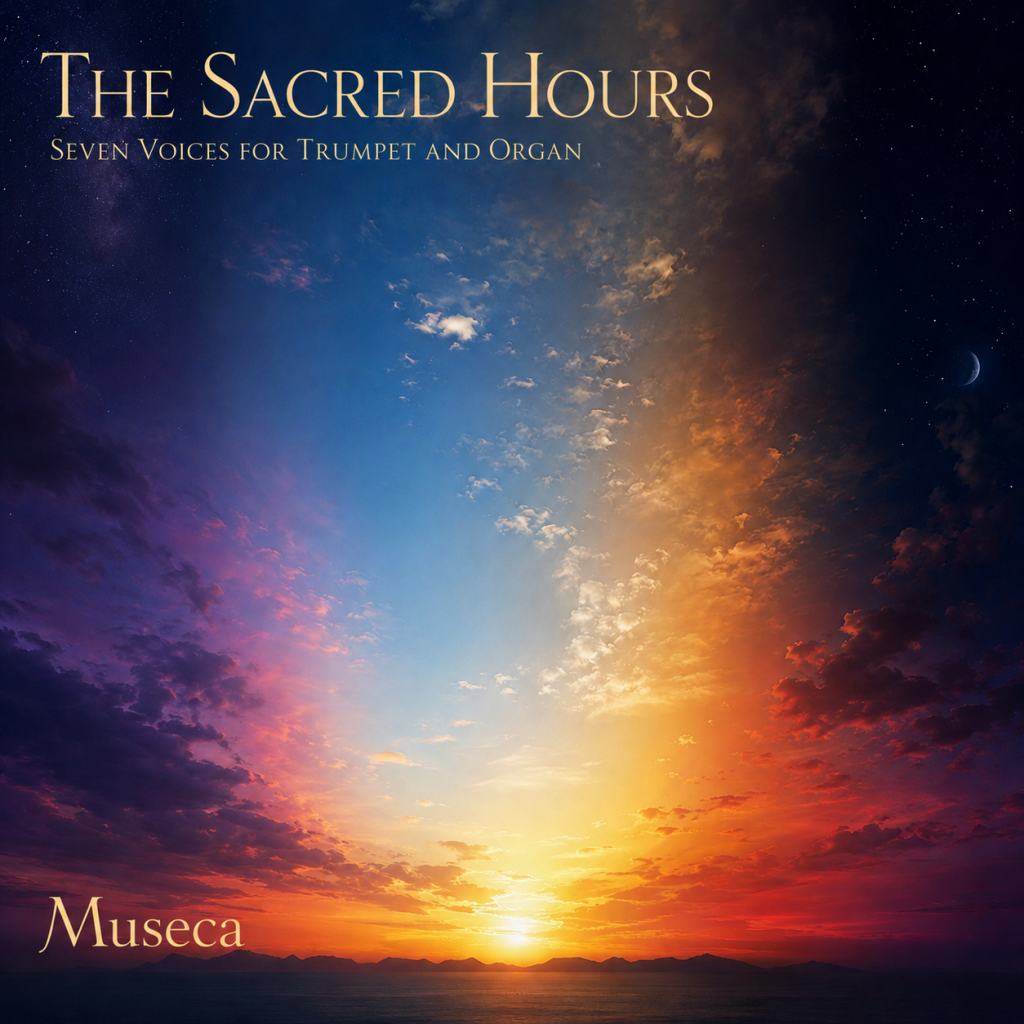
Seven hours. Seven voices. One contemplative day. A monastic day scored for trumpet and pipe organ over a soft Café del Mar chillout bed — the trumpet singing in a different voice at every hour, from a Harmon-muted pre-dawn vigil to the bugler’s Last Post farewell at night. Sacred meets sunset. Cathedral meets Ibiza. The day in seven voices.
Woodwinds
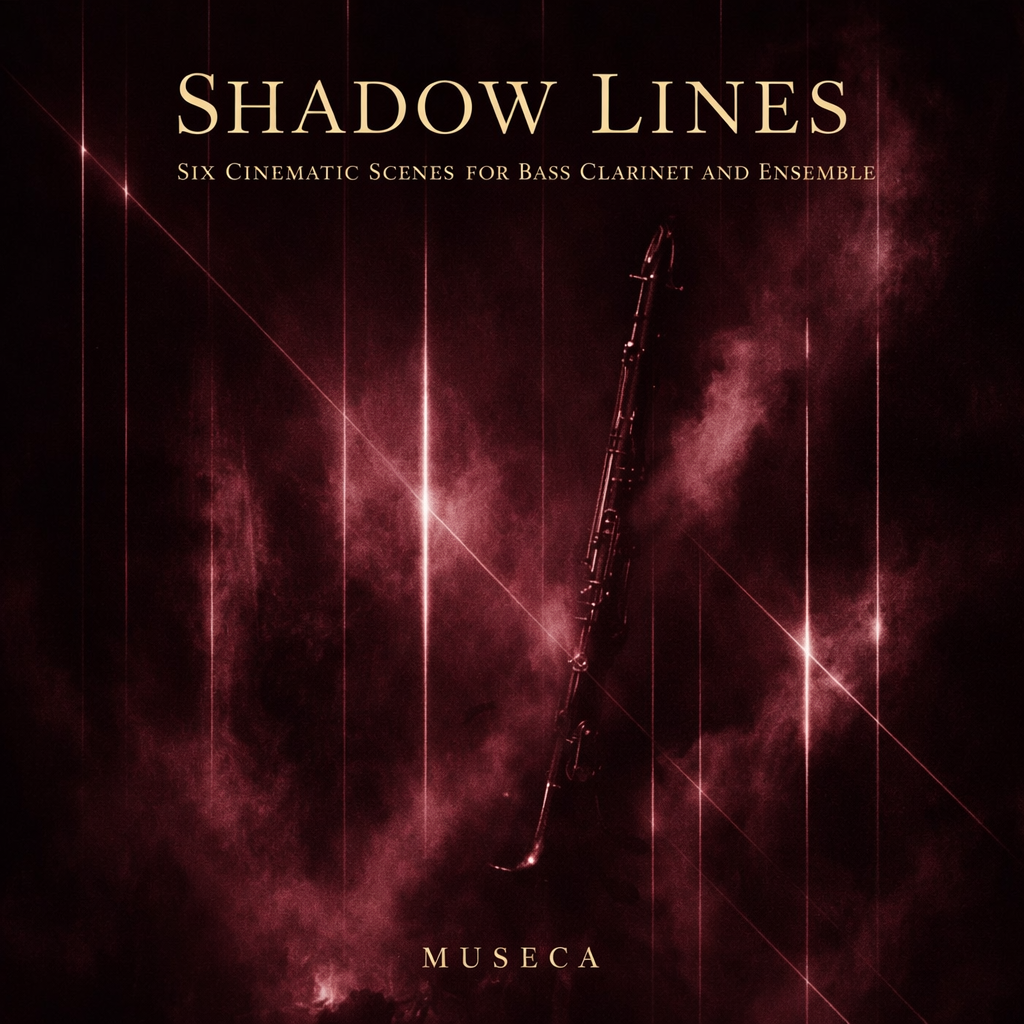
Six original cue-poems making the bass clarinet the central dramatic voice — narrator, witness, hidden protagonist. Opening corridor, hidden room, ritual below, end credits in smoke. A film album without a film, exploring the instrument’s full range from grief to dread to dark lyric beauty.
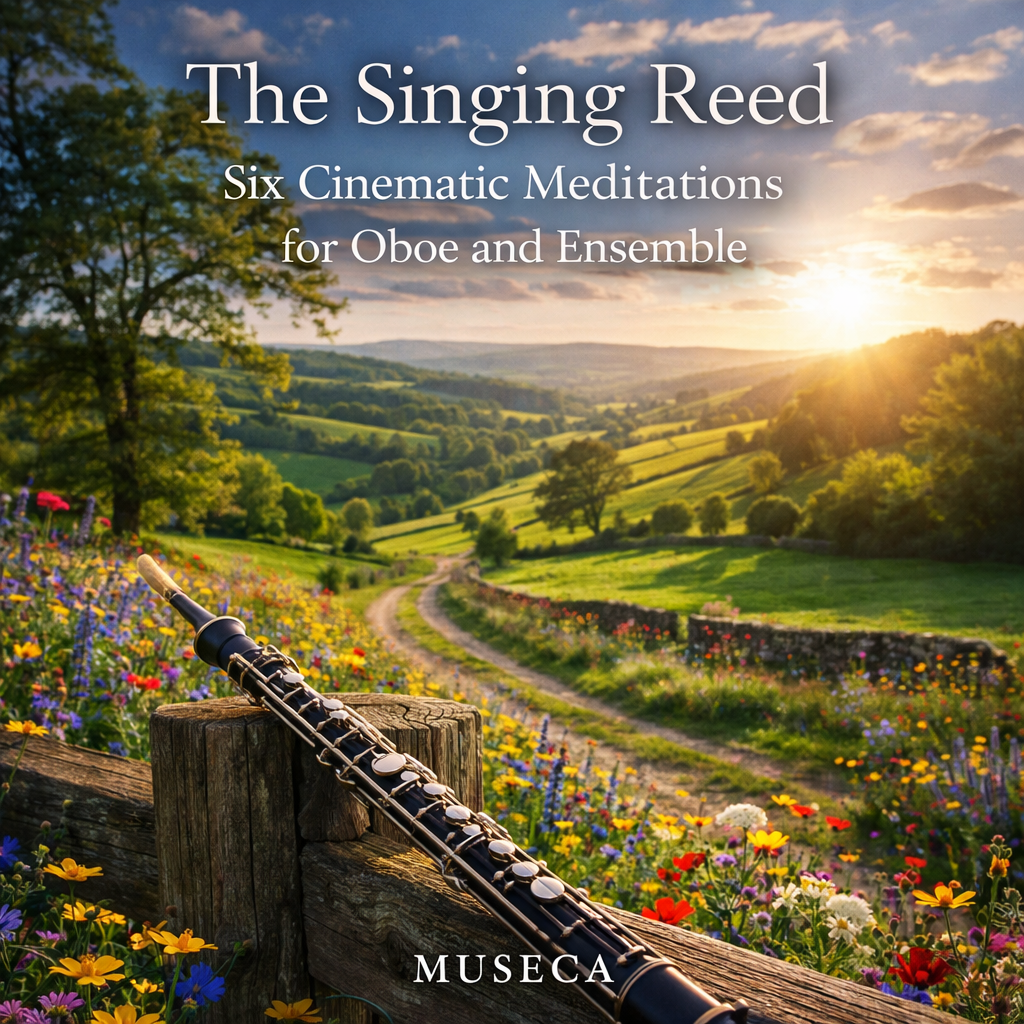
Six meditations placing the oboe at the center: sacred, elegant, romantic, mysterious, pastoral, elegiac. Strings, piano, harp, and horn frame the reed without competing. From Prayer Over the Valley through Letter from the Manor and Ashes of Summer to a final Elegy in the Final Light.
Instrument Studies
If this category resonates with you, you may also enjoy:
Related Listening
Classical — for the same compositional discipline applied across larger ensembles
Jazz & Blues — for instrument-led soloistic writing in a different idiom