Sotto la Luna di Sicilia
Behind the Music
A Sicilian night scene introduces melody as atmosphere: the waltz-like motion implies memory, place and romantic possibility.

Museca curated collection · Three Worlds of Musical Homage · Volume II
From the Concert Hall to the Cinema
An illuminated passage through Europe’s diverse musical inventions: the lyric spell of opera and cinema, the disciplined grace of ballet, the emotional language of orchestral color, the broken promises of Romantic harmony, and modern sound worlds that transform silence into form.
Europe’s musical imagination has never been one tradition. It is a centuries-long exchange between melody, movement, architecture, invention and the expressive possibilities of sound.
The European Imagination is the second volume of Museca’s Three Worlds of Musical Homage. The sequence moves from Italian cinematic and operatic lyricism through ballet and theatrical gesture, Romantic orchestration and elegy, and onward to stillness, sonorism and modern timbral invention. Its final movement deliberately crosses periods to show musical inheritance as a continuing conversation rather than a linear history.
All twenty-four selections are drawn from all eighteen albums in the European section of the Homages & Tributes catalogue. These are Museca compositions inspired by composers and compositional principles, not original historical performances or claims of exact stylistic reconstruction. A few honored artists have complex or transnational identities; the collection follows the website’s regional editorial grouping rather than treating nationality as a rigid musical category.
The six movements form a guided musicological journey. Each Behind the Music annotation names a listening question supported by the source album’s stated concept or track title; the notes are editorial guidance, not independent score transcription or recording-level acoustic analysis. The audio player reuses the existing media-library recordings.
Italian opera, romance and the lyric language of film
Italian opera and film scoring share a belief that melodic identity can carry emotion across an entire scene. The opening movement ranges from Rota-inspired romance and Puccini-inspired dramatic song to Morricone-inspired prayer and Sicilian gravity.
A Sicilian night scene introduces melody as atmosphere: the waltz-like motion implies memory, place and romantic possibility.
An Italian-language operatic tableau highlights the long-arc vocal line and the expressive suspension associated with Puccini-inspired lyric drama.
A sacred, lyrical canticle pays tribute to Morricone’s gift for making an instrumental melody carry the presence of prayer.
Sicilian gravity introduces darkness and restraint, reminding us that a memorable melody can contain unease as well as tenderness.
Dance architecture, theatrical gesture and the public stage
Ballet depends upon music that gives choreography a convincing physical architecture. Theatre and silent cinema offer related lessons in timing, pacing and expressive gesture. This movement concludes with the monumental sense of public drama associated with Ethel Smyth.
A Tchaikovsky-inspired ceremonial scene provides a way to consider dance as orchestral spectacle and formal procession.
Minkus-inspired variation writing turns rhythmic regularity and precise phrase lengths into support for the moving body.
Chaplin-inspired boulevard satire shows how timing, character and a seemingly light gesture can become part of a dramatic argument.
The Ethel Smyth-inspired overture moves from individual dance to the more expansive orchestral architecture of the public stage.
Timbre, orchestral breadth and Romantic color
Instrumentation becomes more than a palette of sounds when each musical voice carries an expressive role. The oboe, harp, oceanic strings and singing trumpet provide four distinct studies in how color may shape meaning.
The oboe is introduced as a voice of intimate observation, emphasizing orchestral color rather than sheer ensemble size.
A harp study asks the listener to distinguish plucked resonance and idiomatic gesture from the techniques of a keyboard.
A Rachmaninoff-inspired string ocean explores broad orchestral breathing, continuity and the emotional force of sustained harmony.
The trumpet becomes a wordless singer in a lyrical response to the long melodic arcs associated with Rachmaninoff.
Elegy, chromatic tension and the fragile promise of resolution
Romantic expressiveness often becomes most powerful when fulfillment is postponed. Dark operatic pressure, the chromatic colors of Rachmaninoff and Mahler-inspired broken revelation bring that tension into focus.
A Barry-inspired elegy examines how restraint and sustained harmony can give emotional weight to the act of farewell.
A Puccini-inspired orchestral prelude frames the stage as a place of danger, shadow, prayer and moral uncertainty.
The Neapolitan sonority becomes a door into Romantic chromaticism and the expressive pull of a darkened harmonic region.
A Mahler-inspired adagio expands private loss into the possibility of an orchestral world receding from view.
Stillness, choral architecture, sonorism and spectral color
European composition did not follow a single path away from Romanticism. Minimal, devotional writing coexists here with choral-symphonic intensity, Polish sonorism and a modern focus on sound itself as structure.
A Pärt-inspired meditation invites attention to slow stepwise melody, ringing triadic tones and silence as a structural choice.
A Boulanger-inspired choral study invokes the spiritual weight and architectural sorrow of a voice reaching from the depths.
A Penderecki-inspired sonorist study foregrounds clusters and timbral masses rather than a conventionally singing theme.
A Saariaho-inspired spectral drama treats changing instrumental color and resonance as central materials of musical form.
Historical voices, planetary imagination and the unfinished symphony
The final movement traverses centuries rather than telling a simple story of progress. It honors a foundational woman composer of early opera, the expressive inheritance of Clara Schumann, planetary proportion and a Mahler-inspired ending without easy transcendence.
A Francesca Caccini-inspired portrait returns to the early history of European vocal theatre and reminds us how broad its lineage truly is.
A Clara Schumann-inspired study frames the Romantic tradition through the architecture of the piano and an individual compositional voice.
Earth enters the planetary suite as a point of human breath and proportion, expanding the dialogue between Holst-inspired imagination and Kepler’s ideas.
The final Mahler-inspired movement refuses an uncomplicated victory, leaving the listener with a question about the endurance of musical light.
The complete listening journey
The 24 recordings below follow the exact order of the six guided movements. Existing Museca audio files are referenced directly, without reuploads.
Return to the source
Each source album offers a complete exploration of a composer, stylistic language, or musical principle. The original album pages include additional commentary and the full sequences.
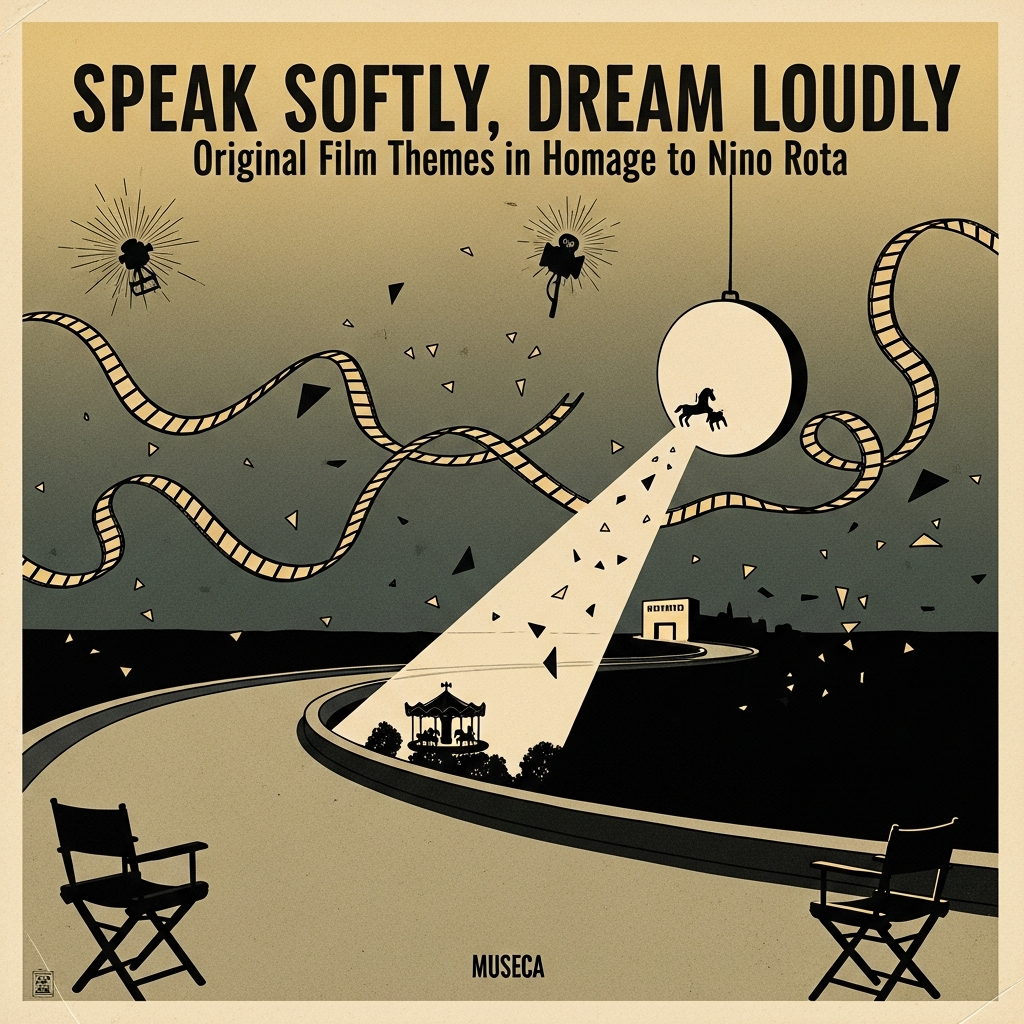 Speak Softly, Dream Loudly2 selections
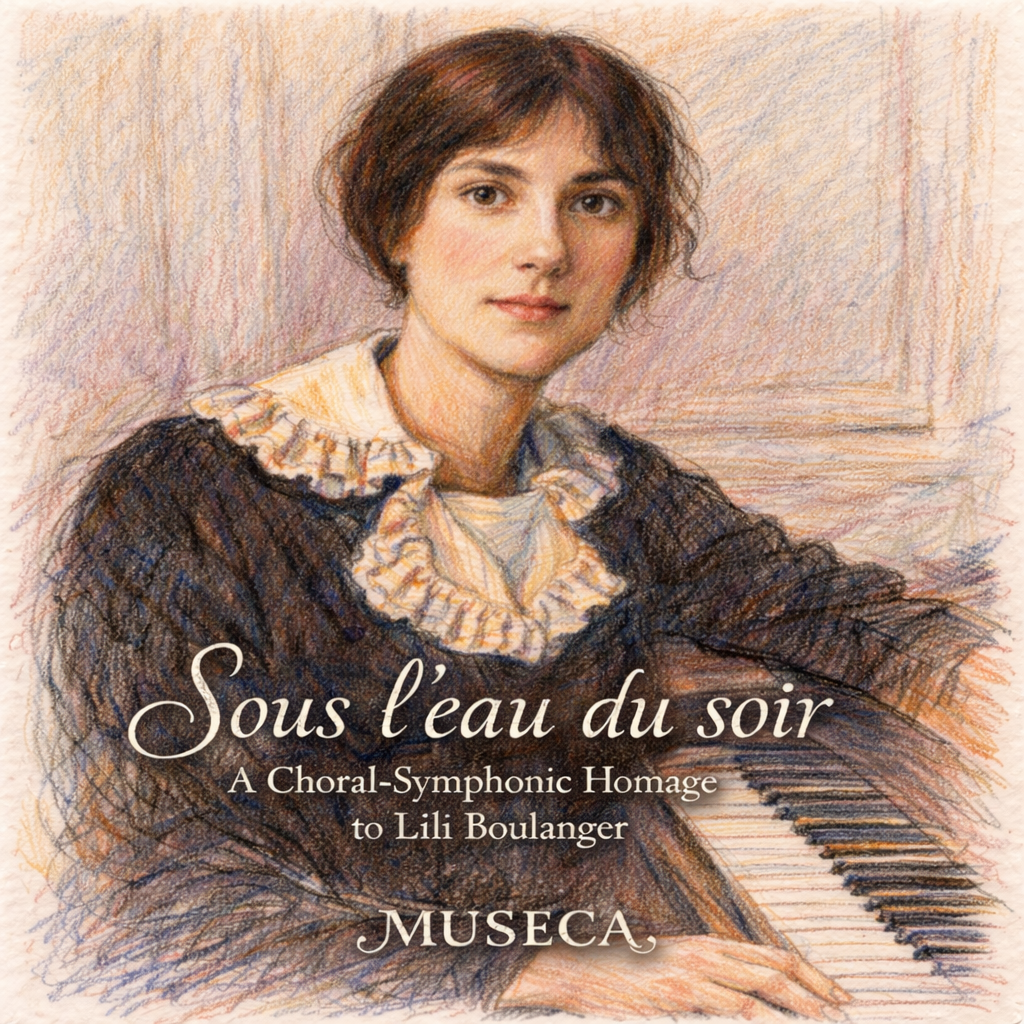 Sous l’eau du soir1 selection
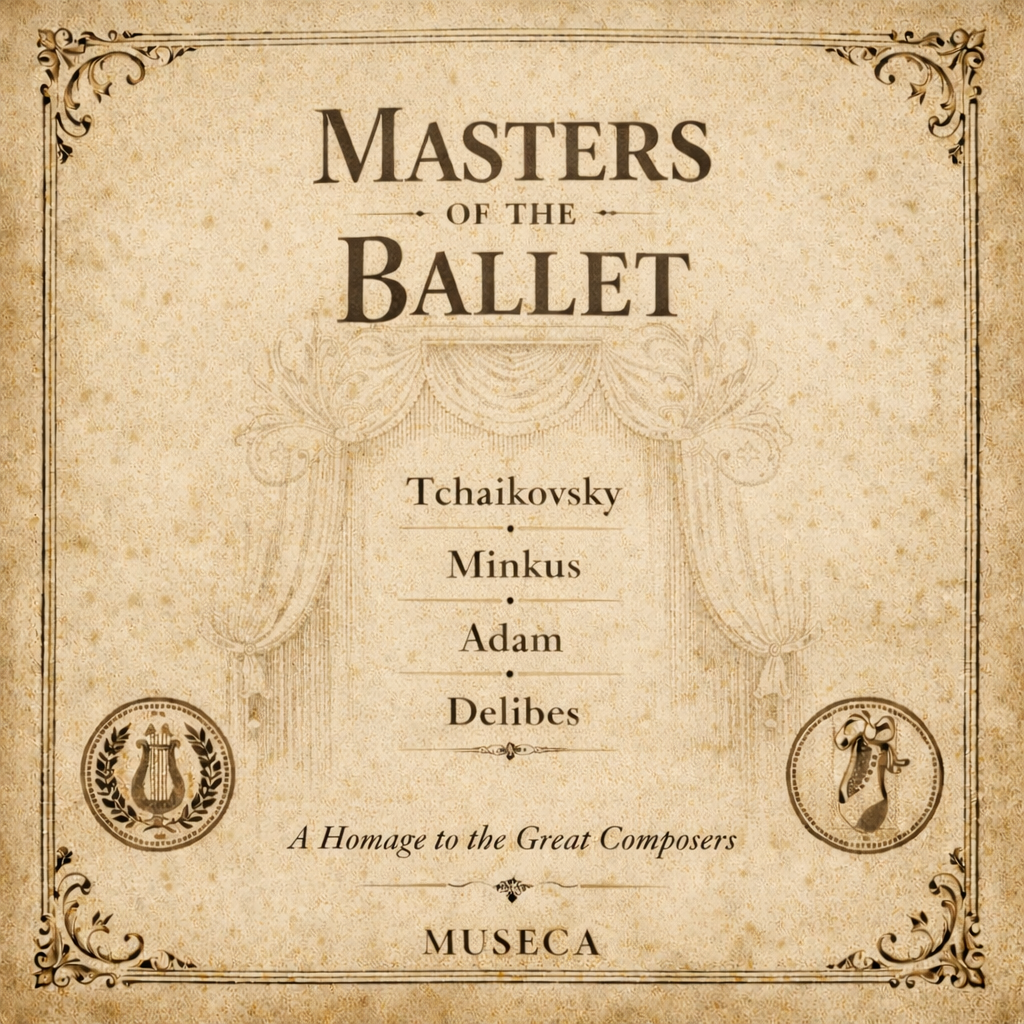 Masters of the Ballet2 selections
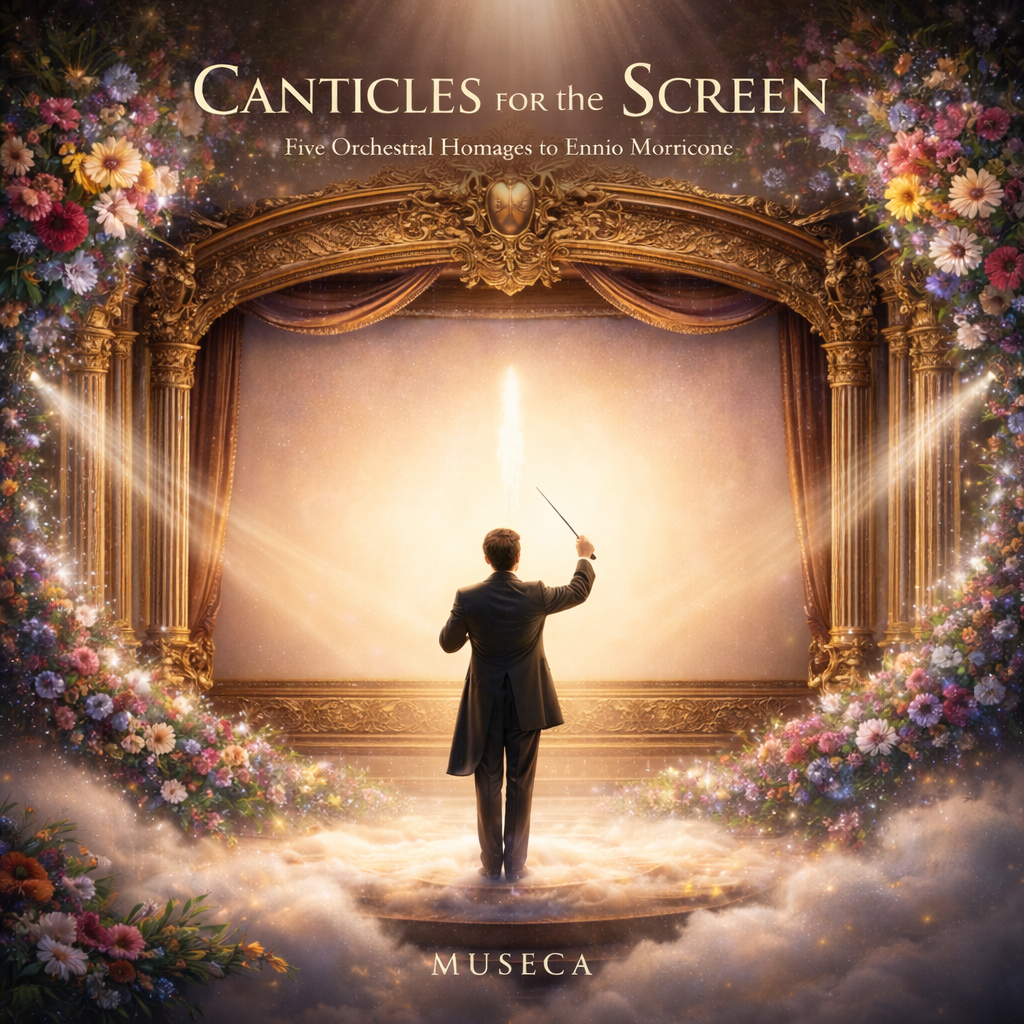 Canticles for the Screen1 selection
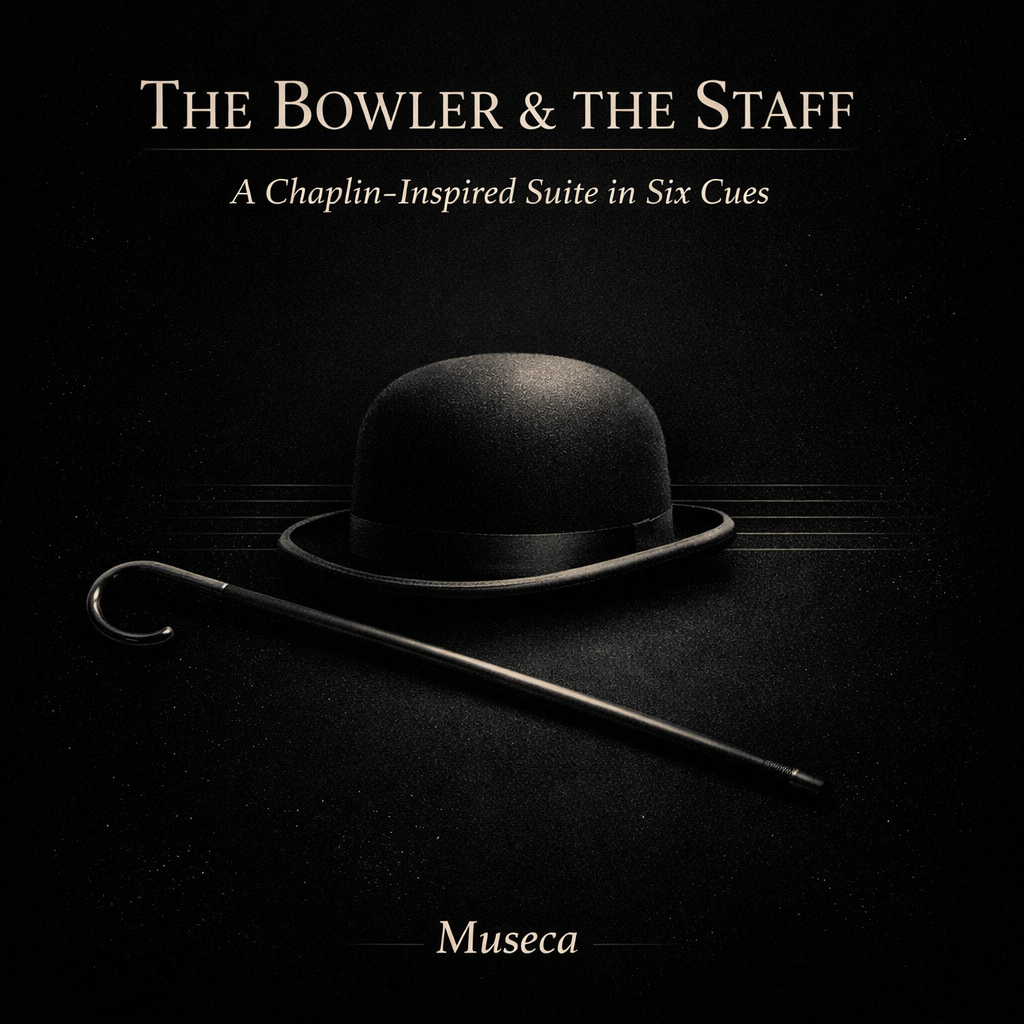 The Bowler & the Staff1 selection
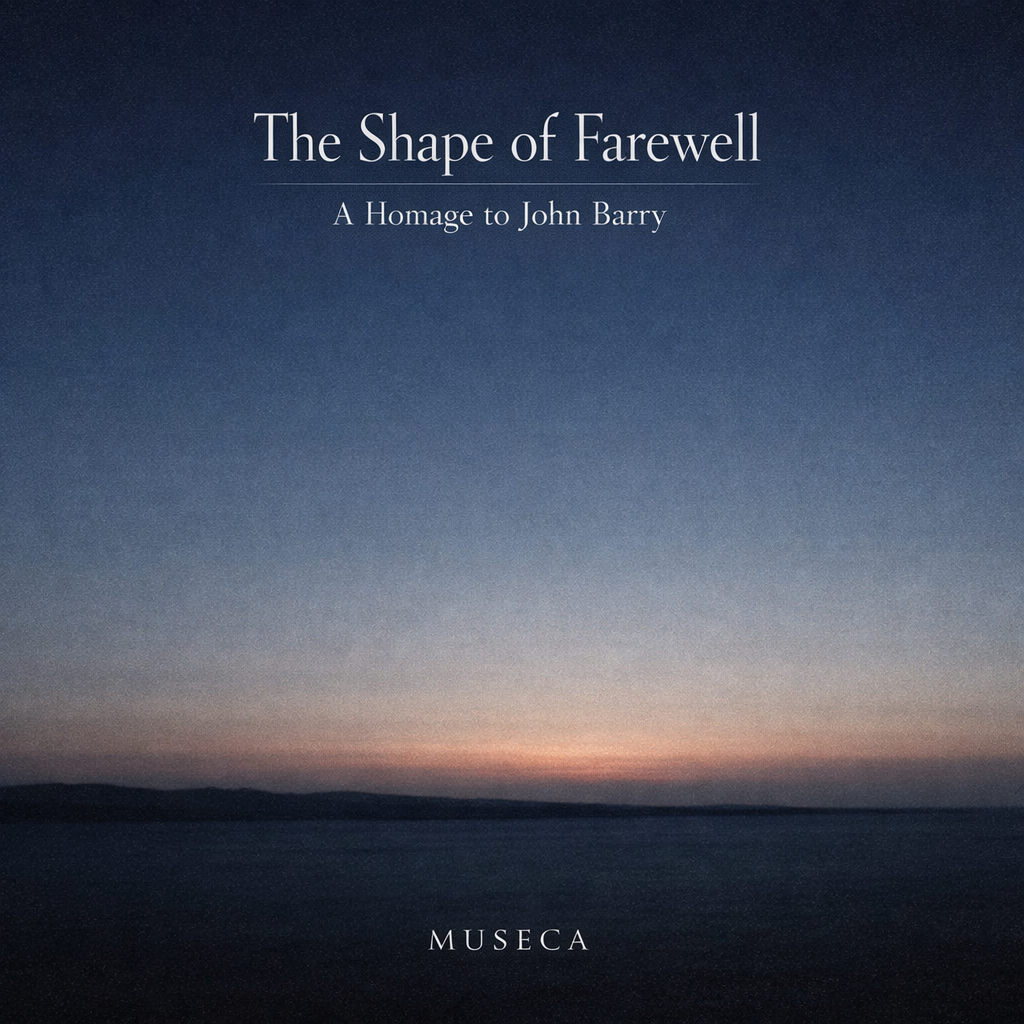 The Shape of Farewell1 selection
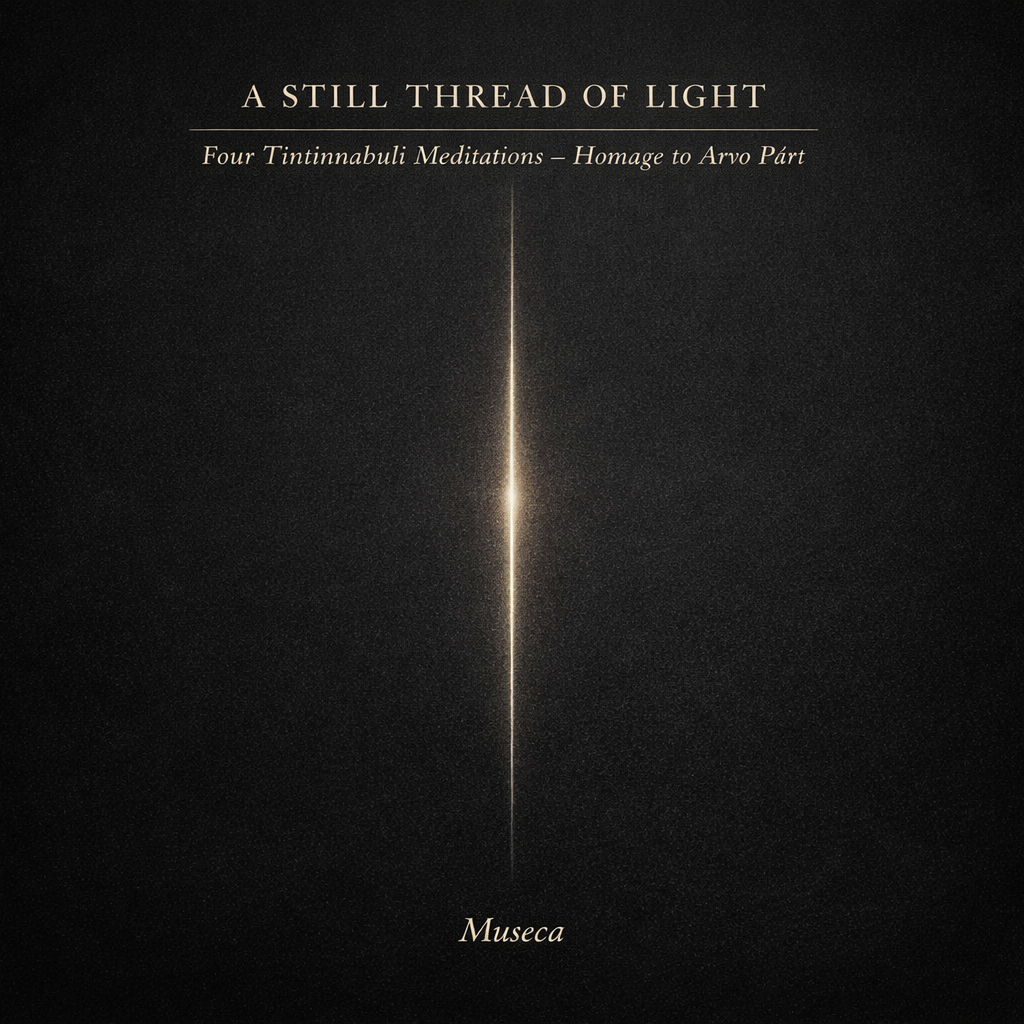 A Still Thread of Light1 selection
 One Beautiful Day1 selection
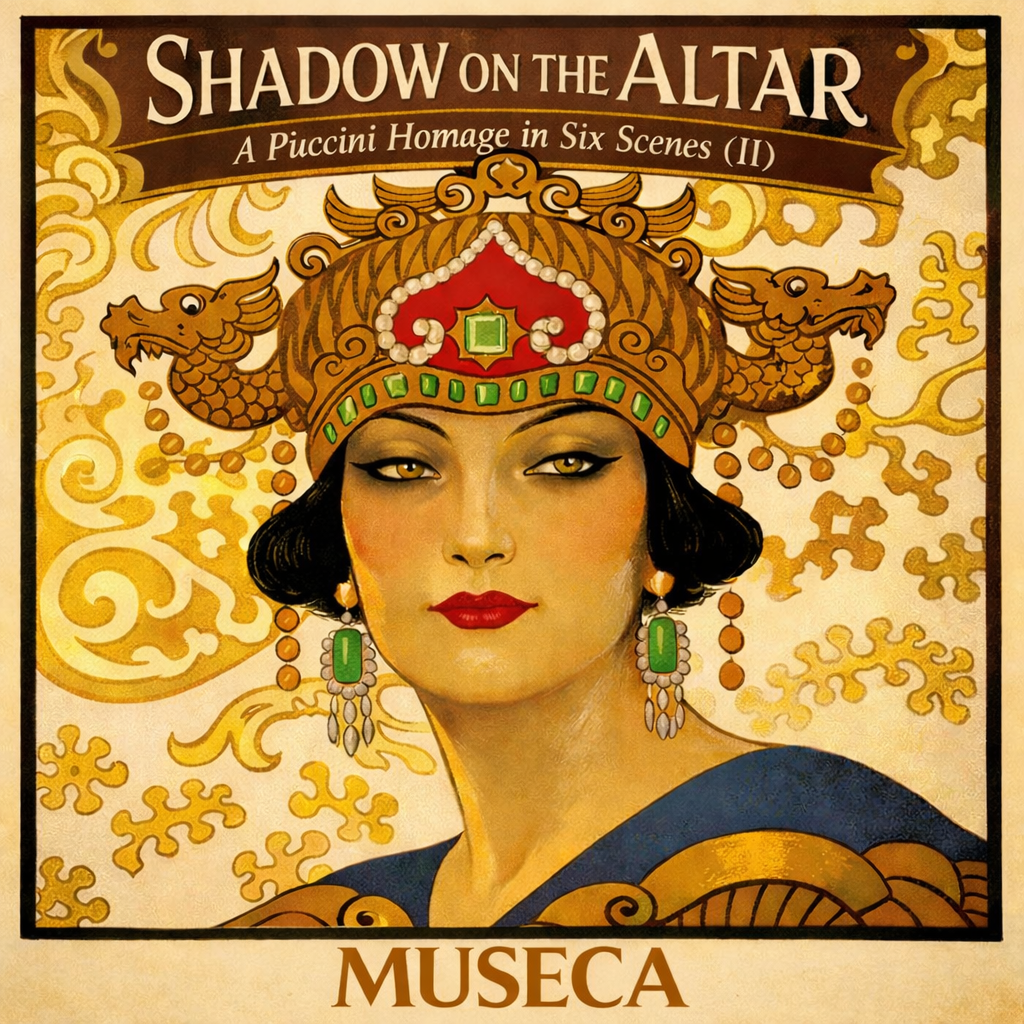 Shadow on the Alter1 selection
 Bells and Velvet1 selection
 Architects of Sound, Vol. 12 selections
 Architects of Sound, Vol. 22 selections
 Polish Lineage1 selection
 Orbital Brightness1 selection
 How Fair This Light1 selection
 The Art of Orchestral Color2 selections
 The Sixth Below the Light1 selection
 The Broken Chorale2 selections