Musicals, Screenplays & Soundtracks is Museca’s storytelling realm—music built for scenes, characters, and emotional turns. The albums here move cinematically, blending theatrical sweep with modern imagination, and inviting you to hear each track as part of a larger narrative.
Musicals and Screenplays
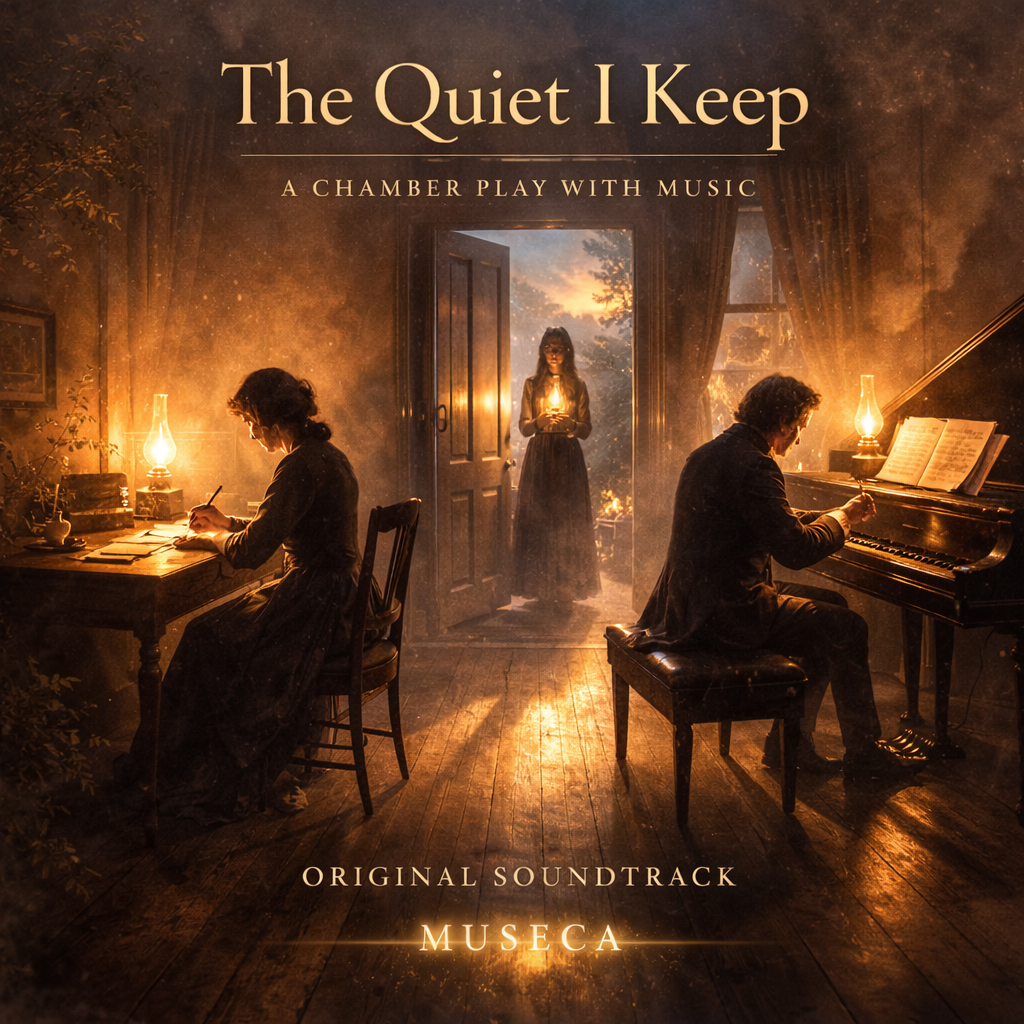
A chamber play and 26-song cycle reimagining the relationship between Frédéric Chopin and George Sand — not as familiar legend but as the rooms, letters, gestures of care, and unfinished arguments history leaves out. From The Weight of a Key to The Quiet Between the Pages, scored for onstage piano, cello, clarinet, and flute. Love as labor; illness as architecture.
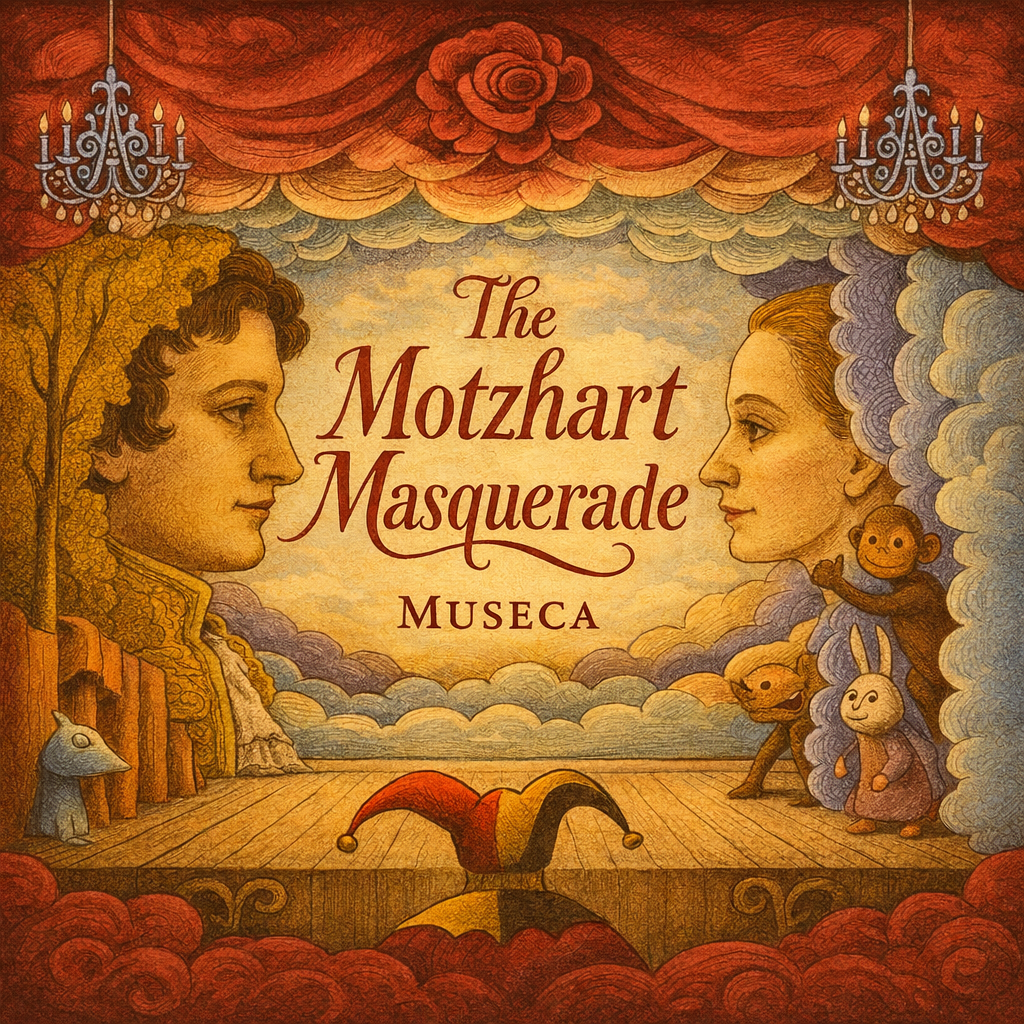
An original comic musical built on one of classical music’s most persistently unanswered questions: what actually happened to Mozart in December 1791? Twenty-two original songs in the rock-opera tradition — Andrew Lloyd Webber’s emotional precision fused with the architecture of Mozart’s own opera buffa — anchored by seven carefully placed authentic Mozart excerpts including the Don Giovanni overture, the Lacrimosa, and the Così fan tutte trio used as dramatic irony. At its heart: not Mozart, but the five women — his wife, sister, and three sisters-in-law — whose intelligence and theatrical nerve made the impossible flawless. He was the music. They were the performance.
A 15-track film score for an original screenplay set in 1870s Russia. Built around three notes — the melody Maria hummed as she died — broken across Act I until the celesta plays them whole and unhurried at the finale. Romantic Russian orchestral foundation in the Tchaikovsky tradition meets vocal writing in the lineage of Andrew Lloyd Webber. The wound and the healing, voiced by Celestine, Wilhelm, Lisel, and Mikhail.
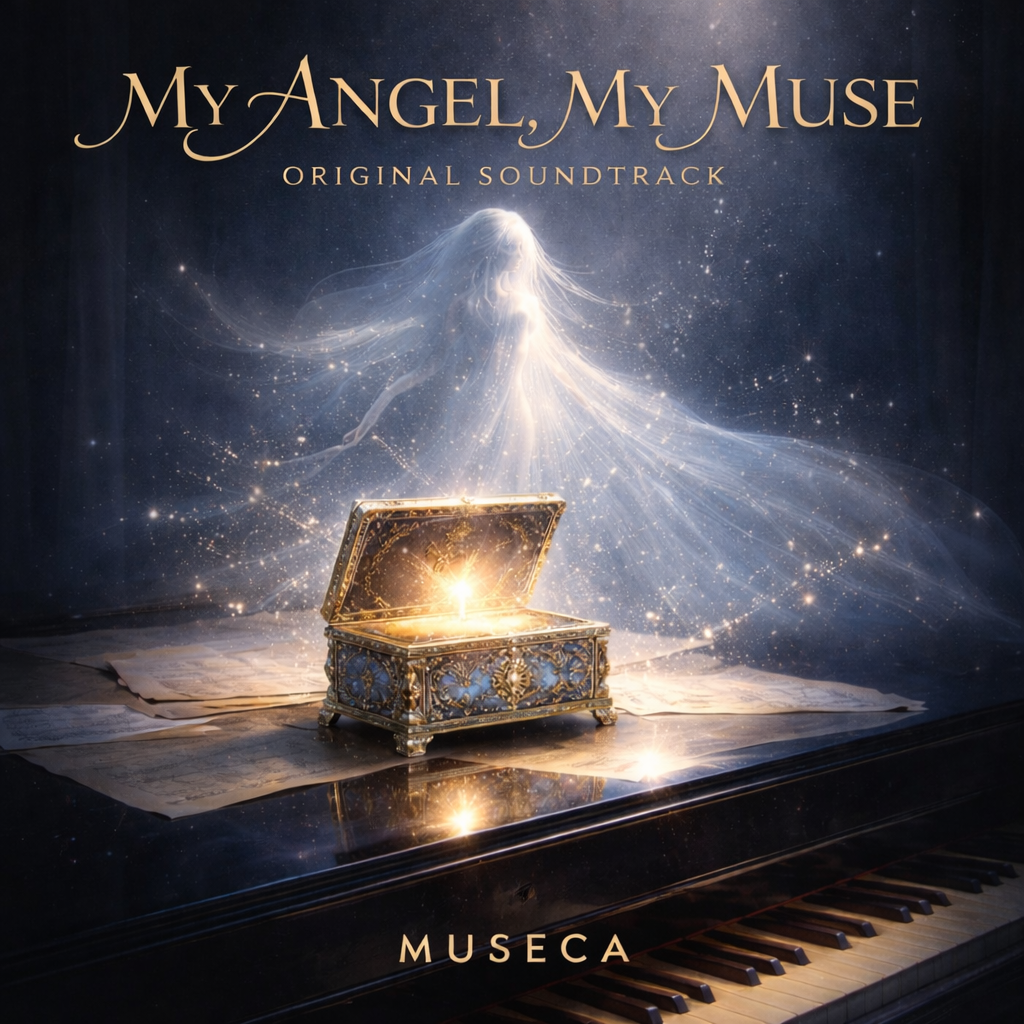
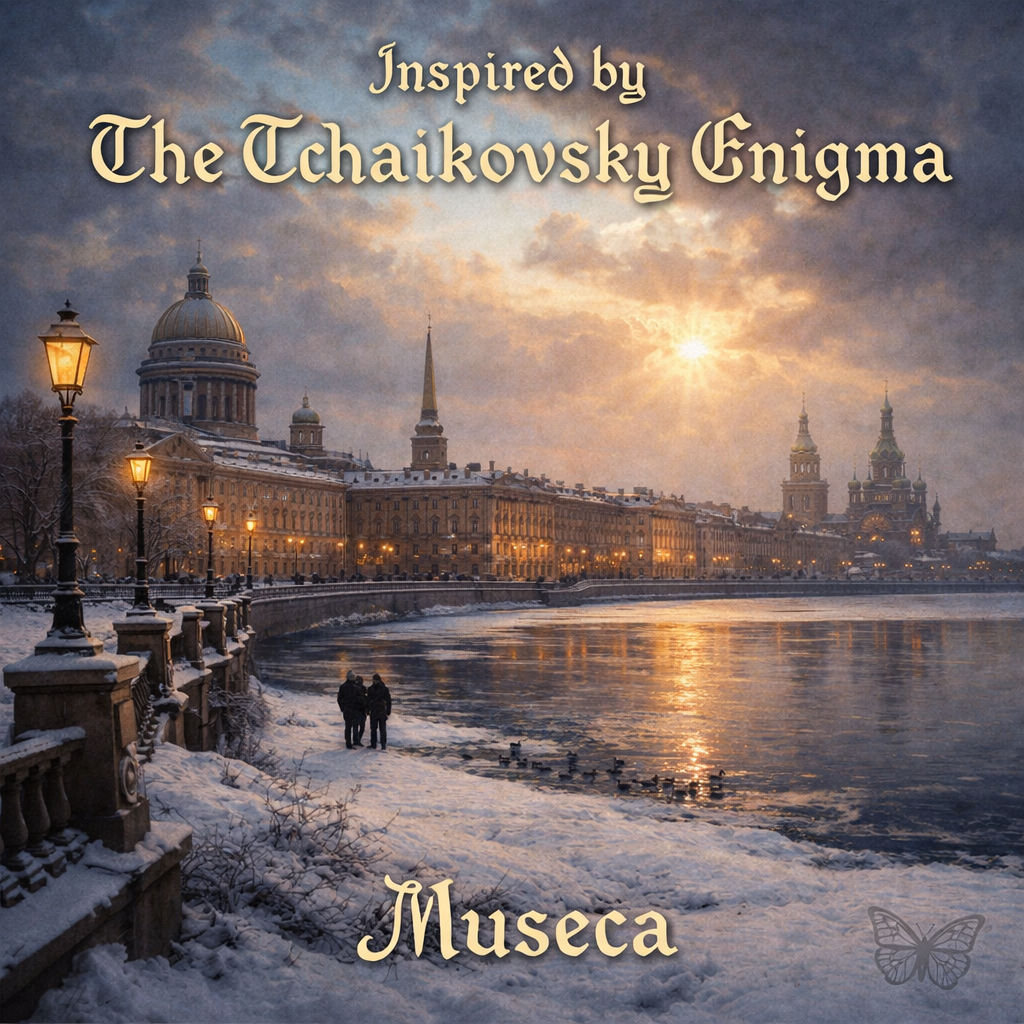
Eighteen pieces that arrived during years of researching a screenplay built around a single question: what if the ending we’ve accepted for Tchaikovsky is not the ending that actually occurred? Opens and closes with settings of Afanasy Fet’s 1857 poem My Genius, My Angel, My Friend — first in English, finally in Russian. Not a score; what inspiration sounds like when it’s working on you.
Soundtracks
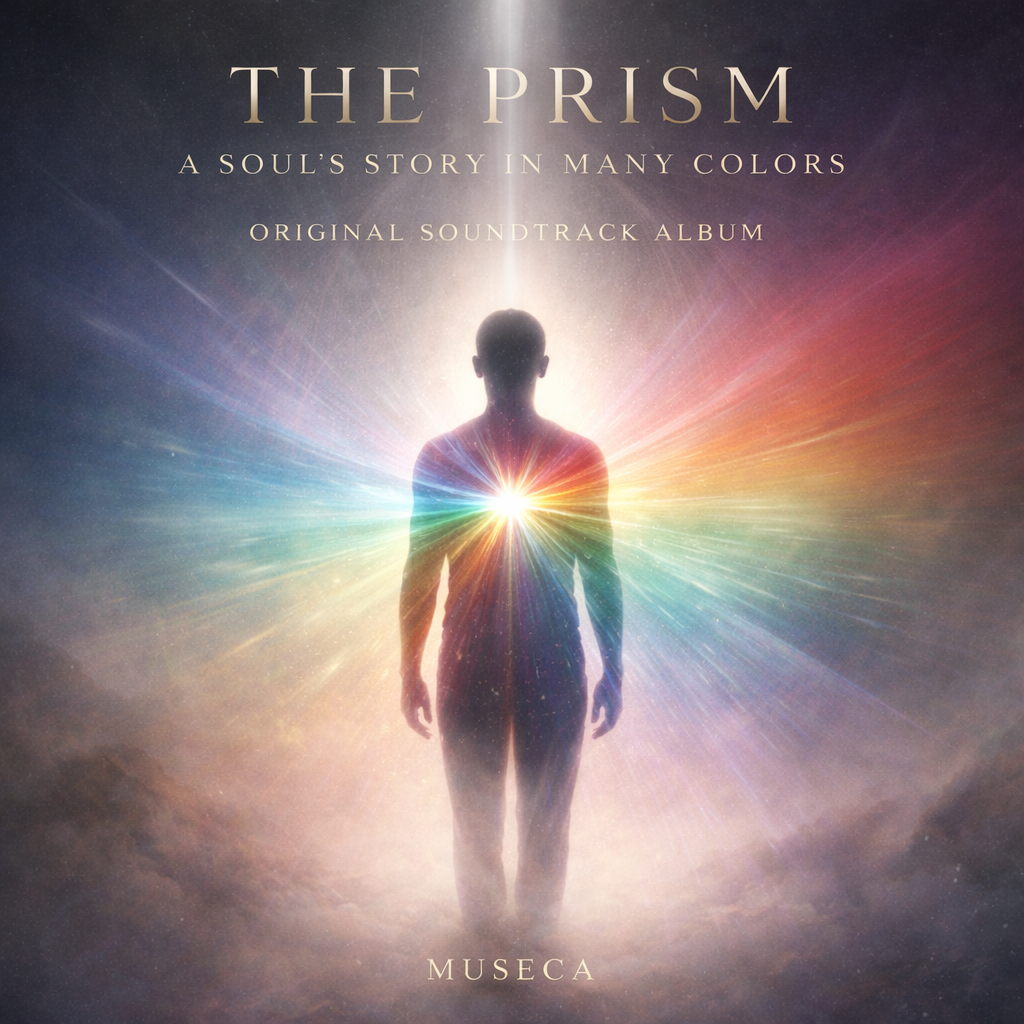
A soundtrack companion to P. A. Rallax’s visionary novel, following a single soul named Cael as he awakens in a mysterious archive and relives fragments of his other lives, each refracted through a different emotional color. Tracks move from the soul’s first whisper through Red World, Mirror Eyes, Violet Silence, and the Prism Interface. What if your soul wasn’t linear, but radiant?
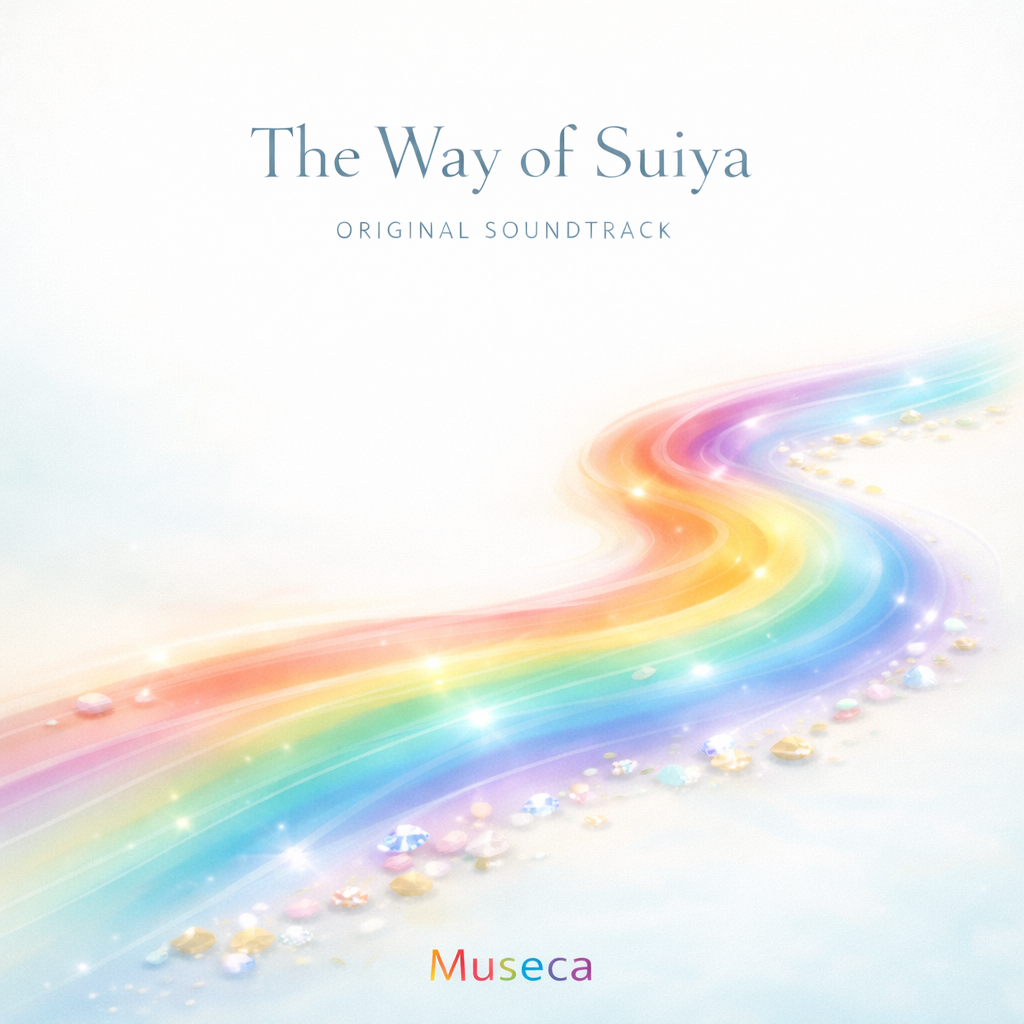
Music inspired by P. A. Rallax’s novella about Ilan, a man formed by maps and certainty, who arrives at a village with no gates, no leaders, no visible authority — and slowly recalibrates. The score begins from distance and inwardness, then breathes more freely, favoring spacious textures over sharp cadences. Like Suiya itself: it does not impose structure, it listens.
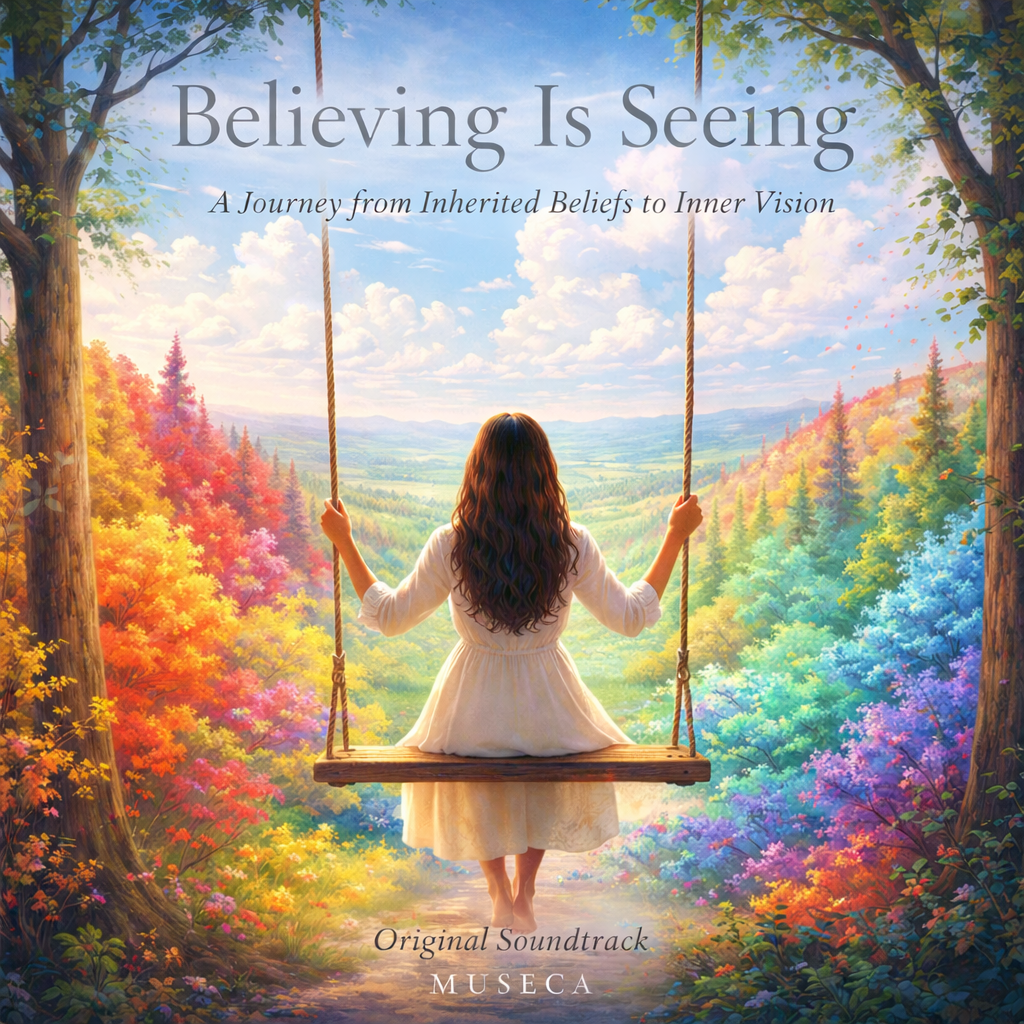
A modern orchestral film score companion to P. A. Rallax’s reflective book on perception and inherited belief. Cello-centered as inner narrator, with flowing strings and warm horns. Each track is a different modal lens on a single E center — moving from Aeolian, Phrygian, and gentled Locrian (inheritance, constraint) into Dorian, Mixolydian, Lydian, and Ionian (agency, clean seeing). The same life, newly perceived.
Storybook chamber music for P. A. Rallax’s tale of a child whose gentle questions soften an entire system. Music-box sparkle, lullaby innocence, and a children’s choir as the album’s emotional glow. Celesta and harp lead; percussion is intentionally minimal. The sound of curiosity, kindness, and the quiet courage to ask what others have stopped asking.
Seven tracks inspired by P. A. Rallax’s novella about Arthur Kells, who wakes in a high-rise hotel room as a crowd gathers below to watch the building’s demolition. A presence called AIR speaks calmly from the vent. Each room reflects a fear or self-made myth: fear and surrender, silence and presence, image and inner truth. There is no judge here, only a mirror.
Storybook chamber soundtrack for the animal novella about a young elephant named Elly and a tiny skylark she rescues during a storm. Piano, soft strings, flute, clarinet, harp, and glockenspiel paint the openness of grassland, the motion of the storm, and the hush of refuge. Pastoral, tender, and intimate enough to hold both children and adults. Music about learning to hear one another beneath the noise of the world.
A narrative concept soundtrack to P. A. Rallax’s novel about a soul’s life review — not in a courtroom, but in chambers built from its own choices. Guided by the Archivist, the soul walks through a violinist’s tightening world, a mother’s unending grief, a sterile “white room” where mercy is bureaucracy, and the Unborn Room — a space heavy with lives that never arrived. Five sections move from grandeur to lullaby to reckoning to candlelight to silence. Not heaven and hell, but consequence, empathy, and the strange mercy of an honest mirror.
A rainbow opens, and a white unicorn leads three children along a Hawaiian shore in search of twelve treasures — a story that ends where it began: inside the heart. Fourteen bilingual songs for children and grown-ups alike, written to give Kumi Hatanaka’s picture book a singing voice, where the islands of Hawai’i meet the heart of Japan.
Musical Performances
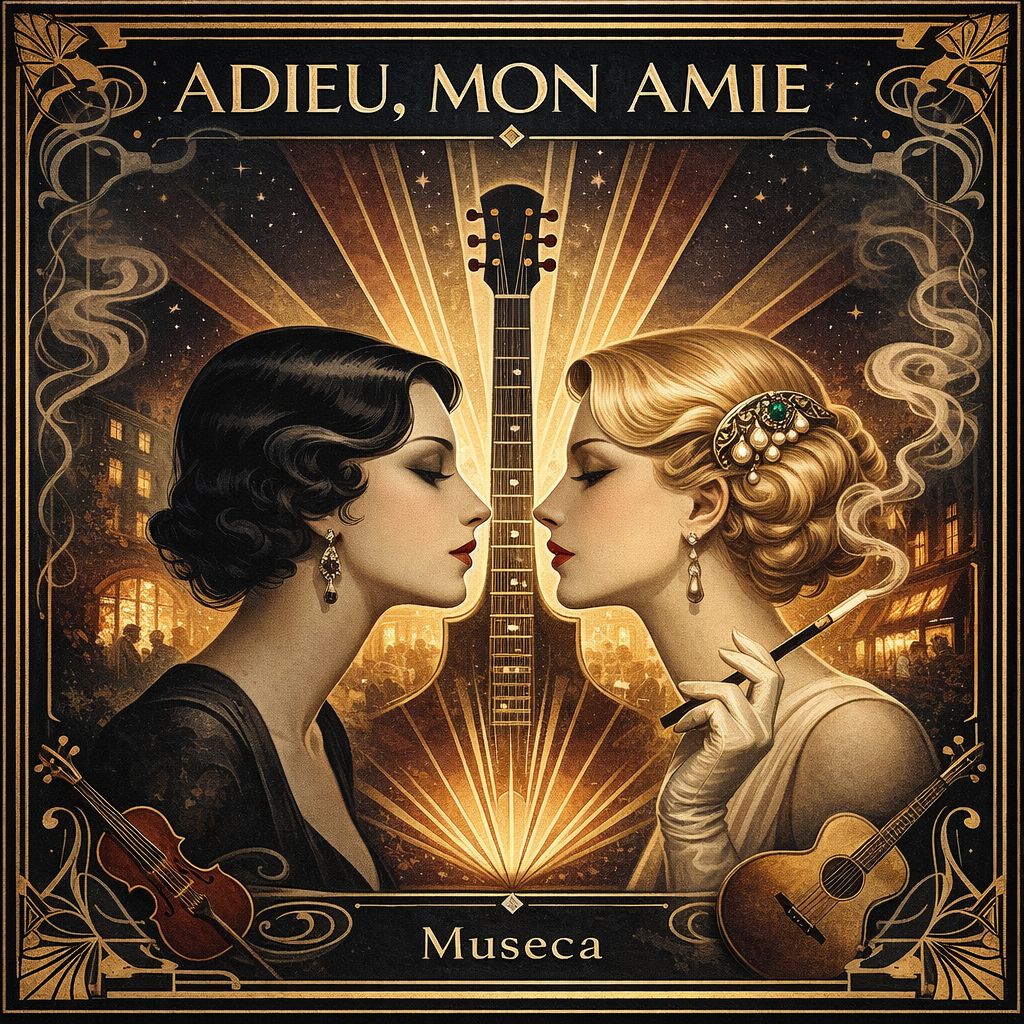
A six-chapter short story with eight original songs in authentic 1930s gypsy jazz style, set in Paris 1935-1939. A young French singer named Celeste finds her voice at La Grosse Pomme; in the audience, a German woman with secrets raises her glass. Inspired by Django Reinhardt, Stéphane Grappelli, and the Quintette du Hot Club de France. Friendship, espionage, and a final goodbye on the edge of war. Entre nous. Toujours.
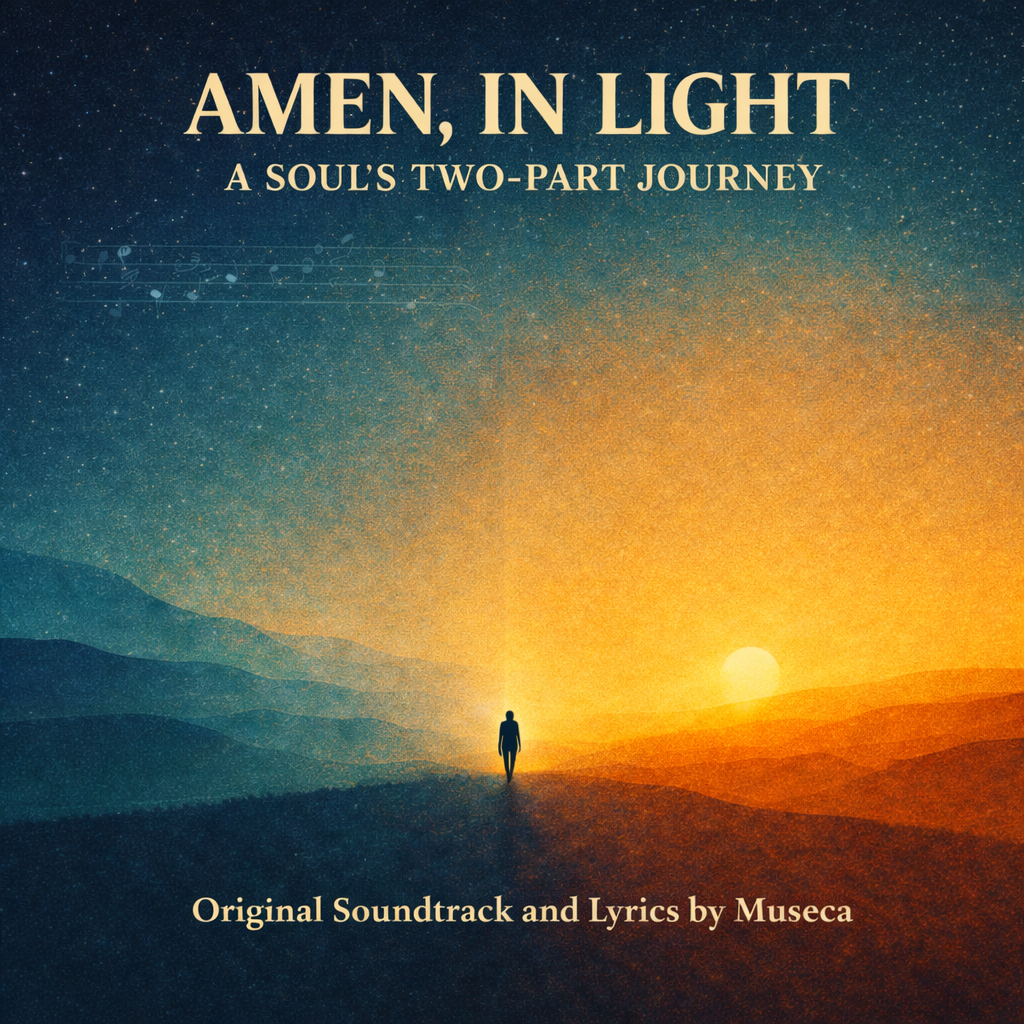
A two-part soundtrack and performance work commemorating the 800th anniversary of the medieval Dies Irae chant — and reframing what it has meant for eight centuries. Part I (Requiem for the Fallacy, six movements) dismantles the fear-based theology that death is judgment; Part II (The Light Path, five songs) reimagines the day of death as reunion. A requiem not for the soul, but for an inherited error.
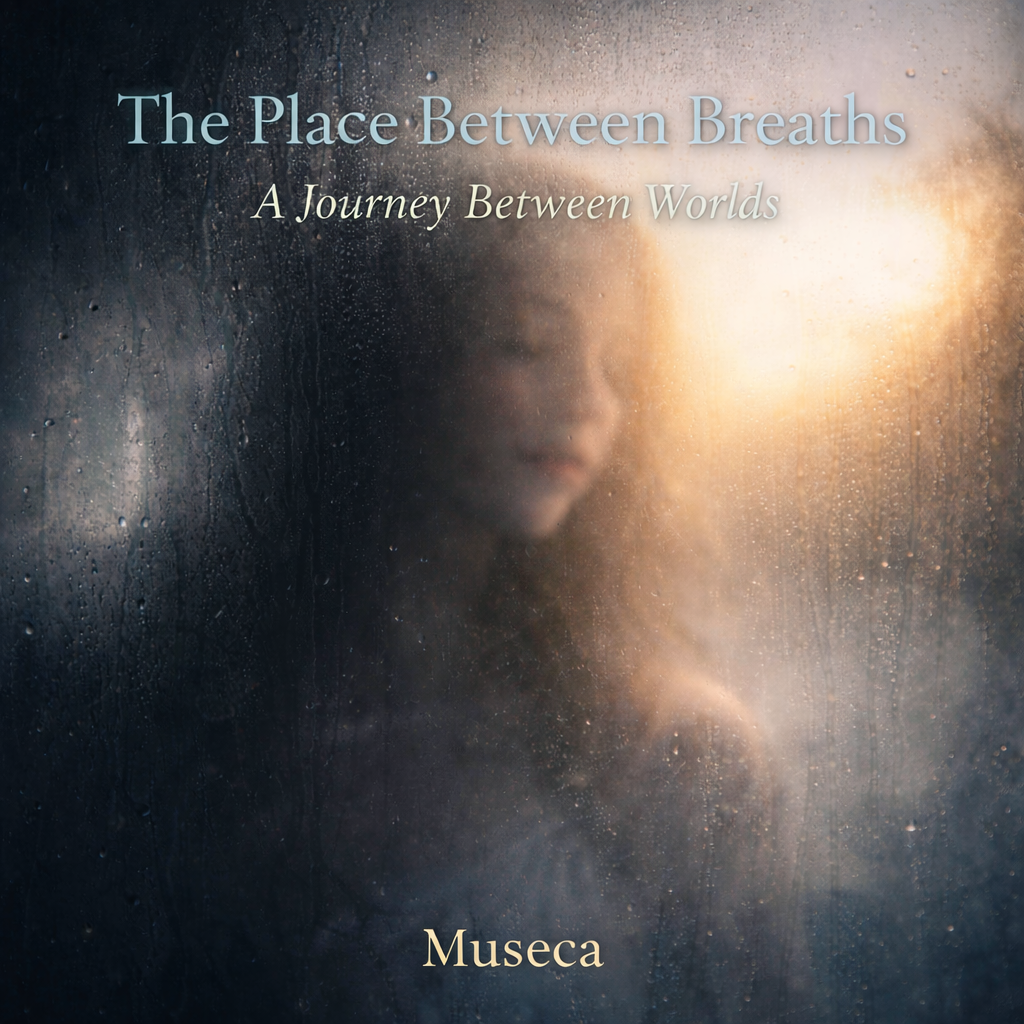
A narrative concept album about a near-death experience. Hospice nurse Elena Maris is in a rainy-night accident and enters a spiritual in-between state — disorientation, watery suspension, a corridor outside time, the warm return of memory, and finally the recognition that grief had quietly become a room she was still living in. Cinematic ethereal art-pop, with the voice hovering between speech and song. A consciousness hovering between worlds.
Musicals, Screenplays & Performances
If this category resonates with you, you may also enjoy:
Related Listening
Classical — for the orchestral and concertante works that share the cinematic-narrative impulse
Ballet & Dance — for the narrative-staged tradition this category extends
Homages & Tributes — for the structural-homage works that overlap with the historical-musical tradition
Spiritual & Metaphysical — for the philosophical narrative works (Songs from My Muse, Letters to the Invisible)