
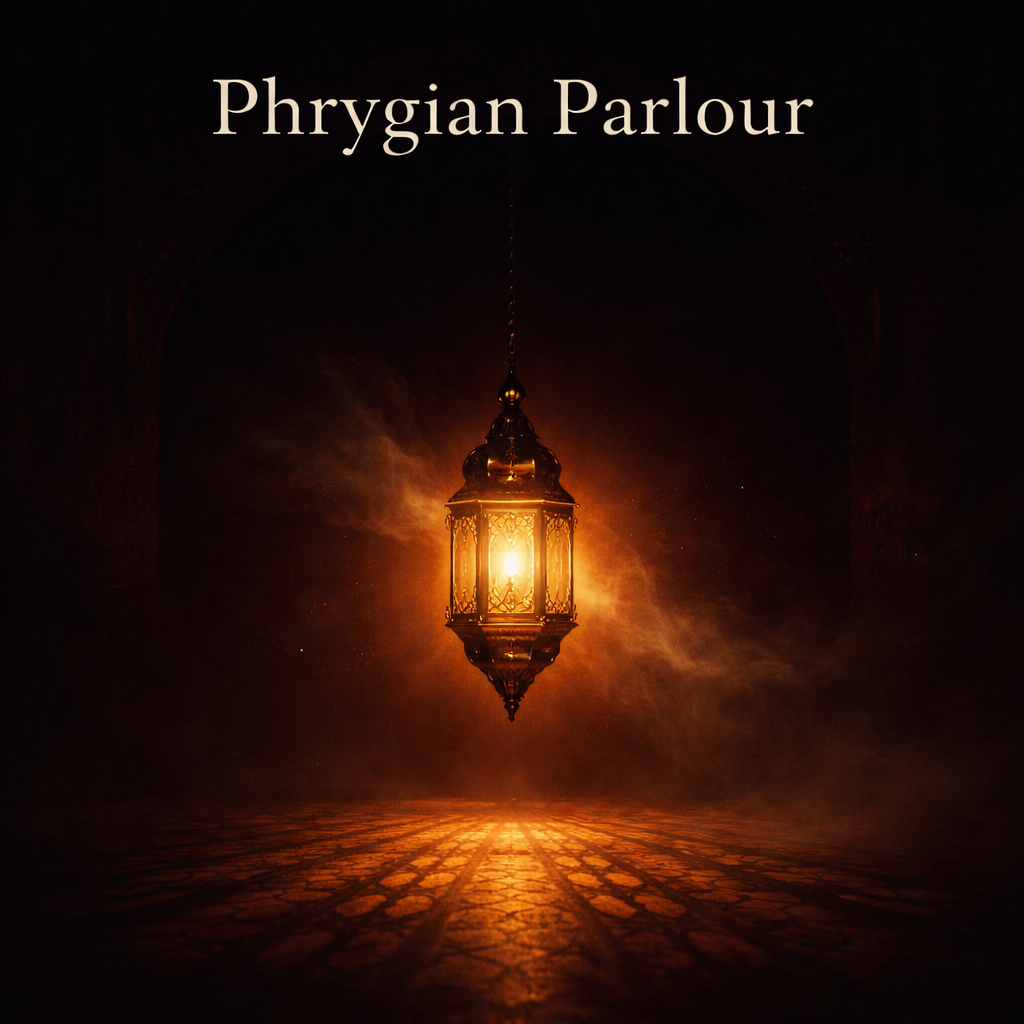
Phrygian Parlour
Welcome to Phrygian Parlour, Museca’s warm-shadow realm—music shaped by ancient spice, intimate ritual, and melodic gravity. These albums live in a space that feels both old and immediate: lamplight rather than daylight, incense rather than air, velvet rather than glass. If Locrian Lounge is the elegance of unresolved tension, Phrygian Parlour is the elegance of mysterious warmth—music that invites you closer, then deepens the room around you.
For the theoretical foundation behind these works, see The Phrygian Mode in the Museca Library.
Cinematic & Atmospheric Works
Albums that treat Phrygian as scenic color — narrative, painterly, where the mode shapes a place as much as a melody.
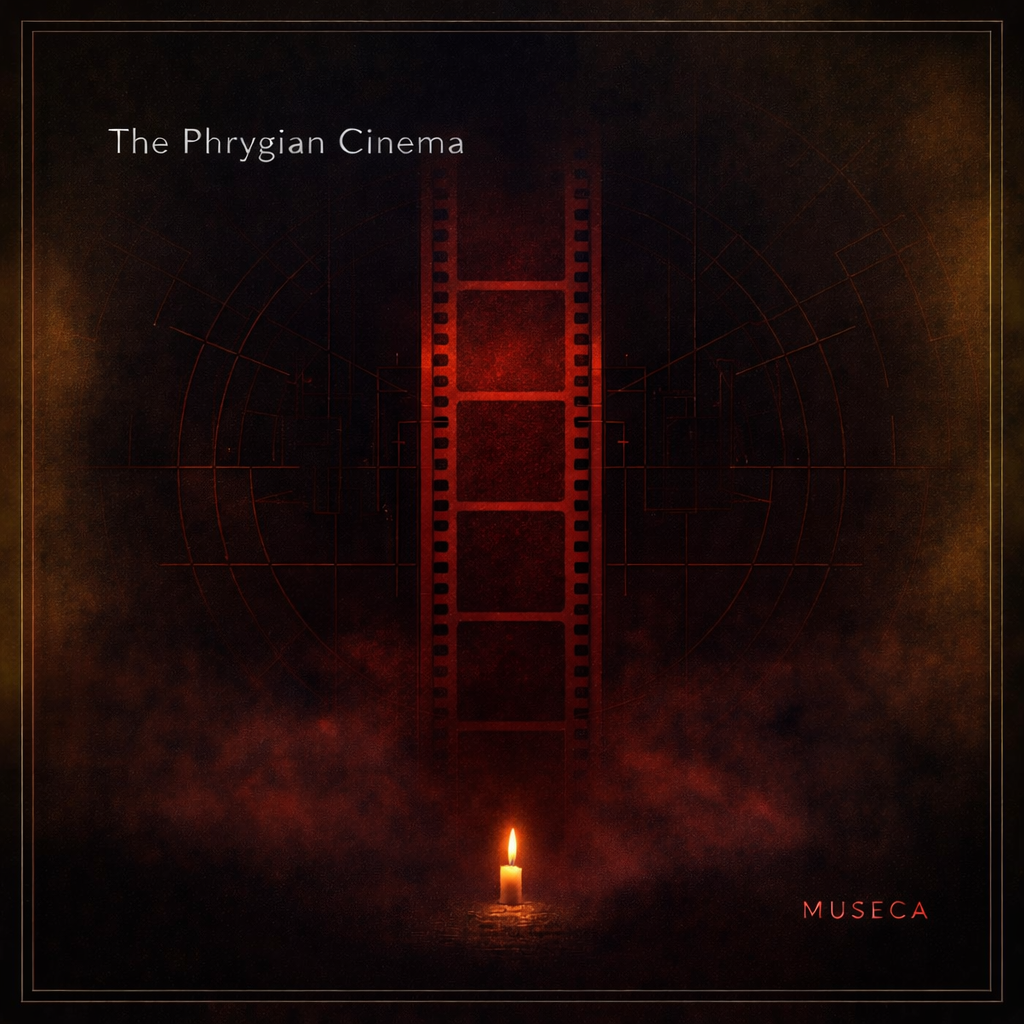
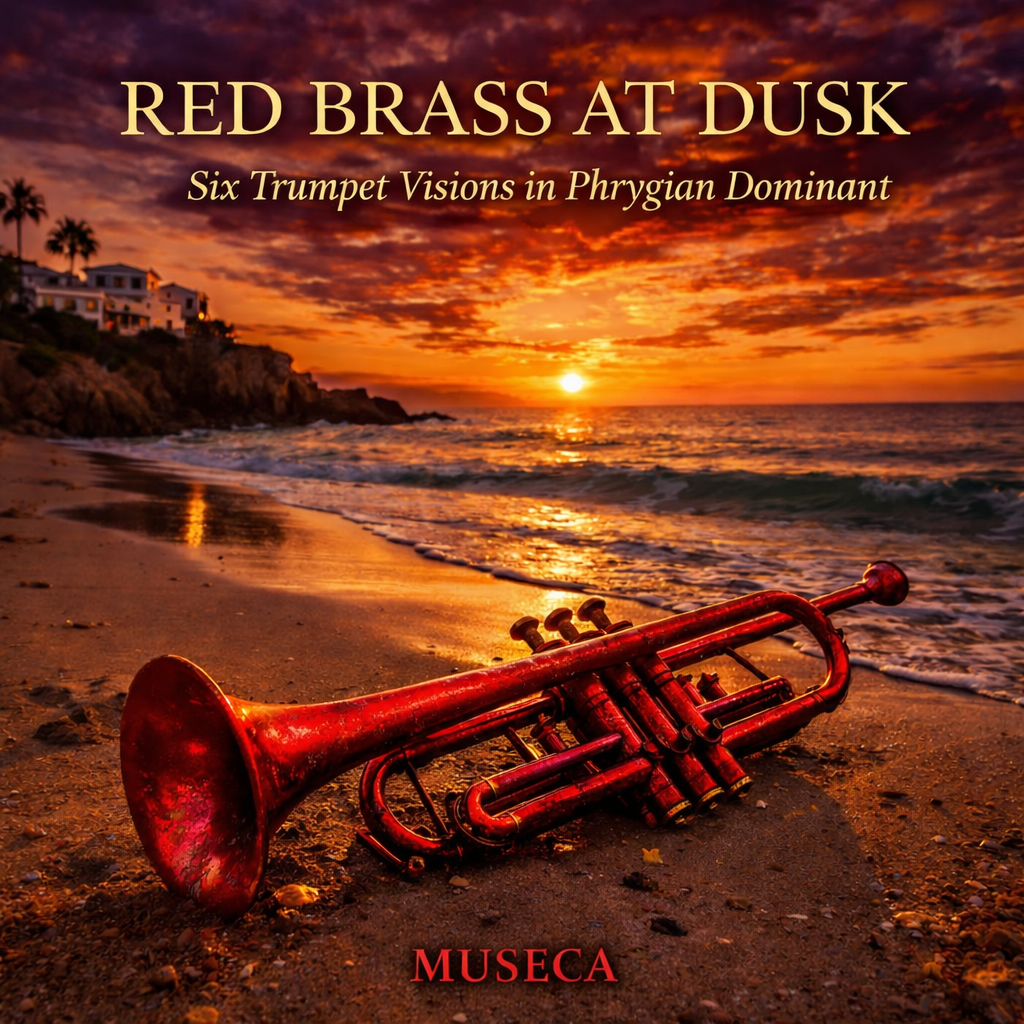
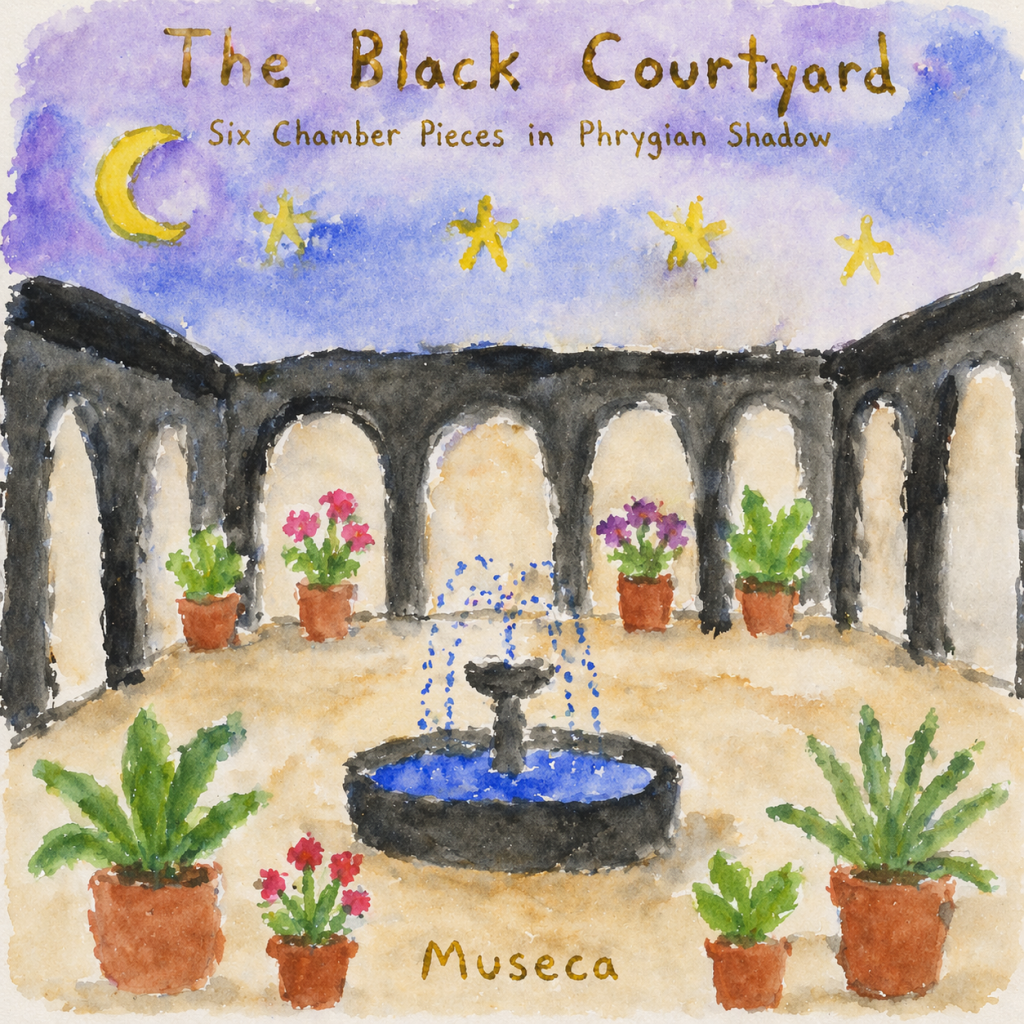
The Codex Series
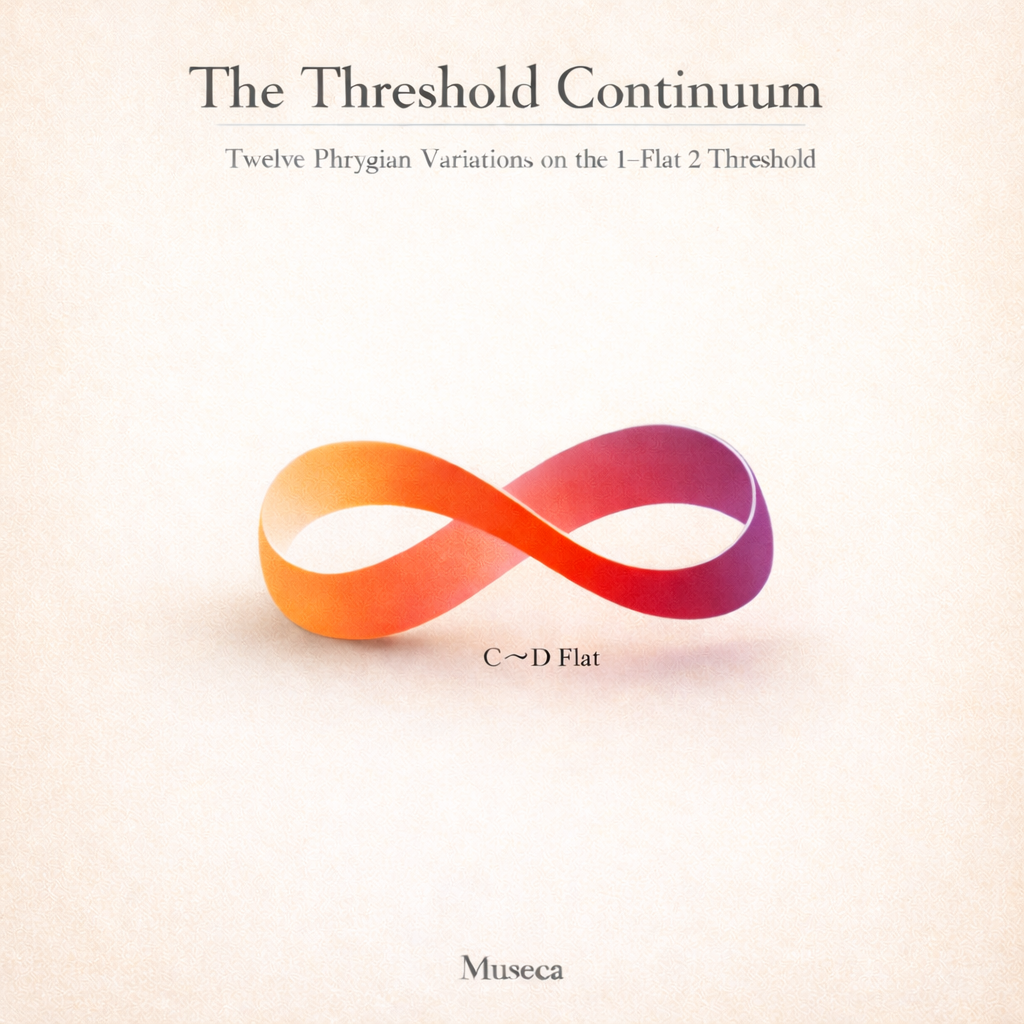
A study of the Phrygian mode through specific tonal centers. Each codex is anchored to a different home note, revealing how the same mode can feel ash-toned in one tonic and amber-warm in another.
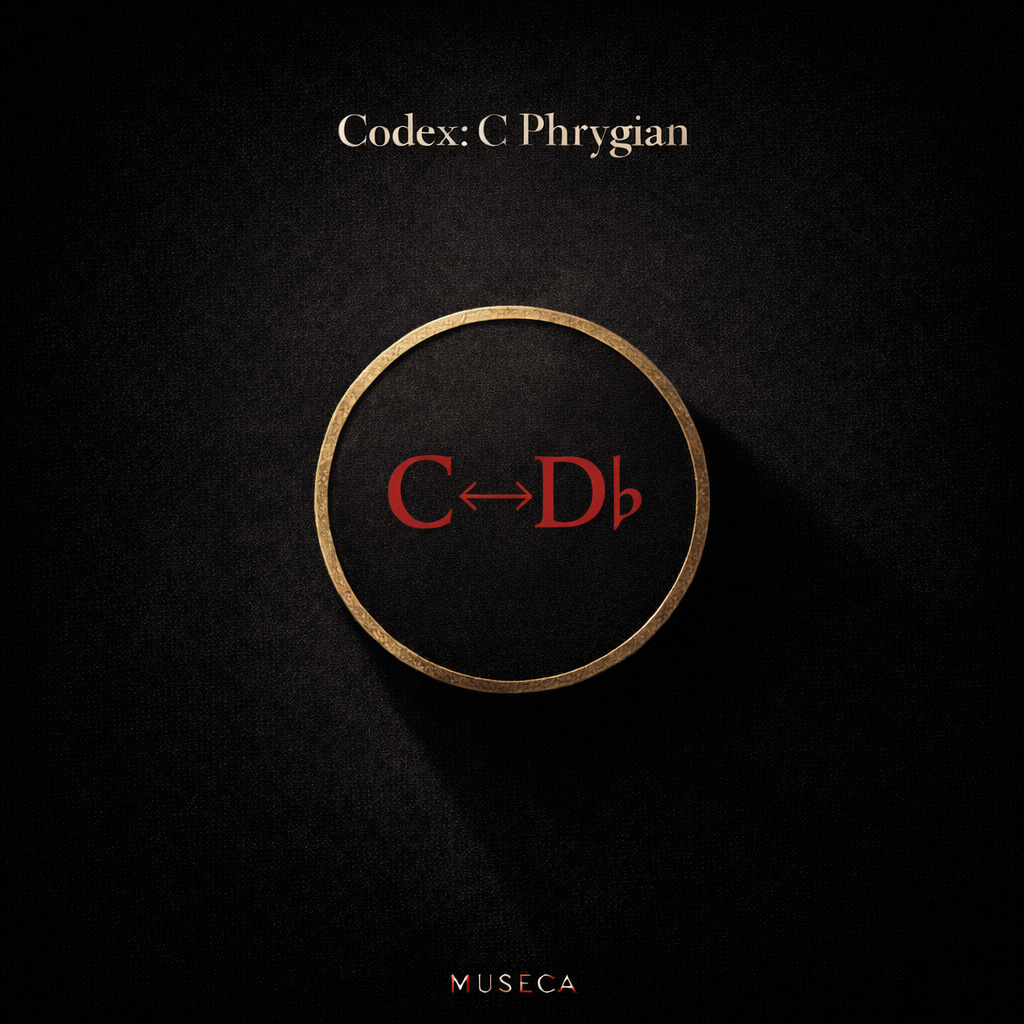
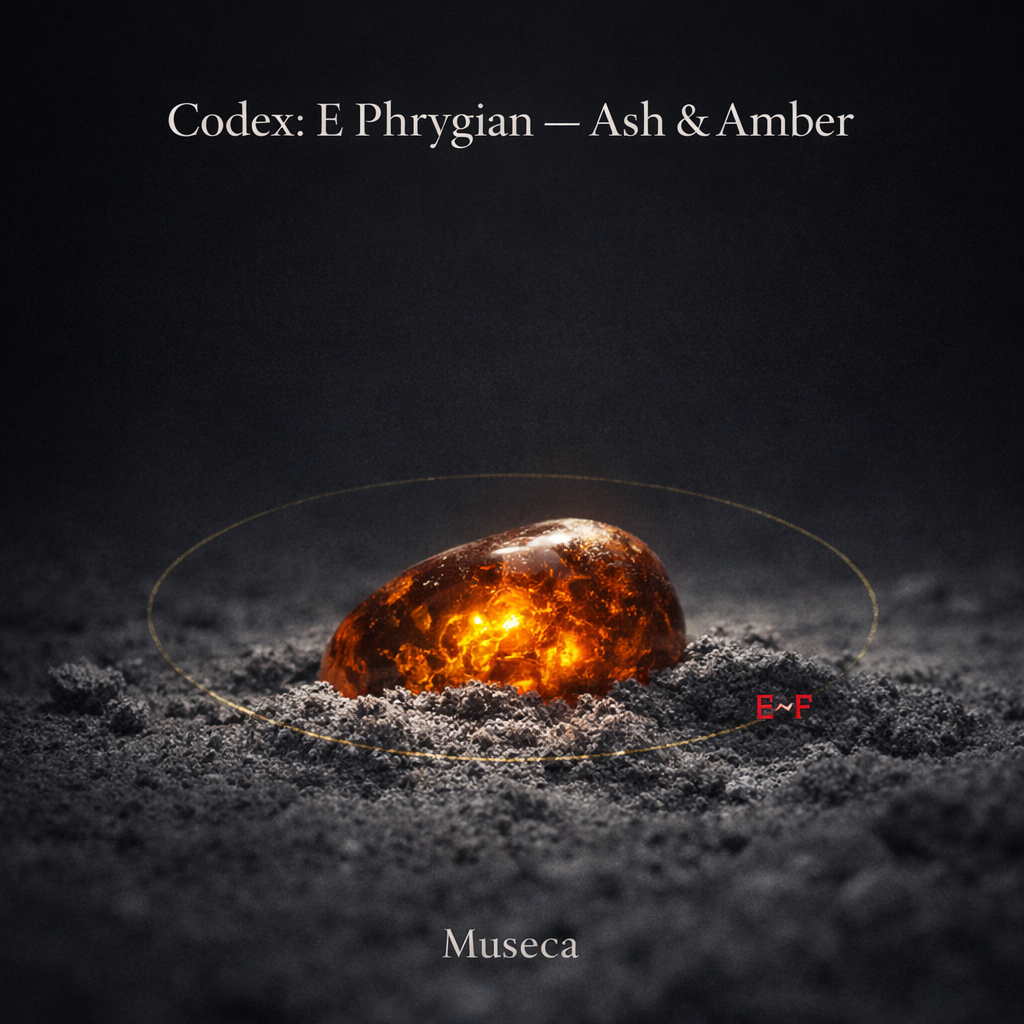
Volume Sets
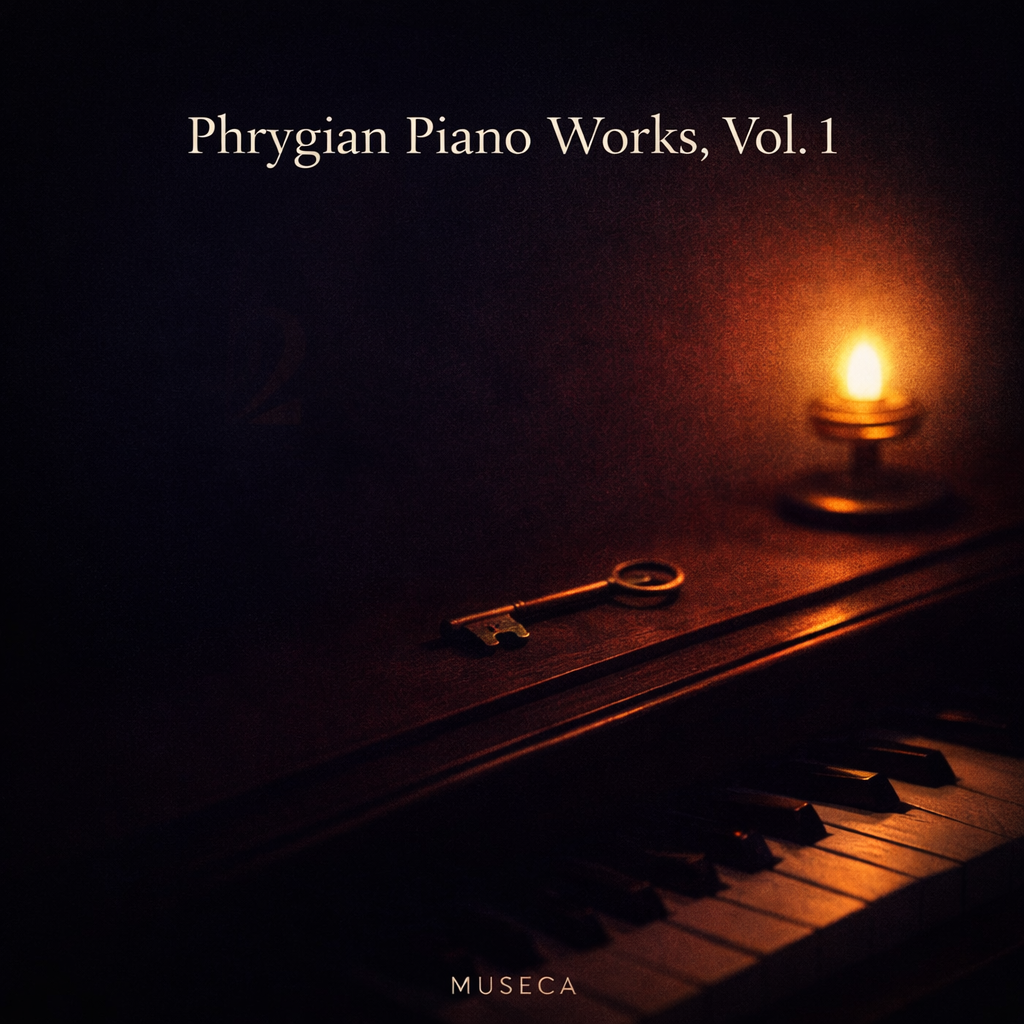
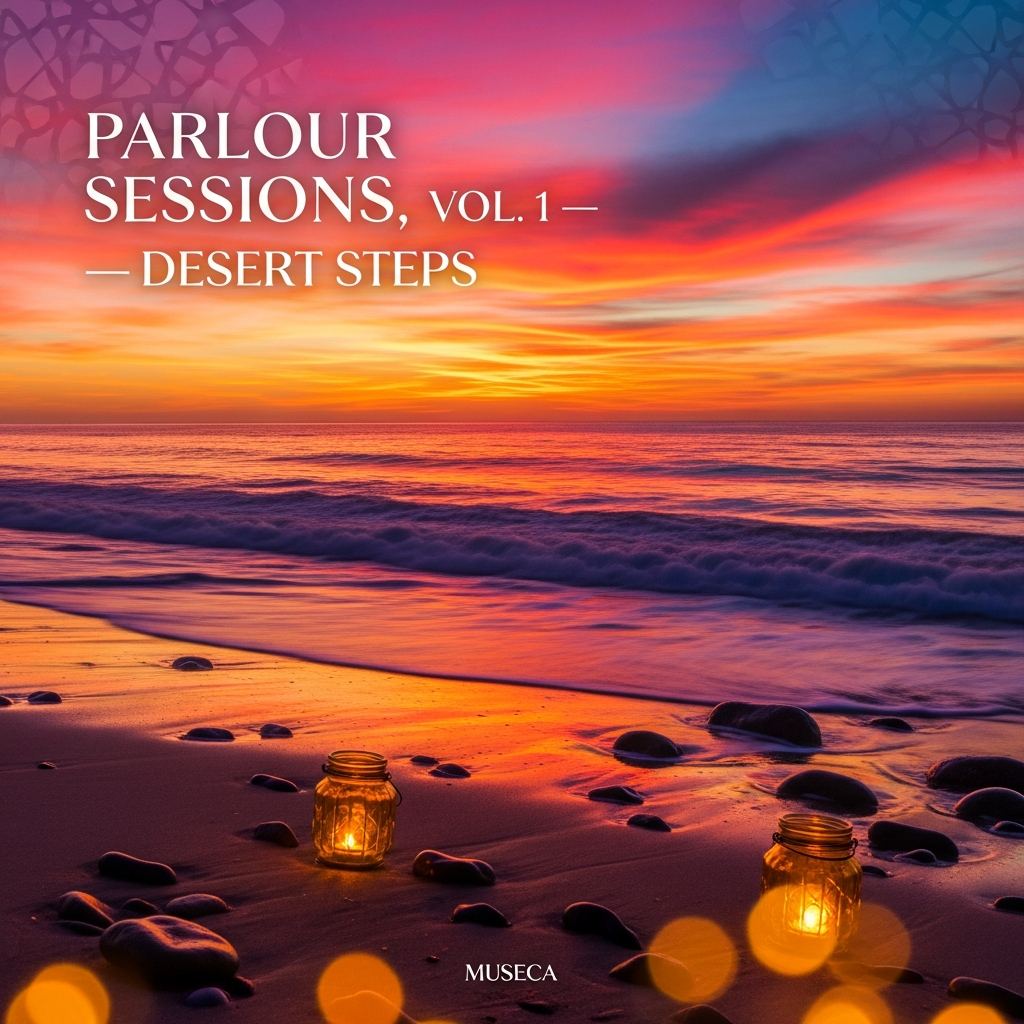
Ongoing series, each entry a different instrumental or stylistic frame within the Phrygian world. New volumes are added over time.
Ritual & Ceremonial Works
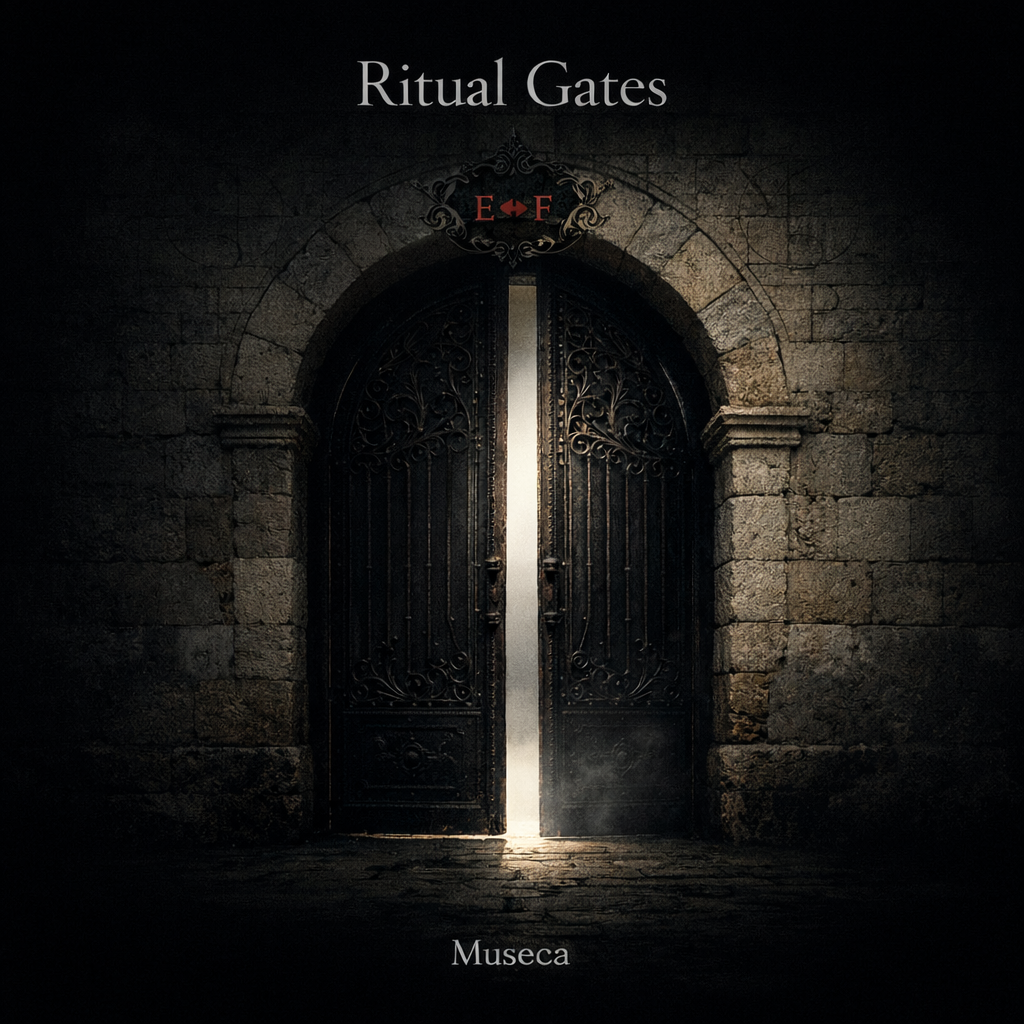
Albums that lean into Phrygian’s devotional and ancient atmospheres — drones, repeating figures, ceremonial pacing, and the world-music intersections the mode naturally invites.
What “Phrygian” means—musically
The Phrygian mode is one of the classic modal colors of Western music, but it carries an unmistakable character that many listeners recognize instantly even if they do not know its name. In simple terms, it resembles a minor scale with one crucial alteration: a flattened second degree (often written as ♭2).
That single note-change creates the signature Phrygian sensation:
a tight, immediate tension right near the tonic (home note),
a feeling of ancient or ritual intensity,
and a melodic “pull” that can sound Eastern-tinged, medieval, or flamenco-adjacent, depending on tempo, instrumentation, and harmony.
If you imagine the scale as steps from the home note upward, Phrygian’s identity is the closeness of the first two steps: tonic to ♭2 is a half-step. That small interval is one of the most psychologically potent gestures in music—it can sound like yearning, invocation, secrecy, or sacred seriousness.
The emotional atmosphere
Phrygian is often associated with:
mystery and sensuality (warm, not cold),
devotional intensity (the feeling of a chant, prayer, or ceremony),
historic resonance (as if the melody remembers older centuries),
and earthy dramatic color rather than bright triumph.
In Museca’s hands, this mode becomes a “parlour”: a curated listening chamber where each album explores a different facet of that Phrygian gravity—sometimes soft and hypnotic, sometimes rhythmic and fierce, sometimes orchestral and cinematic.
How these albums use the mode
Across the albums in this category, you will hear recurring Phrygian signatures, such as:
melodic emphasis on ♭2 (the note that creates the spice),
cadences that lean into the half-step tension rather than “resolving it away,”
drones and pedal tones that make the mode feel anchored and ceremonial,
harmonic colors that highlight the Phrygian atmosphere (often minor with carefully chosen chord tones that preserve the ♭2 identity),
and ornamented melodic writing—turns, slides, and vocal-like gestures that make the mode feel human and ancient.
Depending on the album, you may also encounter related colors that brush against Phrygian without abandoning it—such as darker harmonic variants, modal interchange, or rhythmic traditions that naturally complement the mode’s ritual character.
What to listen for
If you want a quick “ear guide” while browsing these albums, listen for:
That close half-step above the tonic—the signature Phrygian bite.
A sense of gravity near the home note, as if the melody circles a flame rather than climbing a mountain.
A feeling of ancient atmosphere created by drones, repeating figures, or ceremonial pacing.
Warm darkness: shadow with color, rather than monochrome gloom.
Phrygian Parlour is not one sound—it is a framework for a particular kind of beauty: intimate, modal, and quietly incandescent. Choose an album below and step into the room.
Related Listening & Reading
If Phrygian’s modal territory speaks to you, you may also find resonance in:
Related Listening
- Locrian Lounge — Museca’s other modal-realm category, exploring the suspended elegance of the Locrian mode.
- World Traditions — for the mode’s natural intersections with flamenco, Sufi, Indian, and other world music heritages.
- Foreign-Language Songs — for songs in Spanish, Italian, and other languages that often live in Phrygian’s emotional territory.
Companion Reading
- The Phrygian Mode — the theoretical foundation behind the works in this category.
- Comprehensive Perspective on Musical Scales — a broader treatment of Phrygian within the full modal landscape.
- Scales of Western Music — on the historical and structural place of Phrygian in the Western tradition.