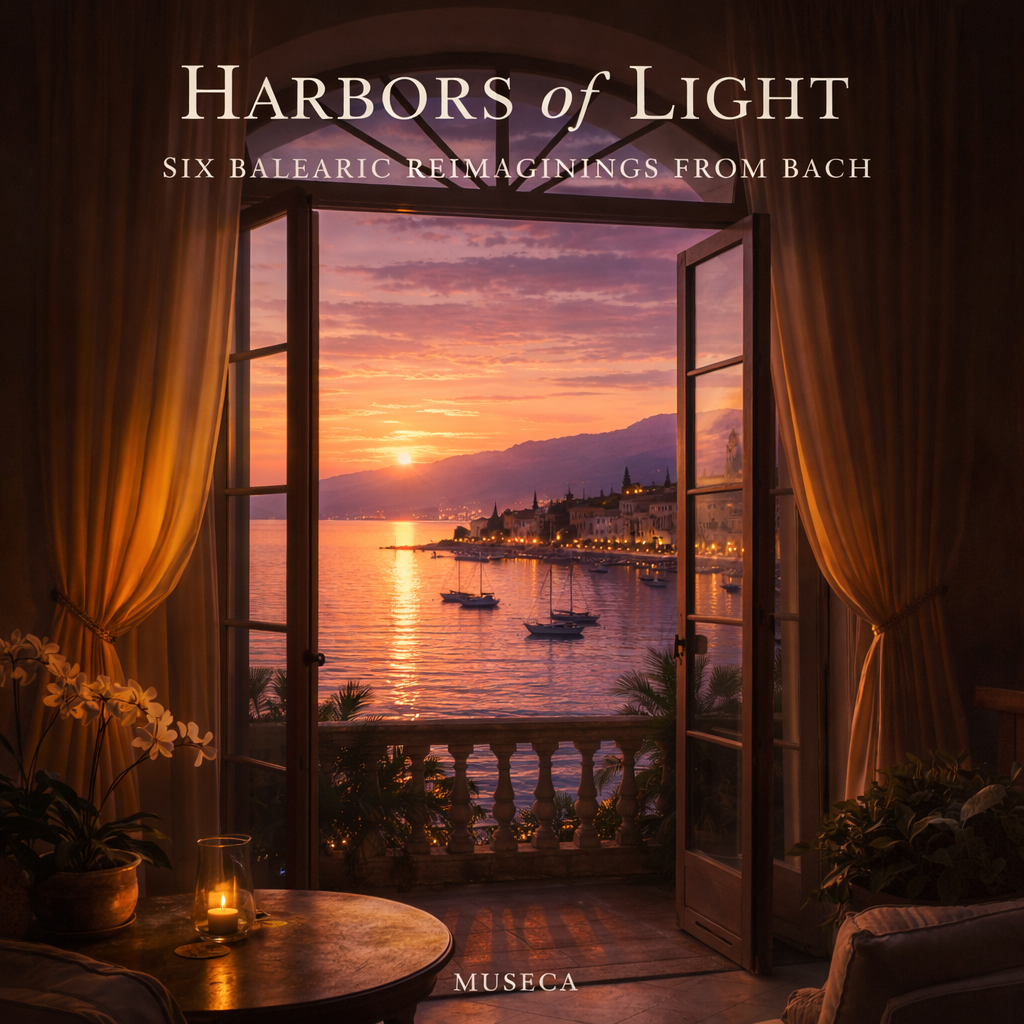
Bach reimagined · Balearic calm · Coastal light
Harbors of Light
Six Balearic interpretations draw on themes from Bach’s Brandenburg Concertos, placing historical melodic material amid warm bass, gentle percussion, and coastal air.

Museca · Curated Listening Collection No. 18
Shores, crossings, and belonging
An island offers two experiences at once: the intimacy of a place we can know and the vastness of a horizon we cannot reach. This twenty-four-recording journey begins with a solitary breath and follows imagined coastlines through cinematic seascapes, reggae-rooted songs, Japanese and Mediterranean atmospheres, modern rhythmic encounters, and the quiet pull of tides. The final movement returns to the idea of home, not as a limit, but as a place from which the wider world may be heard.
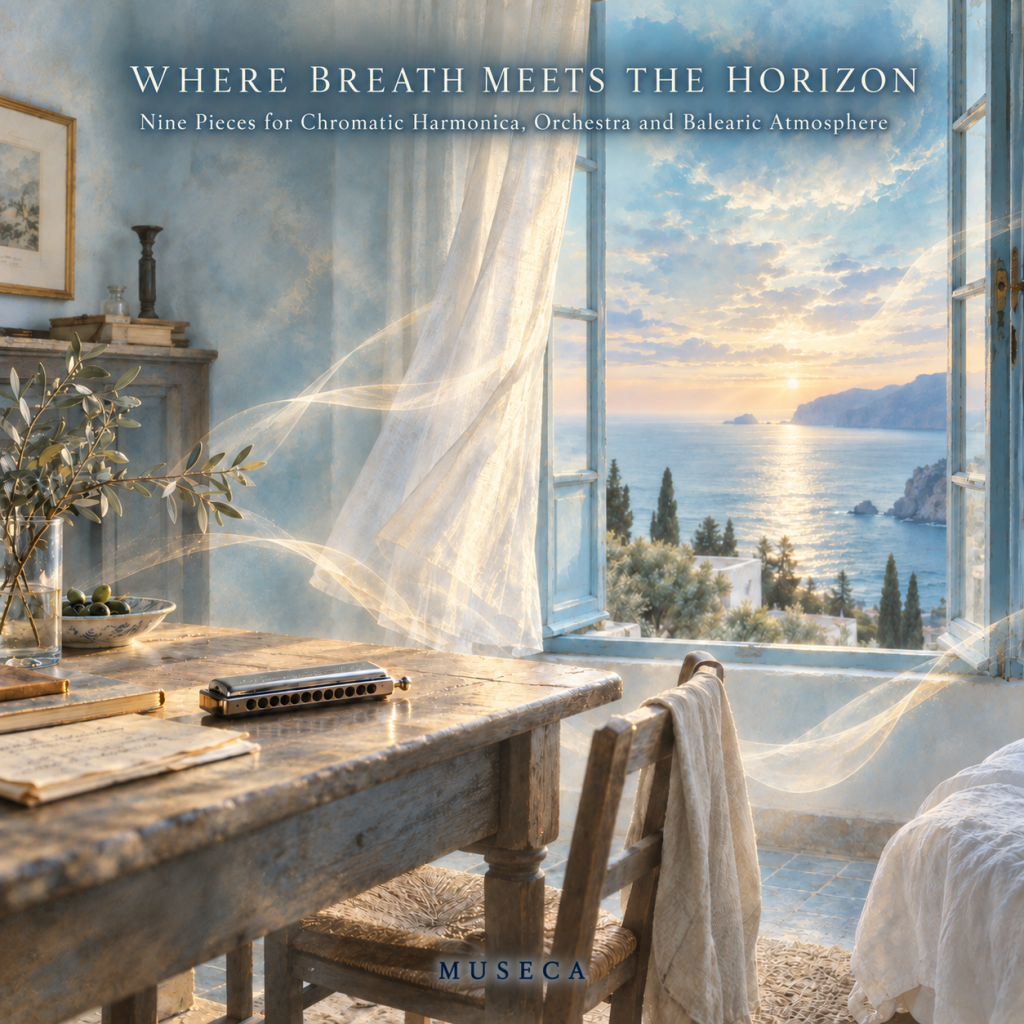
The horizon invites us outward. The island reminds us where listening begins.
A musical portrait of place and possibility
This is a curated musical essay, not a geographic itinerary or a survey claiming to represent all island cultures. The shoreline is an imaginative frame; the different traditions represented here, among them Jamaican reggae and East Asian musical ideas, retain their distinct histories. Some recordings are new compositions; others, including Harbors of Light, reimagine historical musical material.
The physical horizon is suggested through wide register, airy instrumental textures, and melodic lines that seem to look across the water. The cultural horizon emerges when music composed in different languages and rhythmic traditions is heard in thoughtful succession. The inward horizon appears when memory, belonging, and the passage of time become the subject of a song.
Try listening to all four recordings in a movement without interruption, then compare the musical roles of voice, percussion, timbre, and silence. The questions below are invitations to hear more closely, not instructions to attach any single meaning to a particular sound.
The complete curated listening experience
Twenty-four selected recordings, arranged as a six-part musical journey from a first breath toward an open horizon.
The Cue player references Museca’s existing media files; no duplicate MP3 recordings have been uploaded. In WordPress editing view the Cue shortcode may appear as text; the player renders in Preview.
Six listening studies · Twenty-four track notes
Every recording is accompanied by a short note, its original album link, and a practical question connecting the music to land, sea, distance, encounter, or belonging.
Movement I · Tracks 01–04
Place · Welcome · Light
An island is first encountered as a place of light and relationships, not merely a scenic image. A solitary harmonica line and luminous seaside instrumental writing give the opening its sense of place, moving from individual reflection to wider coastal space.
Compare the intimate harmonica melody with the Baroque-derived coastal instrumentals. Which sounds suggest an inhabited place, and which suggest the surrounding landscape?
The first breath begins a journey toward open water. The harmonica’s human-scale lyricism provides a quiet point of departure.
A Brandenburg-inspired theme meets a softened Balearic environment. Its bright outdoor musical character becomes an image of morning light along an imagined shore.
Air and water meet in a Balearic miniature, suggesting movement and the changing boundary between coast and sky.
The opening movement settles at the water’s edge. Notice how a familiar Baroque-derived musical gesture is reshaped by suspended texture and quieter coastal pulse.
Movement II · Tracks 05–08
Shoreline · Solitude · Motion beneath stillness
The island becomes a threshold. A quiet cinematic shore gives way to open-water harmonica, the cello’s hidden current, and an extended ambient drift. Each track suggests a different relationship between the nearby land and the horizon beyond it.
Follow the role of musical space: restrained orchestra, breath-shaped melody, low rhythmic pulse, and sustained ambient color. When does distance feel inviting, and when does it feel unknowable?
This lyrical orchestral scene imagines an island apart from ordinary life. Listen for spacious phrasing and the way restrained accompaniment can suggest solitude without loneliness.
The harmonica becomes a human-scale traveler against a broad instrumental horizon. Follow each breath-shaped phrase into the larger, open sound around it.
Cello and deep groove reveal movement beneath a seemingly still surface. Attend to the relationship between long melodic lines and the rhythmic figures below.
An oceanic ambient passage loosens the sense of destination. Notice what happens when sustained color and slow transformation replace a firmly marked route.
Movement III · Tracks 09–12
Hospitality · Cooperation · Rhythmic exchange
The journey turns toward people. A sequence of reggae-influenced songs brings Caribbean-rooted rhythmic ideas of sunlight, solidarity, community, and identity into focus. The contrast honors distinctions rather than collapsing cultures into a single style.
Listen to how instruments and groups interact: shared voices, rhythmic gestures, offbeat guitar or keyboard accents, and bass. How does each setting express connection differently?
A reggae-rooted song introduces forward momentum and the warmth of collective rhythm, distinct from Hawaiʻi’s own musical traditions.
Rhythmic roots become a metaphor for cultural identity and togetherness as the journey crosses musical traditions.
A reggae-rooted love song offers an entirely different use of island imagery. Its rhythmic and cultural background is Jamaican-influenced, not a representation of traditional Hawaiian music.
The reggae skank adds an offbeat conversation between harmony and pulse. Compare this distinct groove language with the gentler storytelling textures of the two preceding songs.
Movement IV · Tracks 13–16
Japan · Mediterranean · Cinematic confluence · Modern fusion
The horizon opens into other coasts and musical imaginations. A Japanese sunset, a Mediterranean devotional song, cinematic writing using Japanese-associated instrumental colors, and an electronic Pacific Rim rhythm study form a conversation among separate creative worlds.
Compare the role of timbre and groove. In which tracks does the imagined place come from a voice or instrument, and in which does modern production reshape the atmosphere?
The setting moves to a Japanese-language image of evening by the sea. Listen for a new sense of cultural and emotional distance within the ambient soundscape.
The same idea of sea and sky enters a Balearic-influenced arrangement. Warm bass and gentle dance pulse turn the horizon into a place of inward reflection.
Japanese-associated timbres and Western orchestral writing meet in a cinematic resolution. Hear the relationship between plucked resonance, breath, strings, and open space.
The movement closes with a deliberately modern fusion of East Asian rhythmic ideas and Afro-house production. Follow the pulse and contrasting percussion gestures rather than hearing it as one historical tradition.
Movement V · Tracks 17–20
Withdrawal · Deep currents · Silence · Orientation
The music now moves inward. Tides, cello currents, blue silence, and a distant lighthouse turn the ocean into an image of impermanence, memory, and finding one’s bearings without complete certainty.
Focus on long notes, rhythmic repetition, instrumental register, and absence of sound. How can music convey an open horizon without constant musical motion?
An AfroDivine meditation treats the ebbing tide as a natural pattern of necessary withdrawal. Attend to the steady groove beneath this reflection on change.
The cello’s dark voice and underlying pulse suggest forces that move even when the surface seems motionless. Notice the tension between expressive melody and rhythmic persistence.
The harmonica’s pauses and the open instrumental setting make distance almost audible. Let the spaces between melodic breaths become part of the scene.
A lighthouse suggests orientation across water. Listen for delayed or separated gestures that sound like a message passing through fog and air.
Movement VI · Tracks 21–24
Inner light · Connection · Return without closure
The journey concludes by returning to the value-centered voice of the opening, moving through closeness, arriving at a violet harbor, and finally leaving a harmonica melody facing the horizon. The island is a place; belonging is also a relationship with the wider world.
Recall the first movement as you hear these four tracks. Do the opening harmonica and coastal colors feel different after the crossings and distances you have heard?
A luminous instrumental current turns the listening journey back toward calm, preparing the final sense of belonging.
The reggae-rooted song changes the meaning of distance: intimacy can persist even as tides move. Listen for the steady rhythmic grounding beneath the vocal lyric.
The Balearic reimagining draws the voyage into evening. Hear how softened classical material can suggest arrival without closing every musical question.
A solitary harmonica voice looks back across the open landscape. The ending leaves island and horizon connected: a sense of home that remains open to the world.
Explore the original creative projects
These recordings were selected from ten published Museca projects, each with its own artistic purpose. The collection places them in a new sequence without changing their original source recordings.
Bach reimagined · Balearic calm · Coastal light
Six Balearic interpretations draw on themes from Bach’s Brandenburg Concertos, placing historical melodic material amid warm bass, gentle percussion, and coastal air.
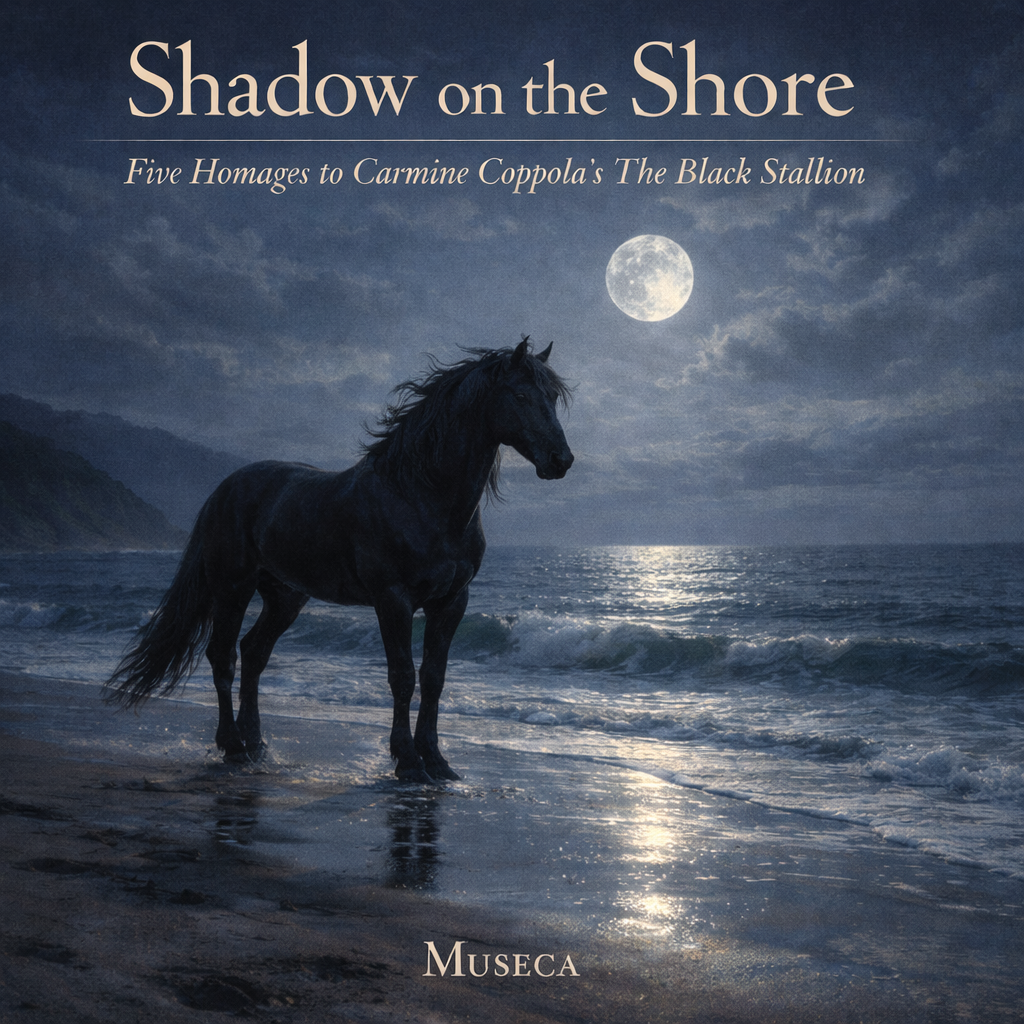
Cinematic island · Solitude · Discovery
A five-part film-score homage evokes the meeting of a boy, a horse, and a remote island through lyrical orchestration and wide, quiet spaces.
Harmonica · Sea · Cinematic distance
The harmonica sings as a solitary human-scale voice among broad orchestral landscapes, balancing movement with long reflective breaths.
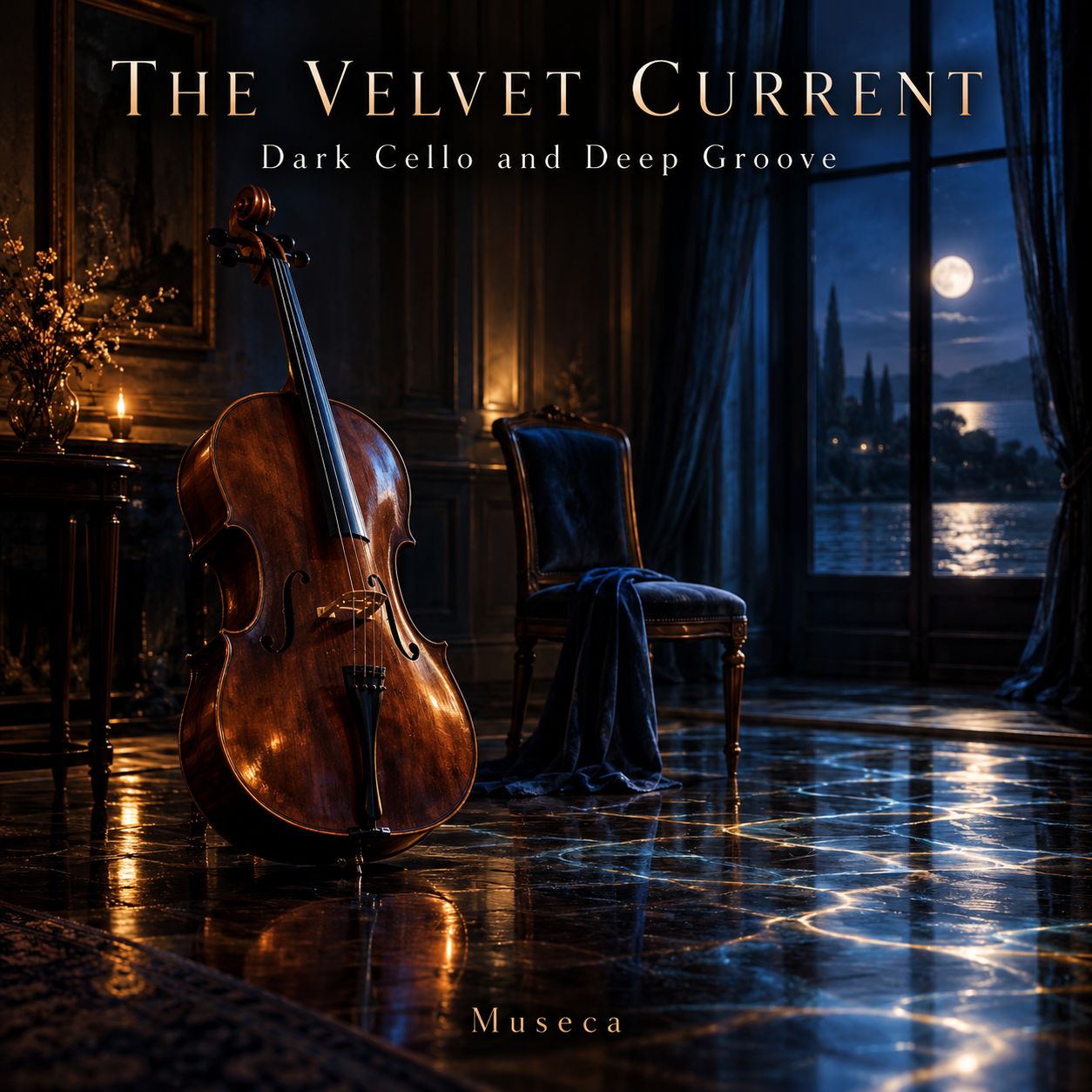
Cello · Subsurface rhythm · Chamber groove
Cello and unconventional chamber partners explore the hidden energy beneath stillness through dark lyricism and a gently insistent rhythmic foundation.

Ambient voyage · Mediterranean · Japanese dusk
A nocturnal ambient journey moves through oceanic textures, coastal sunsets, faraway cities, and the echo of a lighthouse.

Reggae · Soul · Cultural dialogue
Reggae-rooted original songs enter dialogue with soul, funk, and other global grooves. Their Jamaican musical lineage remains distinct from Hawaiʻi’s traditions.
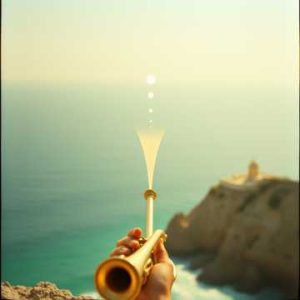
Mediterranean imagination · Balearic production
One devotional lyric is transformed through eight different interpretations; the selected Café del Mar setting evokes a warm coastline at night.
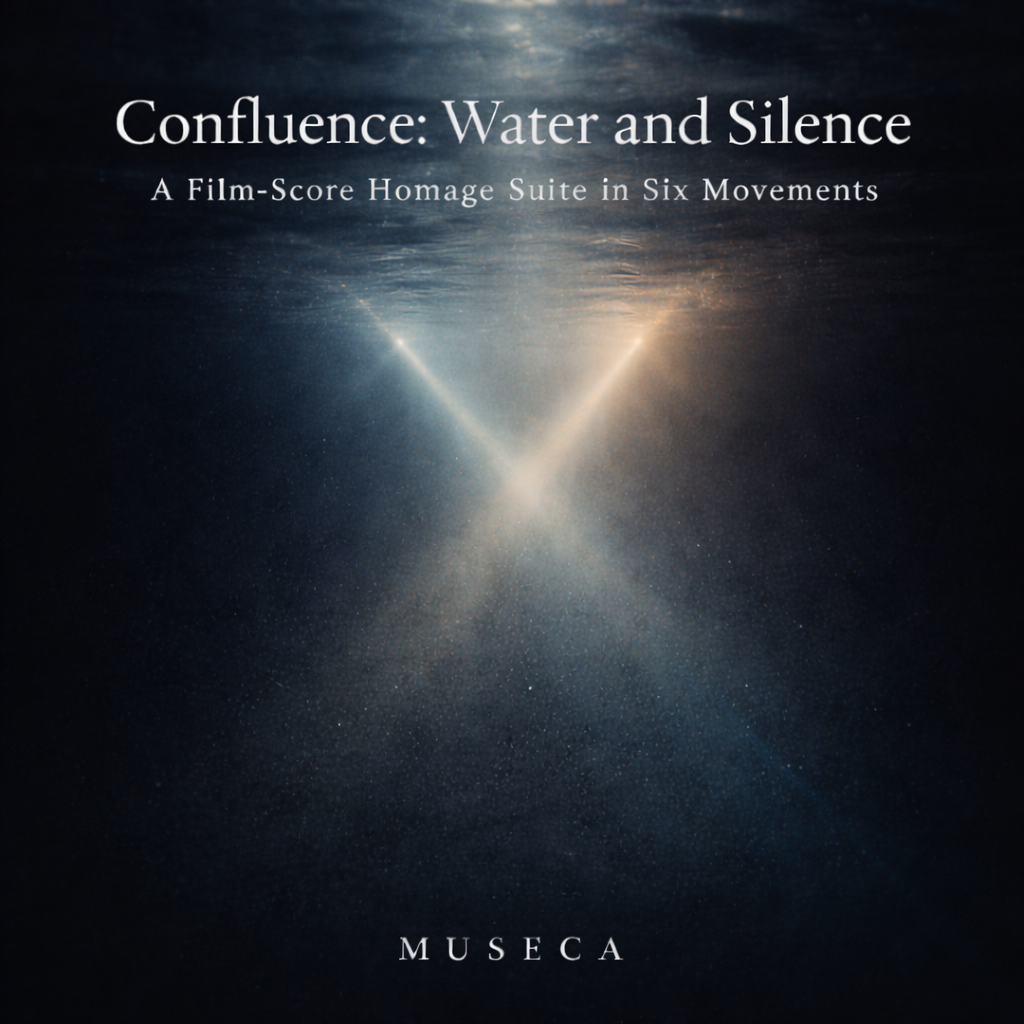
Japanese timbres · Cinematic orchestration
An original film-score homage uses orchestral continuity, koto colors, bamboo-flute-like breath, and deliberate silence to suggest passage and resolution.
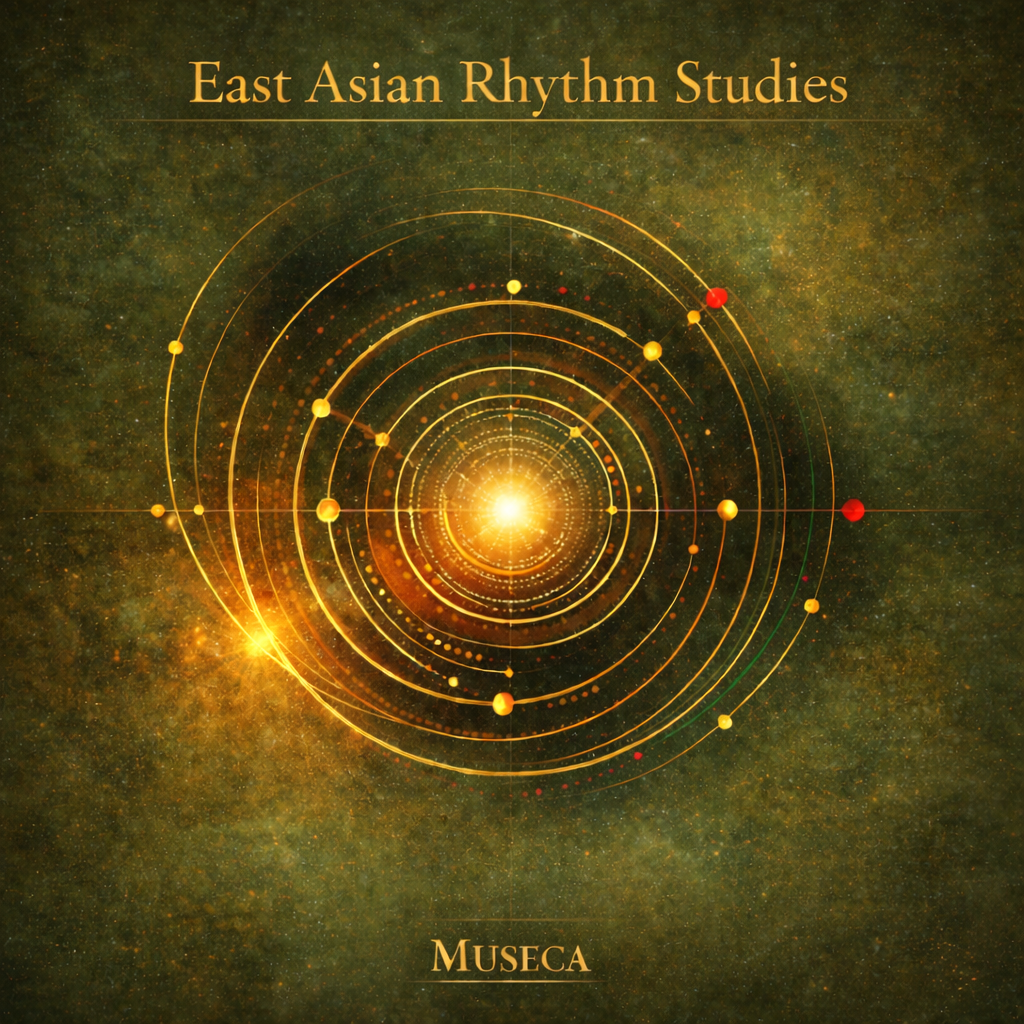
East Asian rhythm studies · Contemporary dance
Studies of Japanese, Korean, and Chinese rhythmic ideas culminate in a contemporary Pacific Rim House hybrid—a composed encounter, not a traditional regional dance.
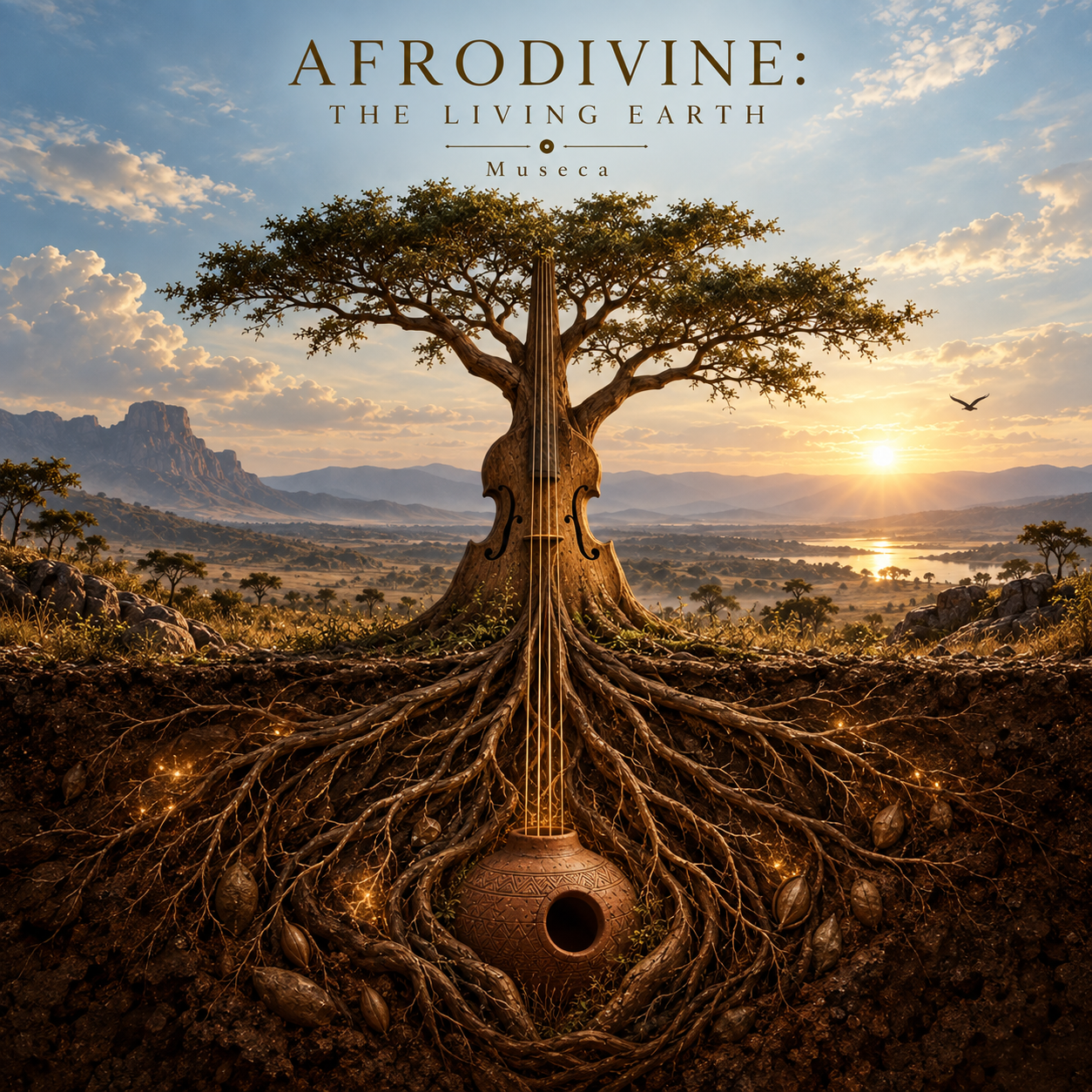
AfroDivine · Tides · Change and return
Earth, wind, rain, migration, and tides become observations about changing life in a rhythmic, spiritually reflective song cycle.
Companion viewing · Hawaiʻi as observed nature
For a complementary, place-specific experience, this separate Museca project begins with footage recorded in Hawaiʻi rather than an imagined sonic landscape.
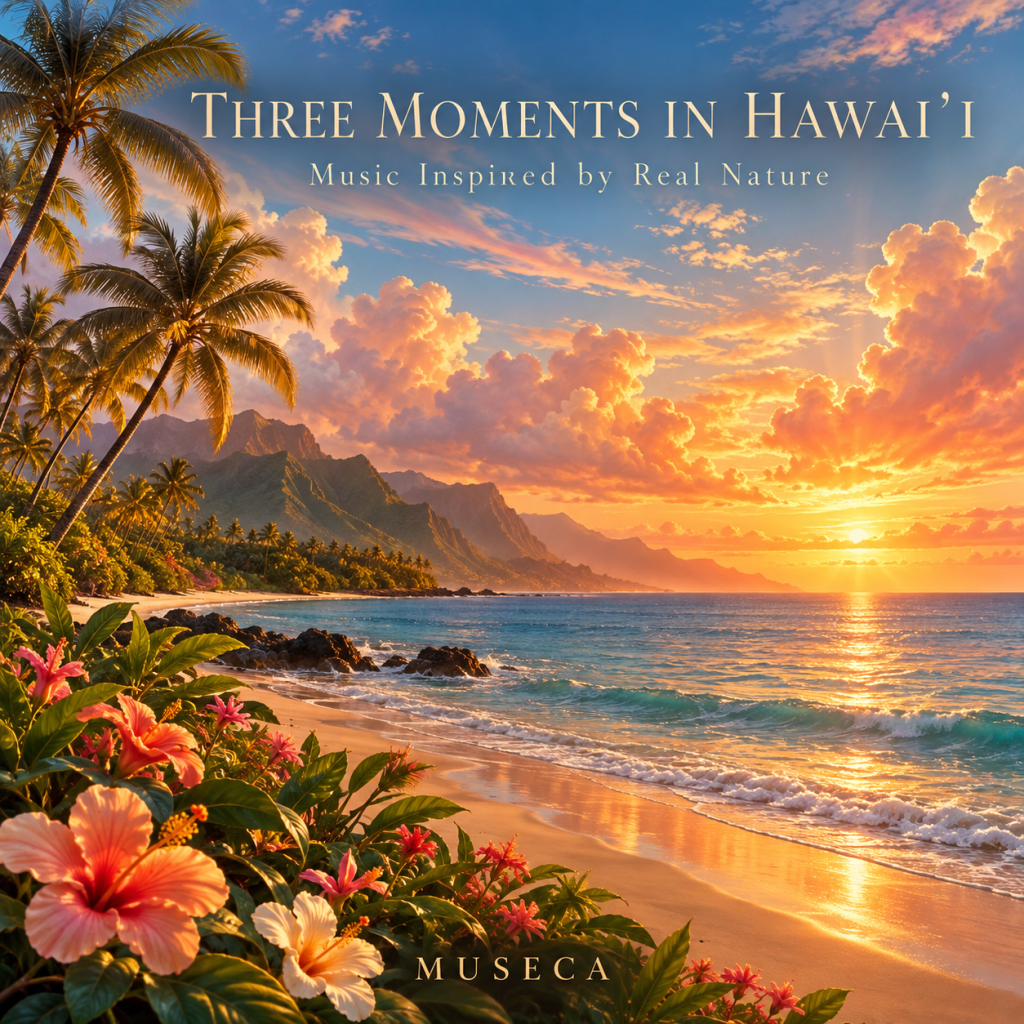
Three short nature films with original music
Moonlight above the palms, trade winds passing through trees, and a changing sunset: three works composed after real natural scenes were filmed in Hawaiʻi. This is companion viewing, not an additional audio track in the 24-selection Cue playlist.
Companion reading · Museca Music Library
The Library provides further ways to explore the relationships between orchestration, instrumental character, groove, and the color of an imagined musical landscape.
Companion reading
Explore instrumental roles and cross-cultural ensemble combinations, from ʻukulele and Japanese instruments to harmonica, cello, and cinematic orchestration.
Explore the bookCompanion reading
Consider how harmony, register, timbre, and instrumental texture create light, oceanic space, twilight, and a sense of distance.
Explore the bookCompanion reading
Compare gentle Balearic pulse, reggae skank, AfroDivine groove, and East Asian-inspired rhythm within their distinct musical settings.
Explore the book