The Missing Measure
Behind the Scene
A missing measure makes incompleteness the premise of the thriller.

Museca curated collection 28 · Stage, Screen & Story
Music Beyond the Written Page
Ten literary and cinematic worlds. Twenty-four recordings. A listening journey into the music that makes unseen characters, hidden motives, recurring memories, and imagined places audible.
A novel supplies the words. A screenplay gives us the scene. Music can reveal what neither can quite say.
Unlike the stage-focused companion collection The Curtain Rises, this final chapter of Stage, Screen & Story explores musical storytelling beyond performed dialogue. Listen for identifying themes, psychological tension, shifting orchestral color, musical symbolism, and the way a return can change the meaning of a motif.
The twenty-four selections are drawn from ten existing Museca works and resequenced by dramatic purpose, not album chronology. The Behind the Scene notes are editorial listening guides informed by the published story descriptions and track names. They describe narrative functions and ideas to consider, rather than claiming that individual audio passages have been independently analyzed.
Movement I · Establishing a world
A score can establish space, atmosphere and narrative premise before characters speak. These four beginnings show how the first musical image creates expectations.
Behind the Scene
A missing measure makes incompleteness the premise of the thriller.
Behind the Scene
An intimate chamber song evokes the private lives behind music history, establishing how a simple object can become a dramatic symbol.
Behind the Scene
The pastoral setting is introduced with a storm already promised in the title.
Behind the Scene
A room number becomes the setting and a psychological symbol.
Movement II · Leitmotif and musical identity
A musical idea can stand in for a character, memory or relationship. Notice how the album’s narrative assigns particular gestures and timbres to people.
Behind the Scene
The music box provides a recurring object of memory in the story’s musical design.
Behind the Scene
The naming of a character theme frames Elly as a recognizable musical presence.
Behind the Scene
The Archivist’s title identifies a figure whose presence can be represented musically.
Behind the Scene
Max’s imagined galaxy becomes a way to hear the unseen child’s inner life.
Movement III · Psychological scoring
Psychological music can make a room, a belief or a decision feel as dramatic as a chase scene. The inner landscape becomes the apparent setting.
Behind the Scene
The whispering walls present inherited expectations as enclosing psychological space.
Behind the Scene
A mirror transforms self-image and public persona into dramatic conflict.
Behind the Scene
The first compromise marks a moral turn without requiring a literal image of danger.
Behind the Scene
A sterile white room turns an abstract system of judgment into an unsettling place.
Movement IV · Symbols and transformation
Recurring images alter their significance as the listener moves between stories. An object, a thread or a silence can be as narratively important as a spoken confession.
Behind the Scene
The thread implies persistence through the many emotional colors of the same soul.
Behind the Scene
A pool becomes an image of listening rather than exerting control.
Behind the Scene
The dream garden provides a setting where memory and imagination can overlap.
Behind the Scene
The unborn room represents absence as an emotionally consequential presence.
Movement V · Rupture and moral consequence
In a dramatic score, transformation may be heard as a break in the expected pattern. The response to that break can carry the story’s most important ethical idea.
Behind the Scene
A title announcing shattering suggests a decisive shift in perception.
Behind the Scene
The failure to listen becomes a dramatic consequence in the friendship story.
Behind the Scene
The language of no condemnation redirects the psychological conflict toward compassion.
Behind the Scene
A door without a score suggests moving forward without a written guarantee.
Movement VI · Return and illumination
Some scores end not with an explanation but with a musical image. The ending may gather earlier ideas, change their meaning or leave the listener with a resonant question.
Behind the Scene
The first harmonic names a beginning in shared resonance.
Behind the Scene
A notebook left behind makes memory and legacy the final image.
Behind the Scene
The return of white light completes a journey through the prism’s changing colors.
Behind the Scene
The final symphonic title proposes a gathering of the story’s emotional threads.
Twenty-four recordings · One cinematic sequence
Listen to all six movements as a single Cue playlist. Each recording references an existing file in Museca’s media library; no audio duplication is required.
The Cue player requires its associated playlist to be published for the live public page. Both records remain drafts until your approval.
The works behind the sound
Each source album offers its own uninterrupted narrative arc, liner notes and complete audio sequence.
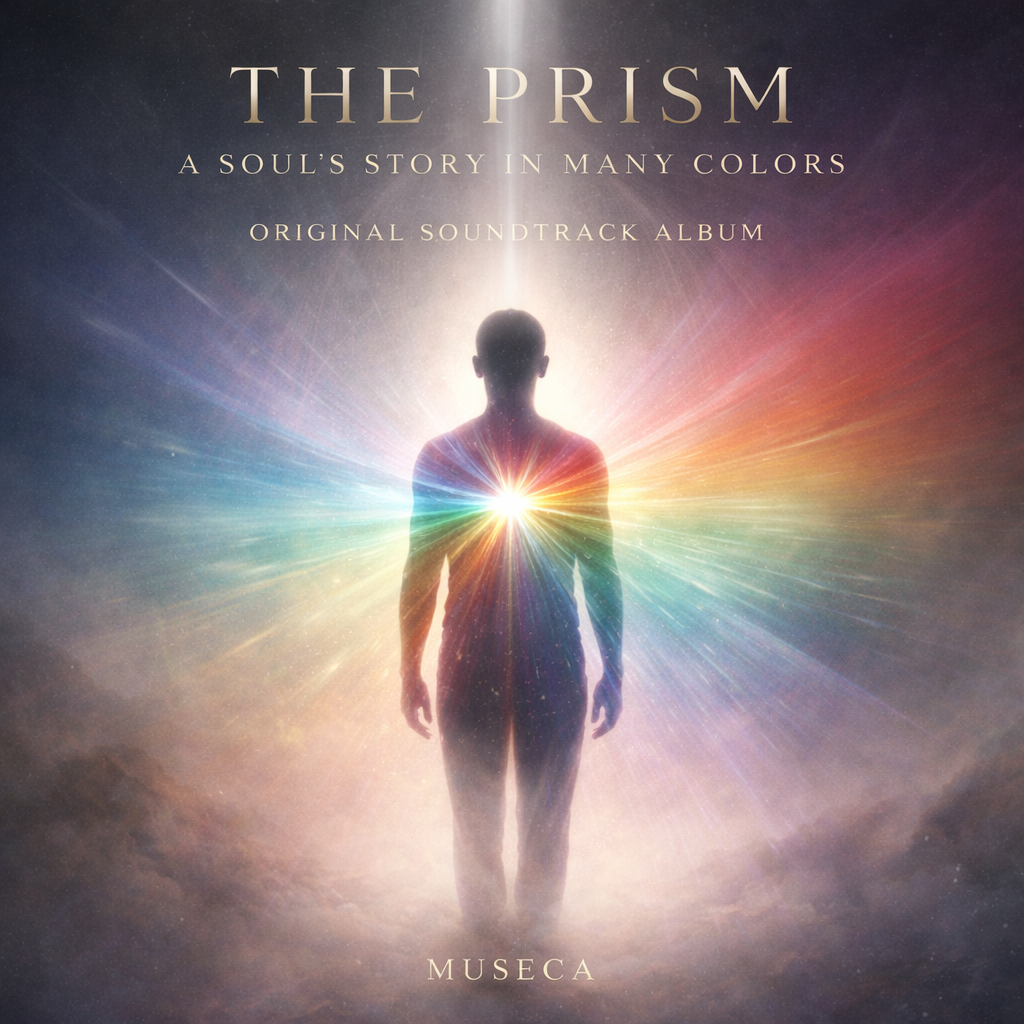 The PrismRefracted lives, color, and the persistence of memory.
 The Way of SuiyaA journey from certainty toward the art of listening.
 Believing is SeeingOne tonal center heard through multiple modal perspectives.
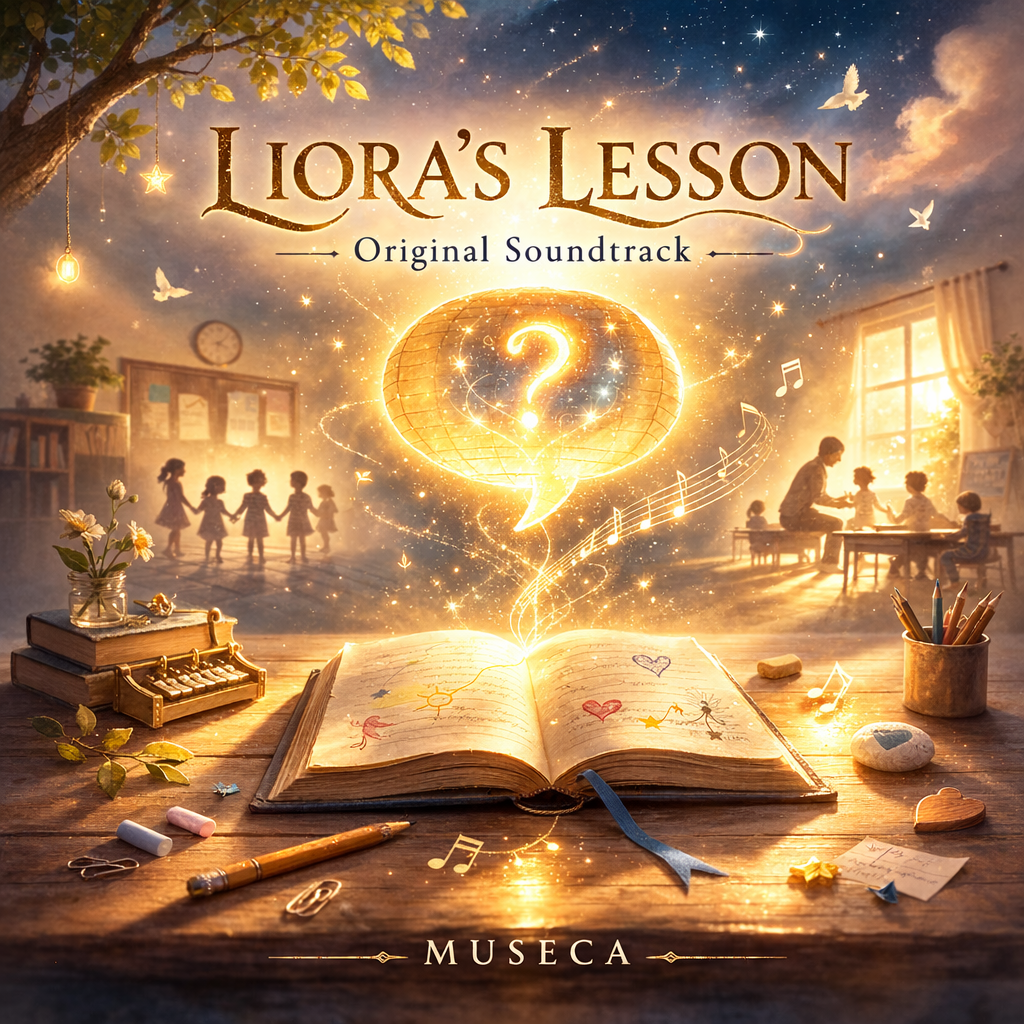 Liora’s LessonA child’s questions expressed with a delicate chamber palette.
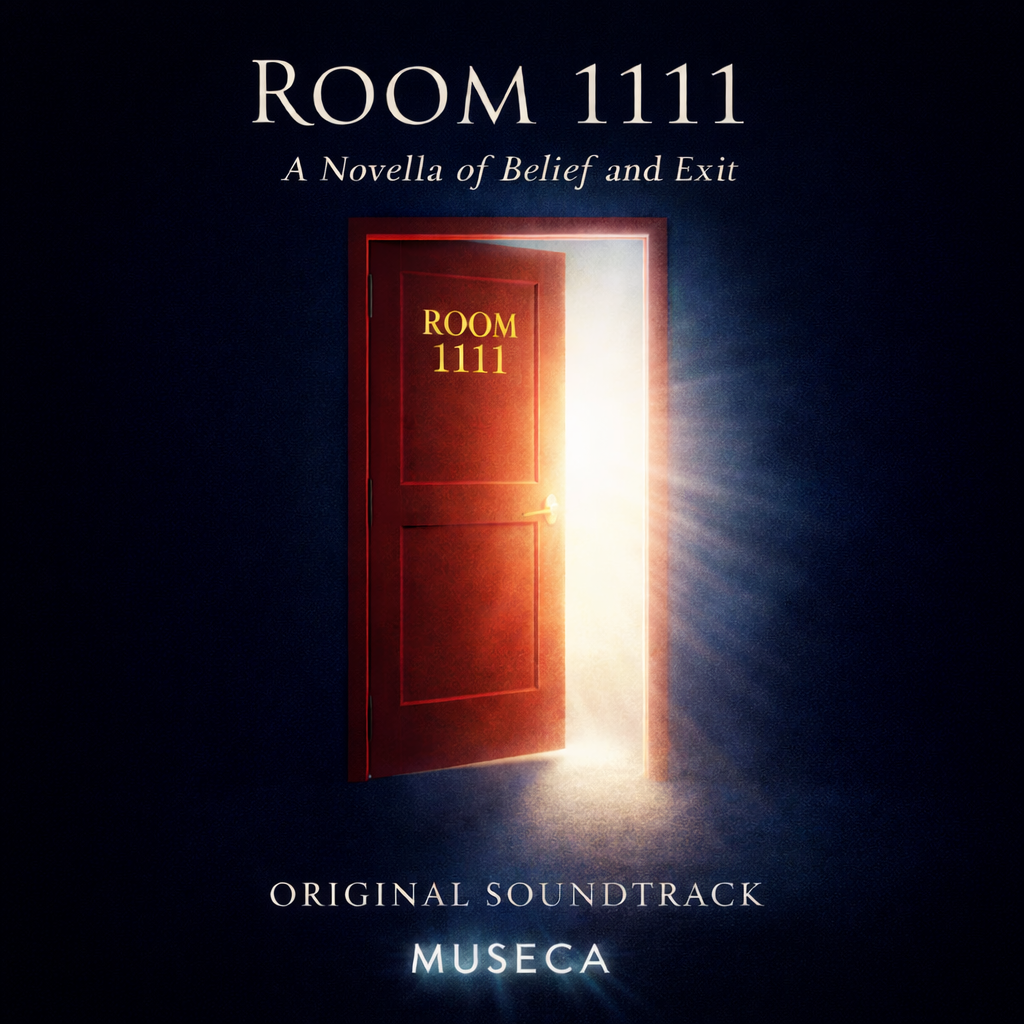 Room 1111A metaphysical room where fear and identity are confronted.
 Elly and the Birdy-BoyChamber-color storytelling about friendship and listening.
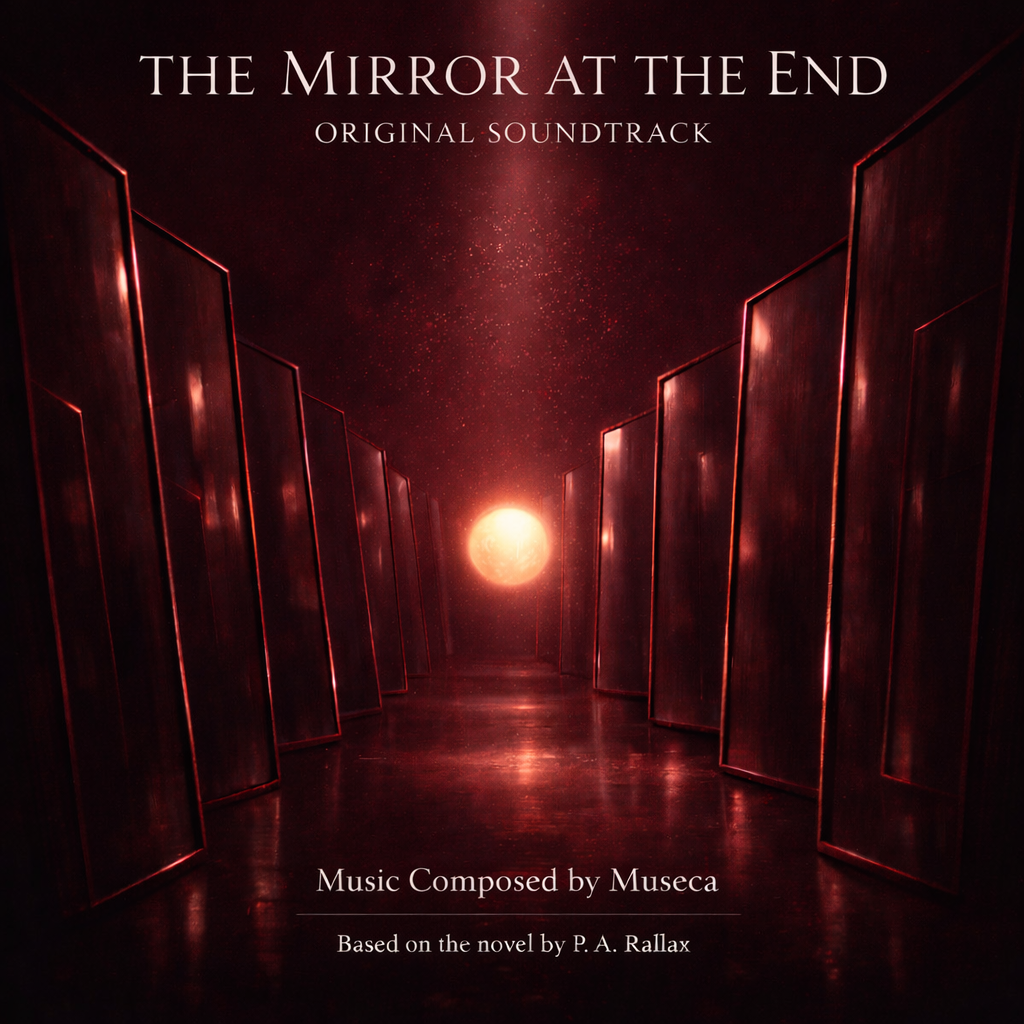 The Mirror at the EndA life review framed through memory, consequence, and empathy.
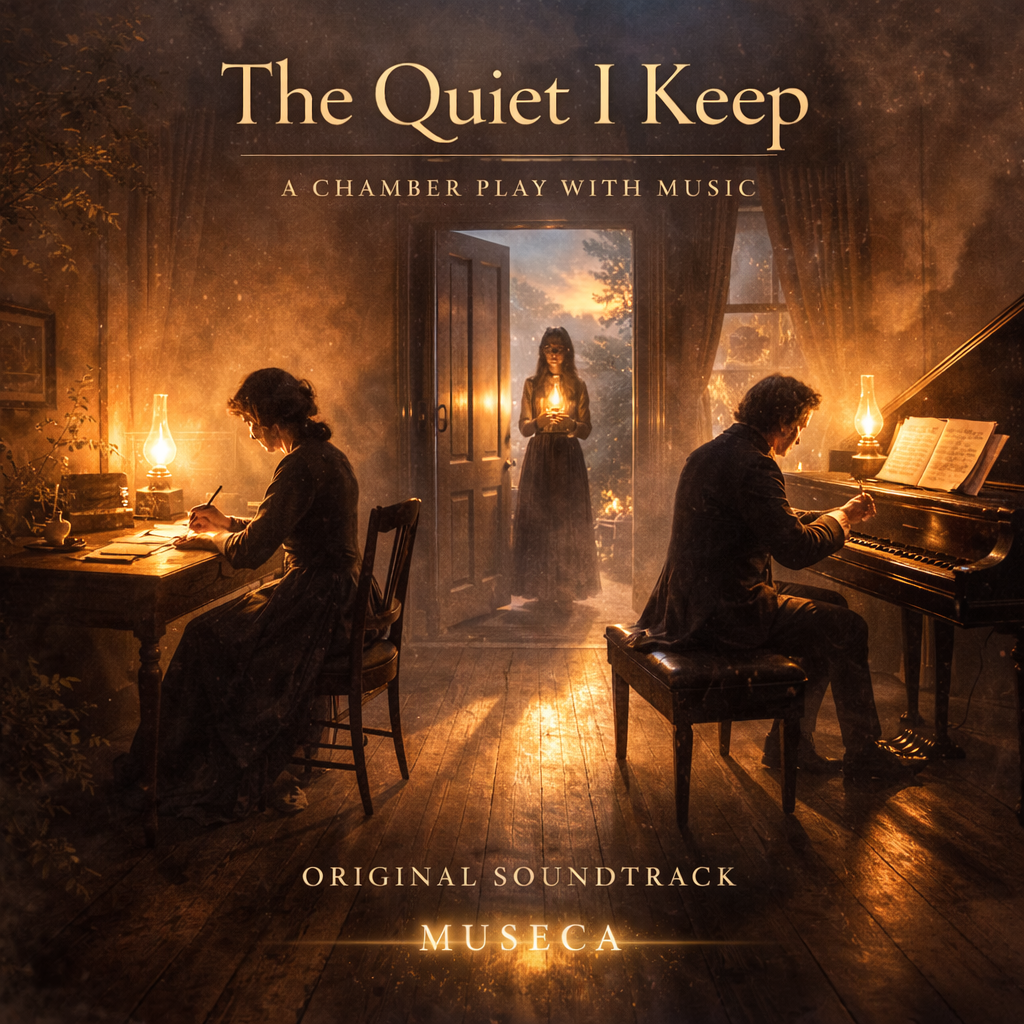 The Quiet I KeepGeorge Sand, Chopin, and the hidden labor behind a musical legacy.My Angel, My MuseA recurring three-note idea connects scenes of memory and loss.
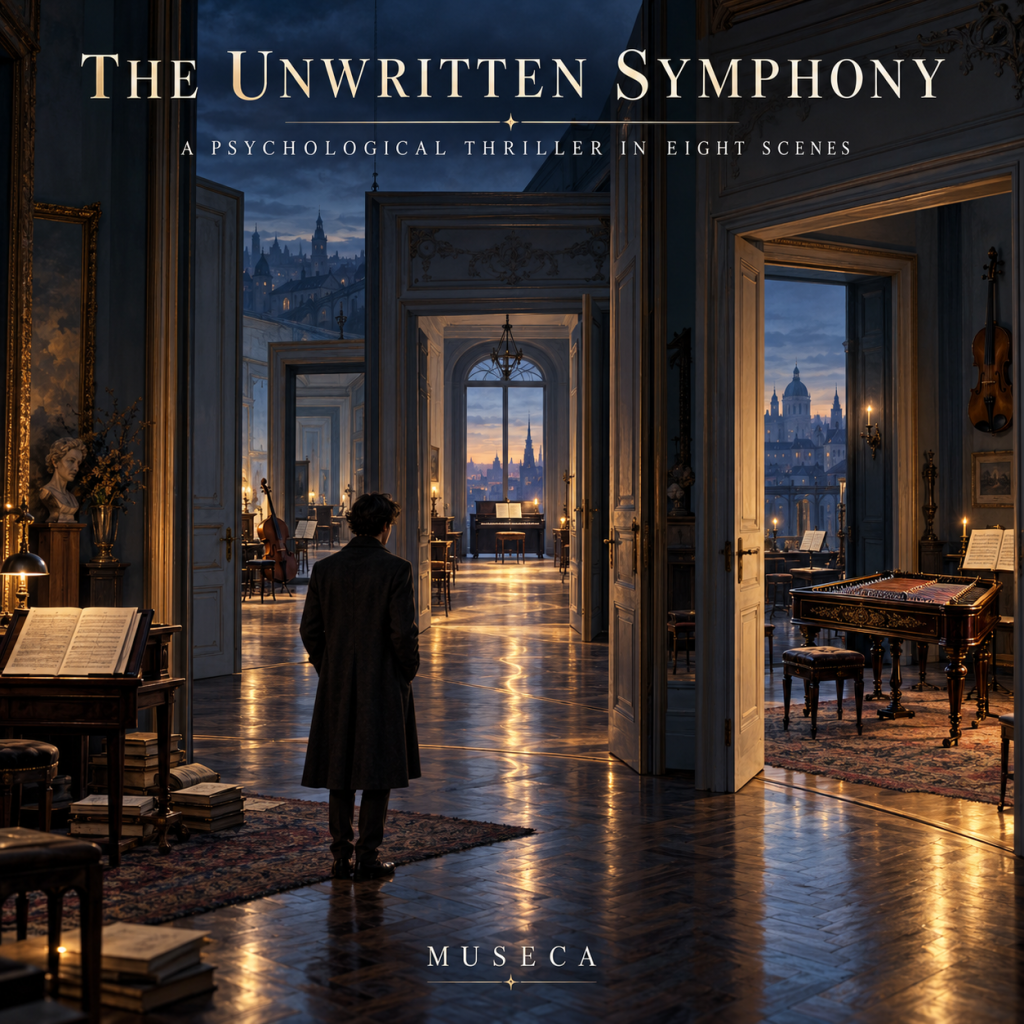 The Unwritten SymphonyAn eight-scene psychological thriller expressed in music.