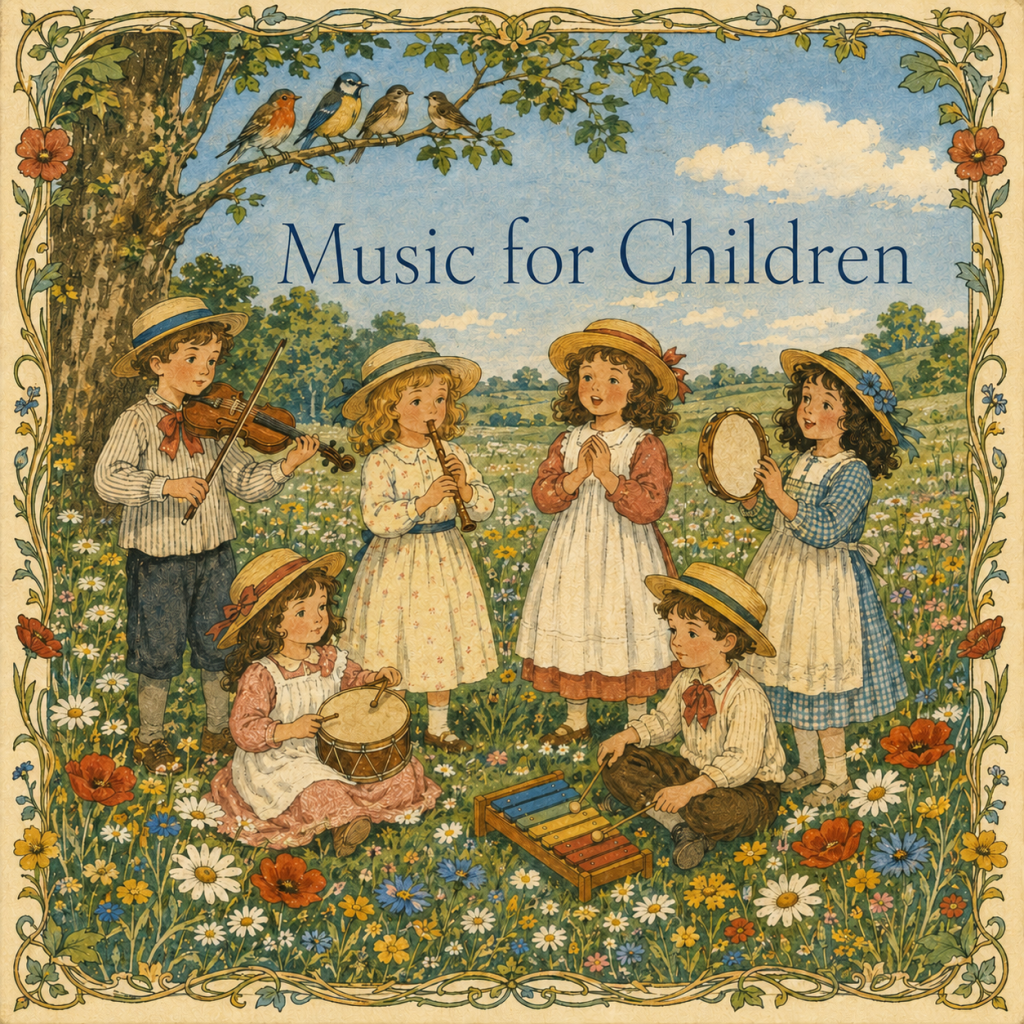
Music for Children holds work written for young listeners without writing down to them — songs made with the same compositional care given to any album in this catalog, and built on the assumption that a child is an attentive listener rather than an empty one. The craft here runs in a different direction than elsewhere on this site: melodies narrow enough for a small untrained voice to sing back after one hearing, structures a child can feel arriving, and rhythms that ask the body to move before the mind catches up. What these albums refuse is instruction — no lesson tucked into the last verse, no emotion telegraphed, no question tidied away. Children notice everything. These songs are written on that understanding.
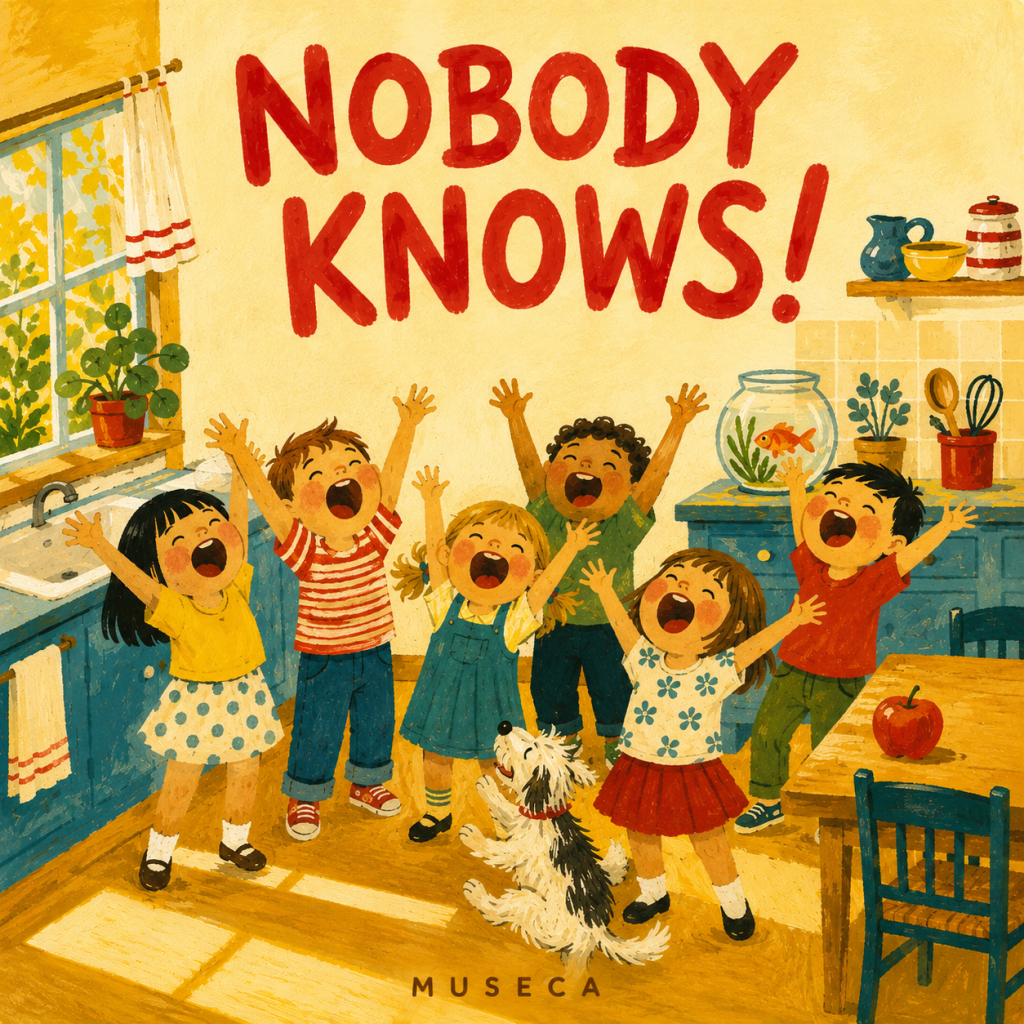
Nine questions a small child actually asks — where the water goes when it spirals down the drain, whether her dog knows he’s a dog, whether a fish is thirsty, where a sneeze comes from, and who decided a dog would be called a dog in the first place. Not one of them is answered. There’s no lesson, no tidy last verse, no grown-up arriving to explain. Every song ends the same way, shouted by a room full of children: nobody knows. Because it’s true — and because when a six-year-old works out that the grown-ups don’t know either, it’s the best news she’s ever heard. Sung by a girl of about six with her friends joining in on every chorus, over acoustic guitar, upright bass, piano, and nothing but hands and feet for a beat. Made to be sung badly, loudly, in the back of a car, for years.
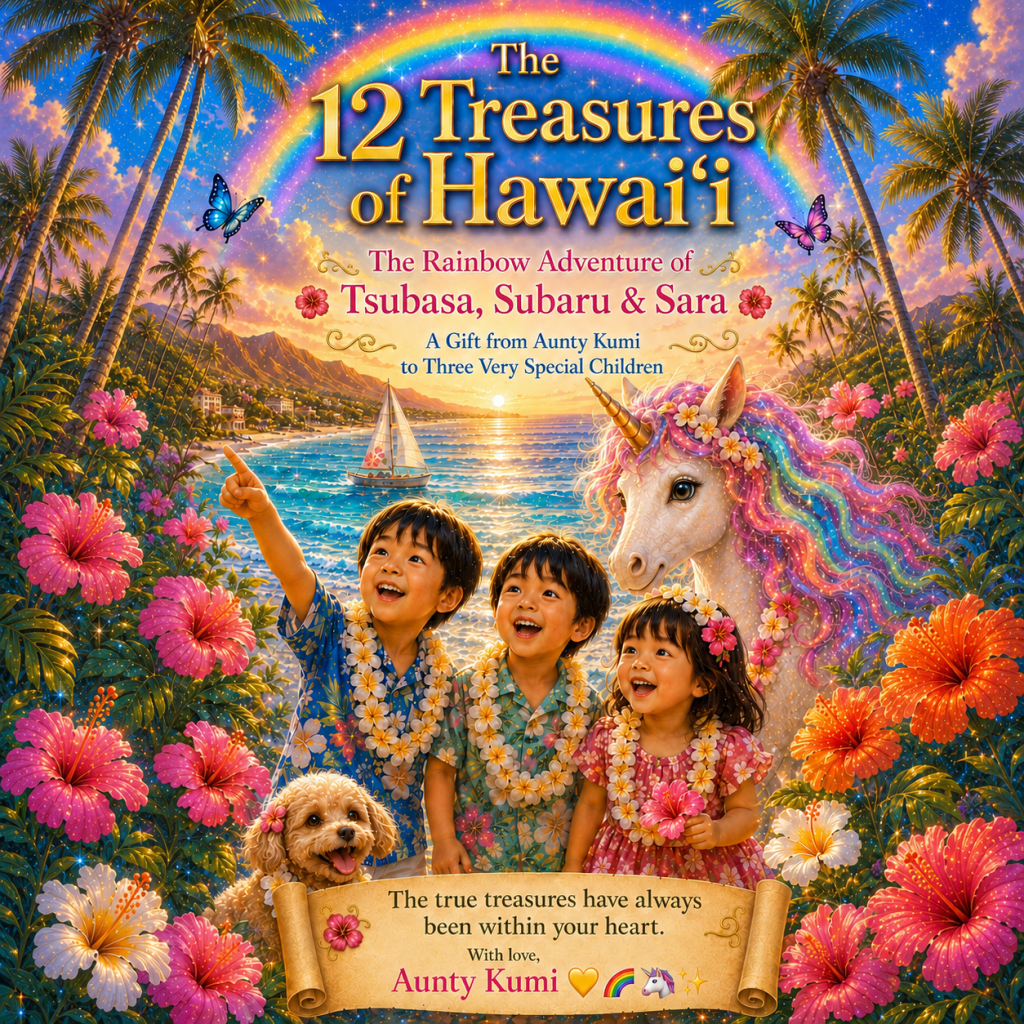
A rainbow opens, and a white unicorn leads three children along a Hawaiian shore in search of twelve treasures — a story that ends where it began: inside the heart. Fourteen bilingual songs for children and grown-ups alike, written to give Kumi Hatanaka’s picture book a singing voice, where the islands of Hawai’i meet the heart of Japan.
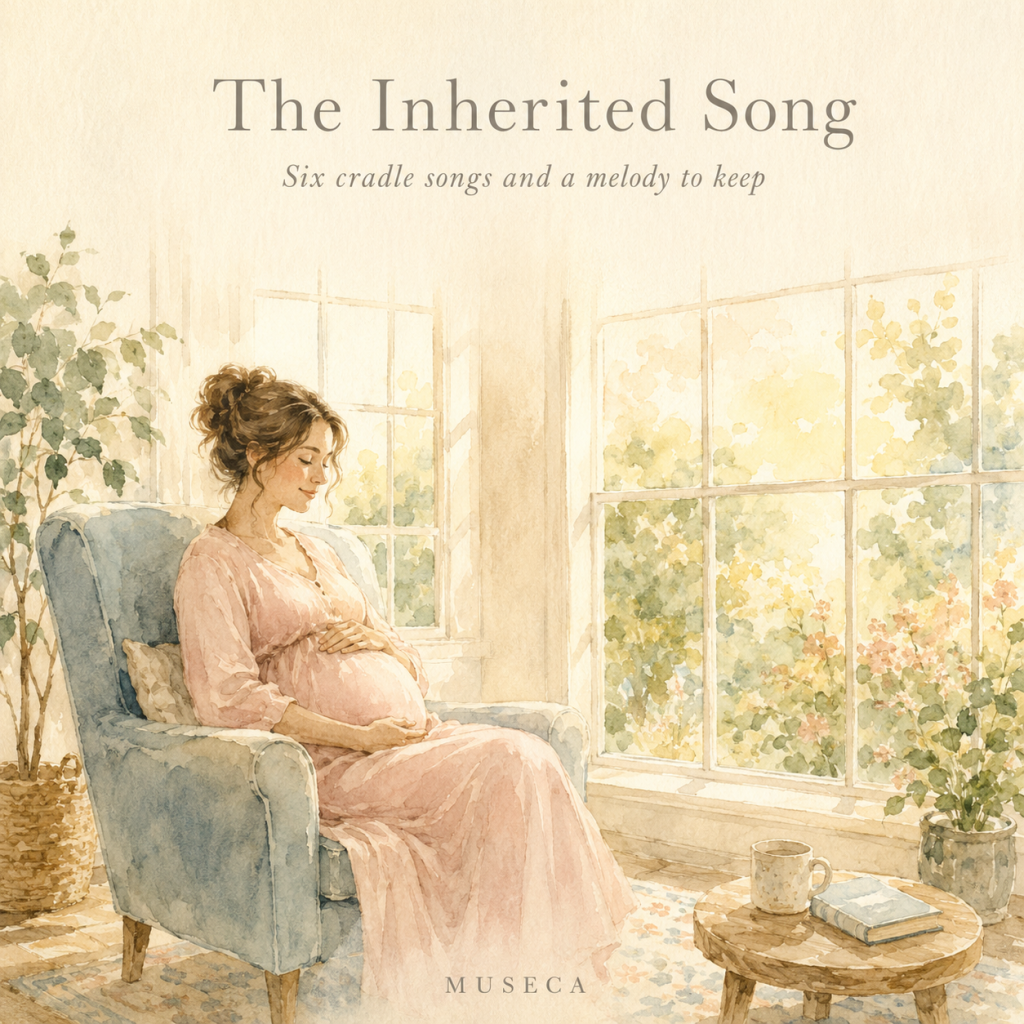
Everyone knows that playing classical music to a baby makes the baby smarter. It turns out that isn’t true. But while I was finding that out, I learned what music really does for someone very small: they remember it, and a familiar song sung badly by someone in the room does more than a beautiful recording ever will. So I wrote six cradle songs — in English, Italian, Japanese, French, Spanish and German — built to be learned and sung by you, and a seventh track that is nothing but the small melody they all share. This record is the teaching copy. Your voice is where it’s meant to end up.